World as Thou

(Characters)
David Evans Frantz
(Dramatic Need)
To bring underrepresented artists and histories into the cultural record.
(Internal Need)
To transform recognition into relationship, encountering artists and their worlds as a Thou rather than an It.
(Introduction)
What happens to the people, places, and images that a culture fails to hold? My counter-archive begins with what I have gathered over thirty years. David Evans Frantz’s curatorial work begins with artists and histories too often left at the edges of the record. Between these practices lies a question: how do we care for what we encounter?
(Character Outline)
David Evans Frantz is a Los Angeles–based curator whose exhibitions and publications have brought greater visibility to LGBTQ artists and histories. His projects include Axis Mundo: Queer Networks in Chicano L.A. and A Queer Arcana: Art, Magic, and Spirit. Martin Buber (1878–1965) was a Jewish philosopher and writer best known for I and Thou. He described I–It and I–Thou as different ways of relating to the world: through observation and use, or through direct encounter. Frantz’s curatorial work and Buber’s thought meet here as questions about attention. Whose work do we bring into view, and how do we meet it once it is there?
What We Have Gathered
At one point my digital counter-archive contained roughly 2.3 million files. The physical work accumulated alongside it, often through revision and layers. Much remained in development, outside the public chronology of exhibitions and sales. I am now condensing this material into a three-act, eleven-episode film. Every selection gives some images a new life while leaving others waiting. The question is larger than where to put everything. What relationships can the film reveal between a painting, a place, and a person who helped make an image possible? What responsibility do I assume when I bring them together?

For thirty years I have gathered paintings, drawings, collages, films, writing, and digital material. Bringing this counter-archive into public view means deciding what to carry forward and how each work might be encountered anew.

Meaning Happens Between Things
I think of a painting as a node. It has a physical surface, but its meanings travel through other images, memories, people, and places. A conversation can return me to a work I made years ago and change what I see in it. Frantz’s curatorial practice pays similar attention to relationships. Artists become visible through their work and through the communities, publications, performances, and friendships in which that work lived. A network can help us find these connections, though a line drawn between two names cannot contain everything that passed between them. It gives us a place to begin looking.

A line changes beside another line. An image changes beside another image. People and places alter one another through contact, too. Abstraction begins, for me, with attention to these relationships.

The World as Thou
An archive requires names, dates, categories, and locations. These allow us to find things again. They can also make us feel that finding something is the same as knowing it. Buber’s I–It describes a relation through which we observe and use the world. I–Thou names an encounter with a presence that exceeds our account of it. I need both ways of attending when I work with an archive: enough structure to make a work accessible, and enough openness to let it surprise me. The same question enters my film whenever another person appears in it. What part of their life remains beyond the scene I have made?

Martin Buber distinguishes between relating to something as an It and meeting it as a Thou. His language makes me ask what kind of attention I bring to a person, an artwork, or a place.

Who Enters the Record?
A museum’s account of art history can appear settled, though it is shaped by what was saved, published, collected, and researched. Frantz’s exhibitions reopen that account. His work on queer artistic networks asks us to see the people and exchanges that helped sustain artists whose contributions have often been marginalized. davidevansfrantz.com I recognize a smaller version of this responsibility in my own archive. Some collaborations are extensively documented; others survive in a handful of images and memories. As I make the film, I will create a new account of that history. I want to notice whose presence it brings forward, and whose work deserves another look.

Culture remembers unevenly. Some artists become familiar names while others remain difficult to find. Frantz’s curatorial work brings underrepresented artists into view with greater attention to the worlds in which they worked.

Agnes Pelton: Sustenance in Place
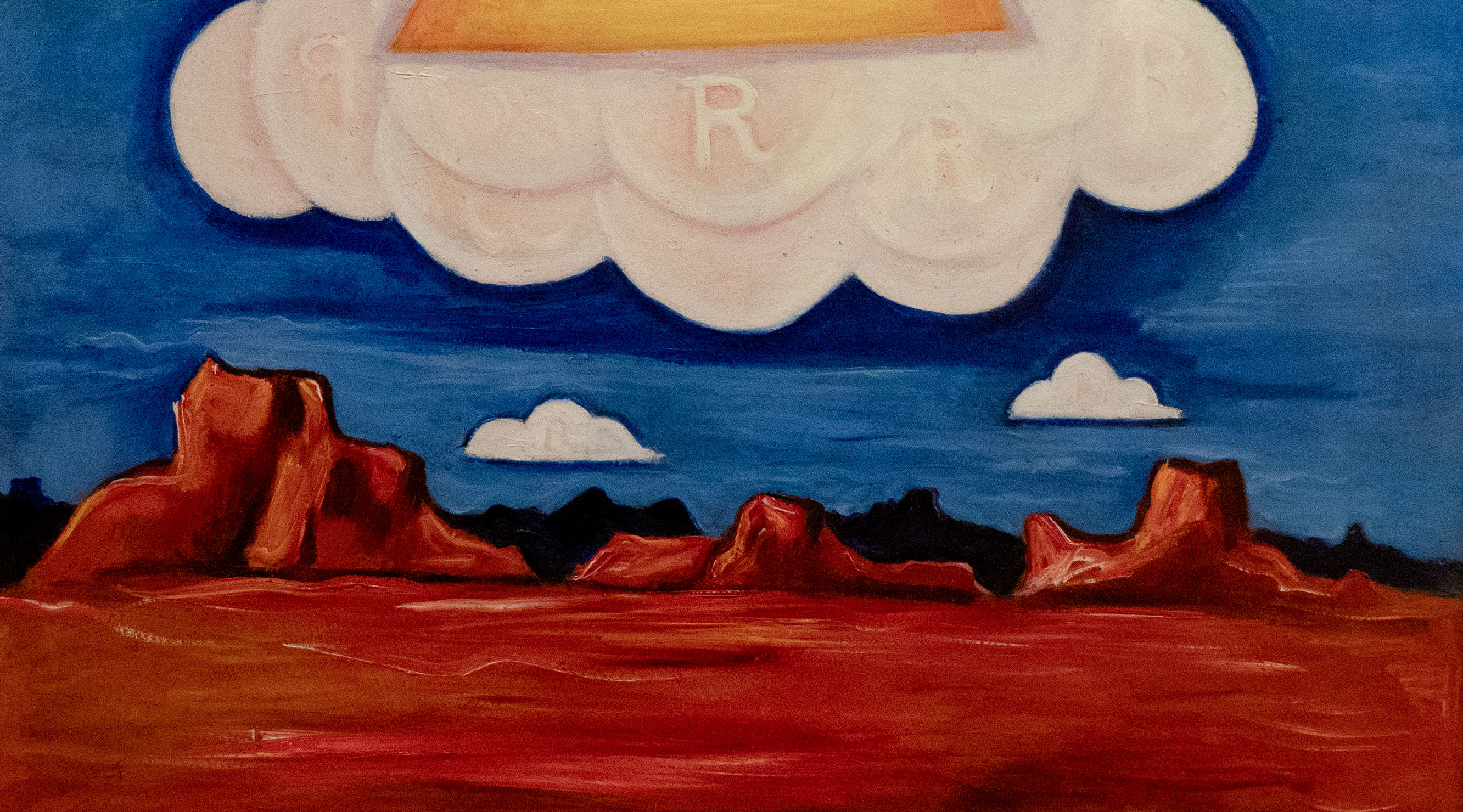
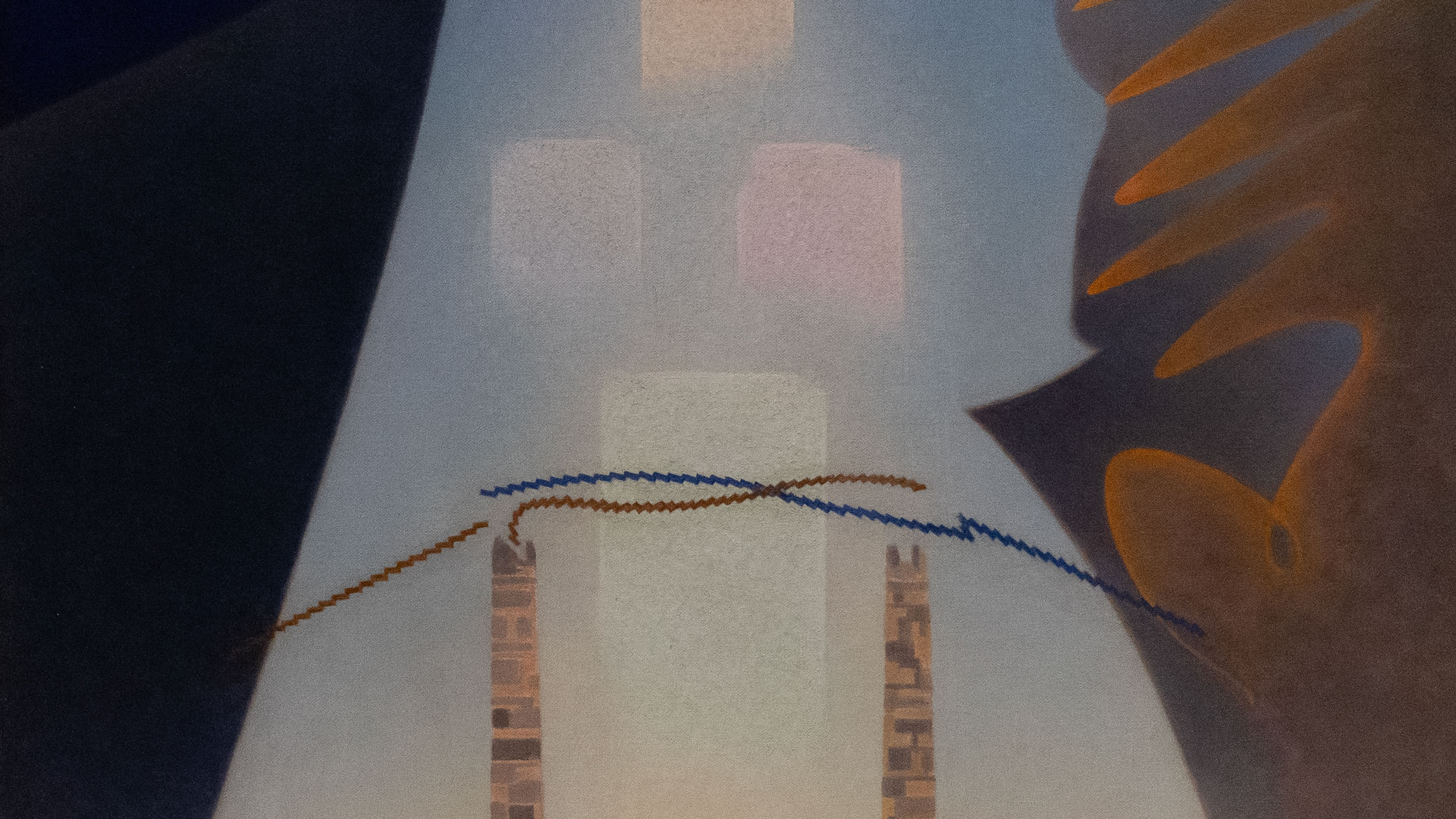
Pelton lived in Cathedral City, where painting and the surrounding landscape became sources of spiritual sustenance. Frantz describes her work as “very ecstatic abstraction,” a phrase that gives its forms an urgency grounded in lived experience. “There is a kind of relationship that Pelton talks about very explicitly, about what she is painting and what she is feeling inside herself and what she is feeling about the world.” David Evans Frantz I am drawn to the movement among those three things. The painting carries an encounter between an inner life and a place. Knowing that relationship changes how I behold its abstract forms.

Agnes Pelton’s Future brings abstraction into relationship with the California desert. Frantz describes a painter whose inner life, spiritual practice, and experience of place informed one another.

Marsden Hartley: A Life in Search
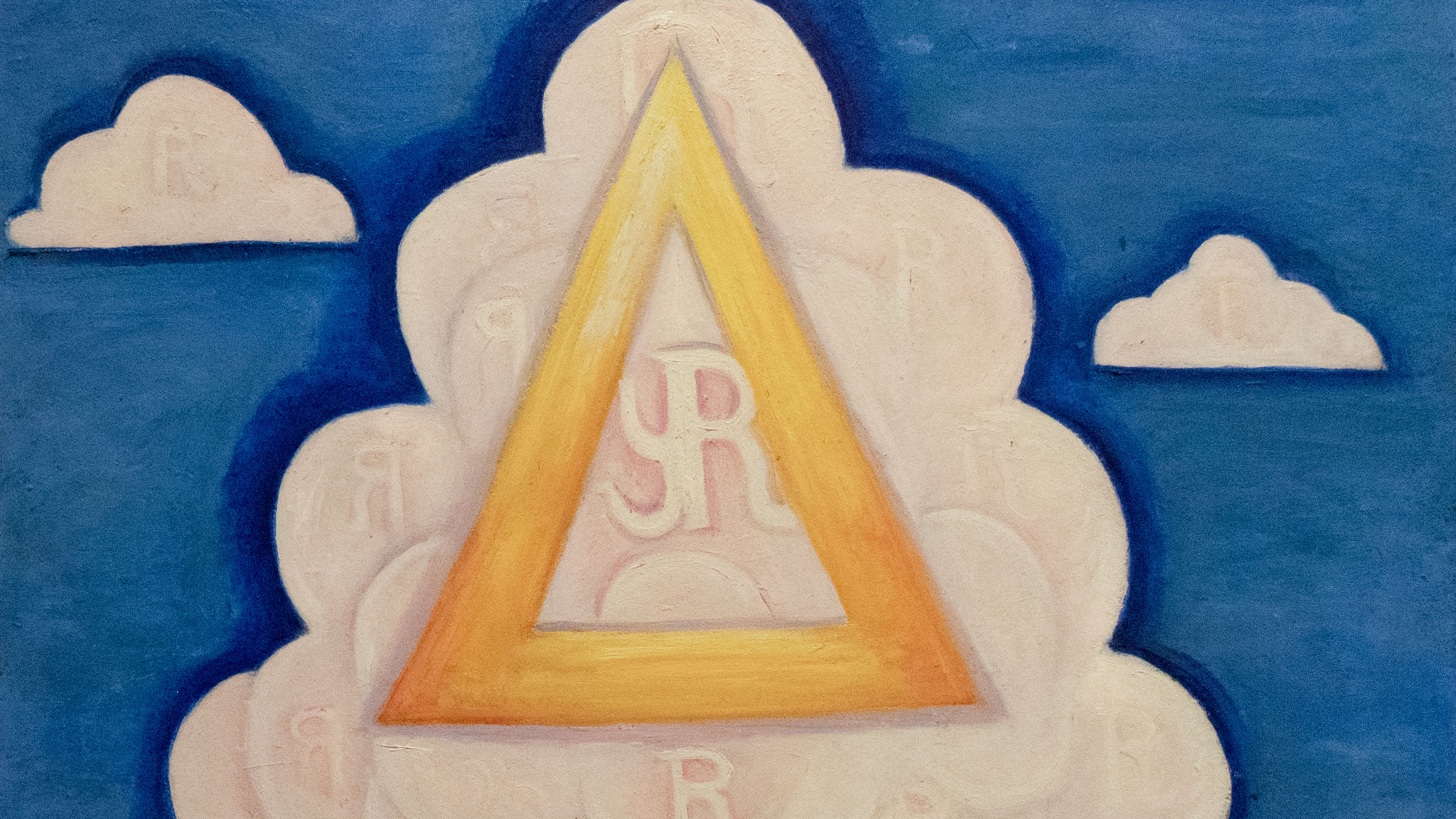
Hartley made The Transference of Richard Rolle during his time in Mexico, drawing on the writing of an English Christian mystic while encountering a landscape new to him. The painting holds those sources within a practice already shaped by symbolism and abstraction. Frantz sees Hartley searching across traditions for ways to understand himself and the spiritual world. “Those tensions between his sexuality and his connections to family and community,” he says, run throughout the artist’s life and work. The painting gives that search a form. Its meanings continue to move among the text Hartley read, the place he encountered, and the life he was trying to live.

Marsden Hartley’s The Transference of Richard Rolle brings a mystical text into contact with the Mexican landscape. Frantz sees it within Hartley’s continuing search across sexuality, spirituality, and belonging.

Steven Arnold: Making a World
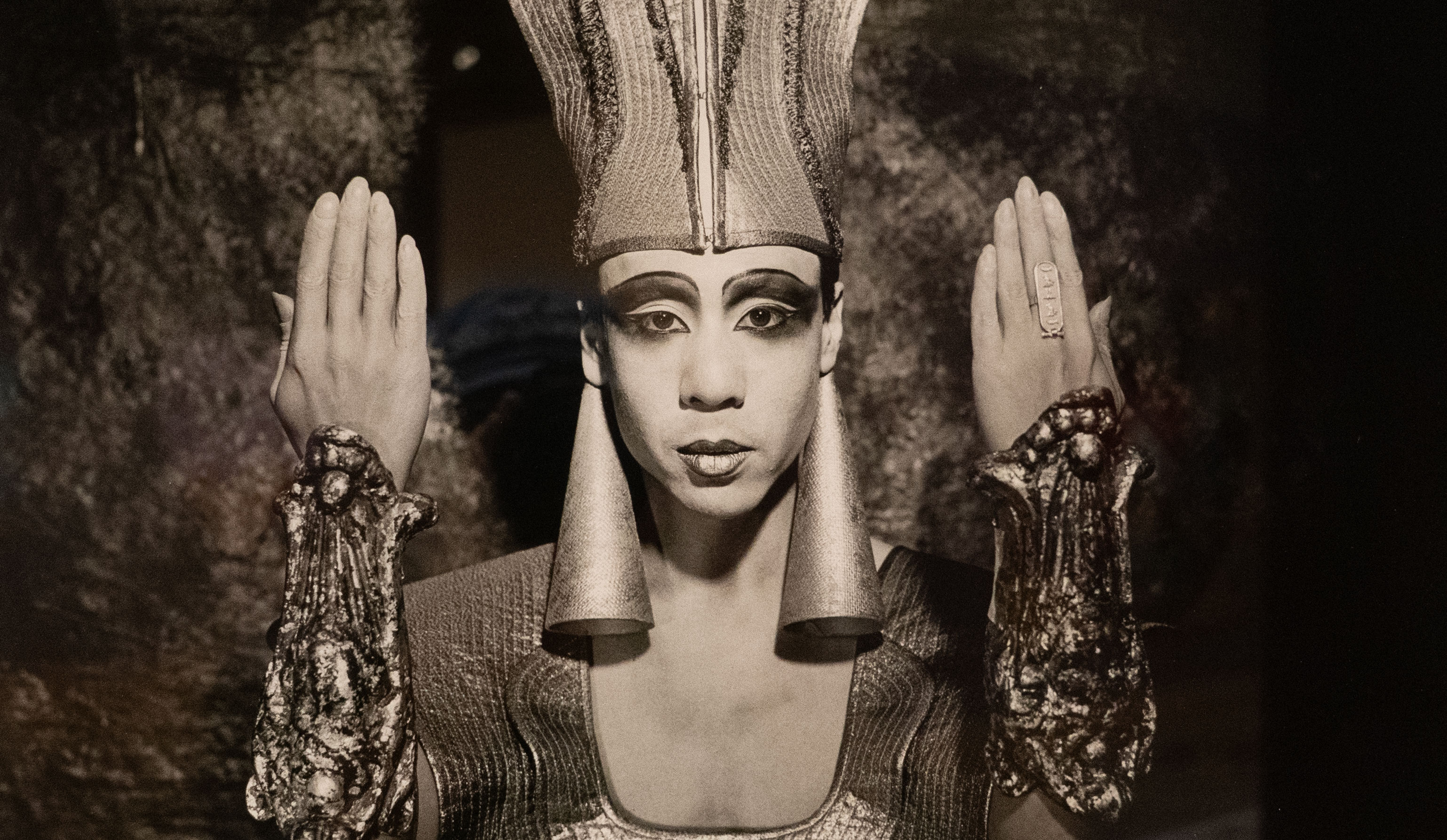
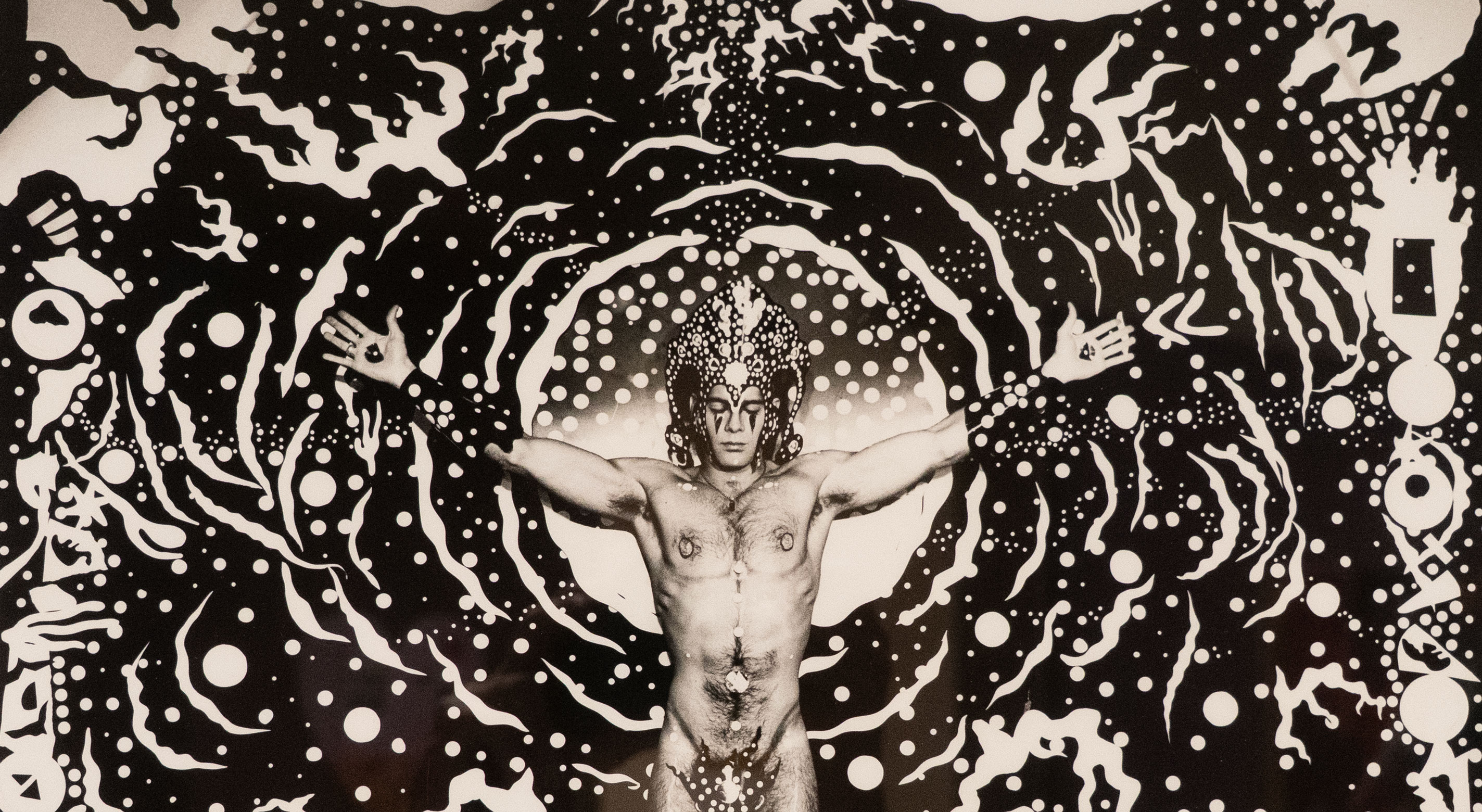
Arnold’s photographs build theatrical worlds around the body. His studio extended that impulse into daily life. People came to Zanzibar for salons and parties, entering an environment he had transformed. “You went through the doors and Steven made this magical universe.” David Evans Frantz The photographs preserve one part of Arnold’s invention. Stories of the studio carry another: what it felt like to meet people there and inhabit the space together. As I prepare an exhibition of my own work, Arnold makes me think about what happens around the paintings. The encounters in a room can become part of how the work lives on.

Steven Arnold made elaborate photographs and a place where people could gather. Frantz describes his Los Angeles studio, Zanzibar, as a world visitors entered through friendship, performance, and shared imagination.

Frances Salomé España: A Place Between
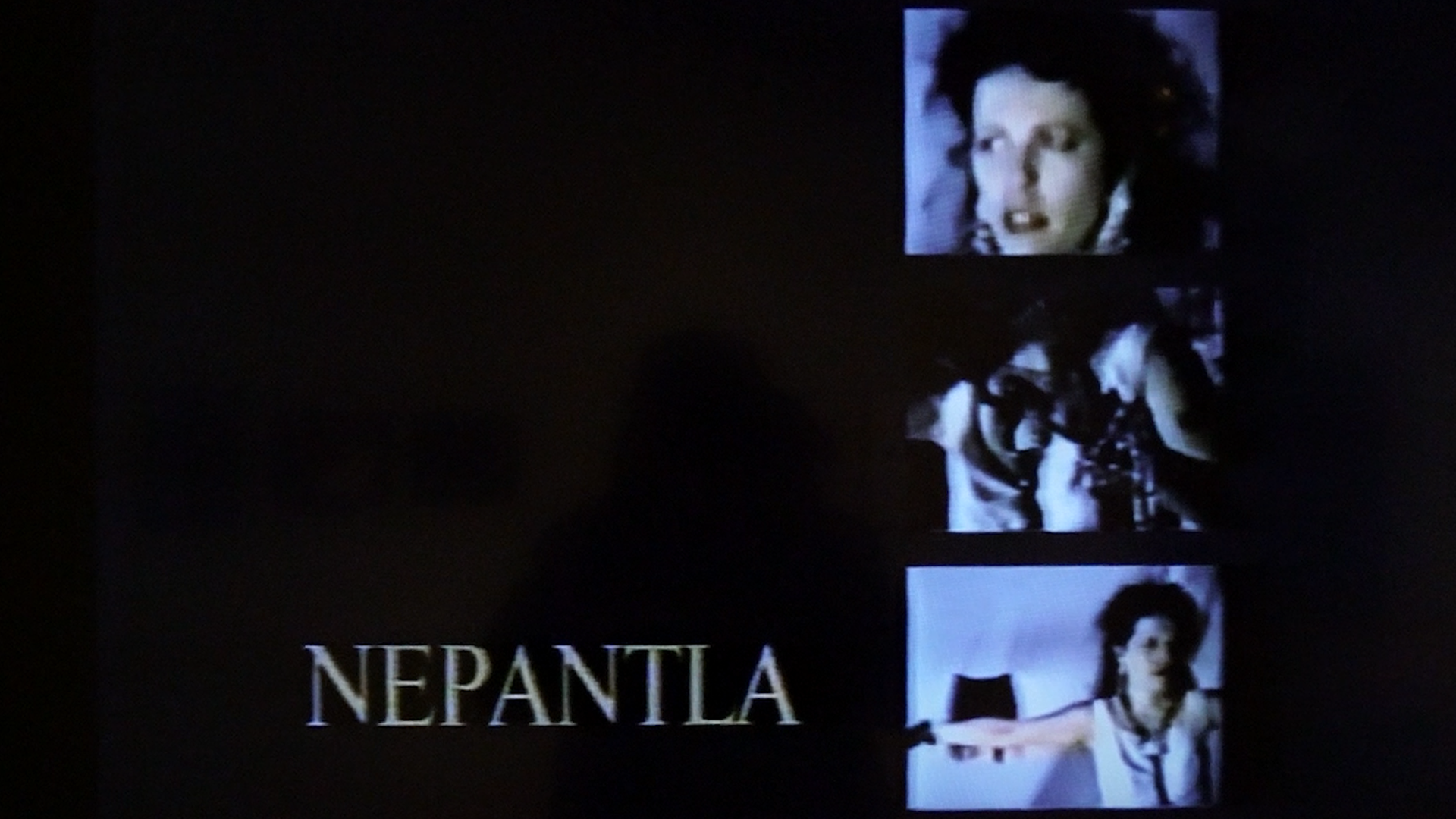
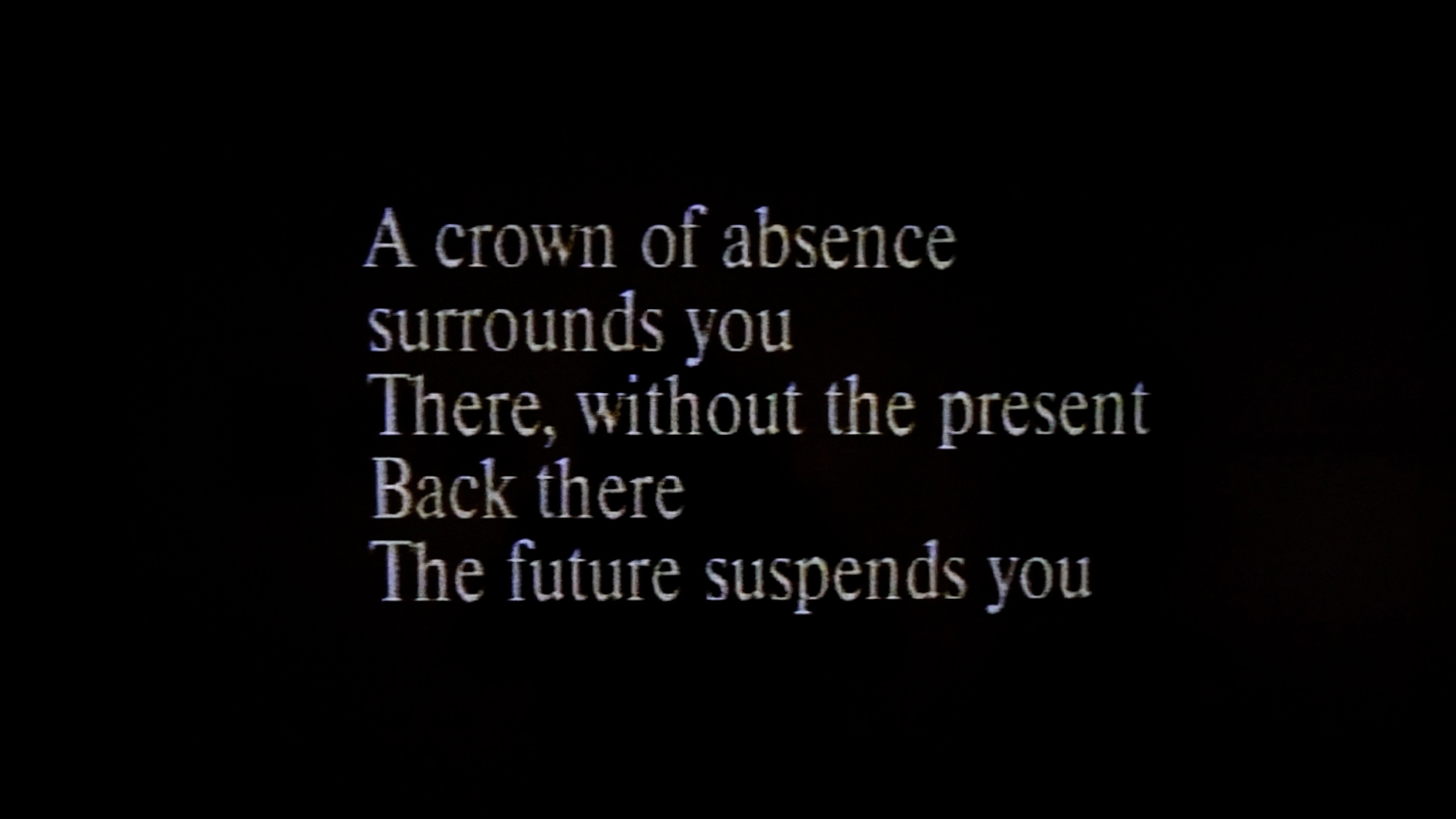
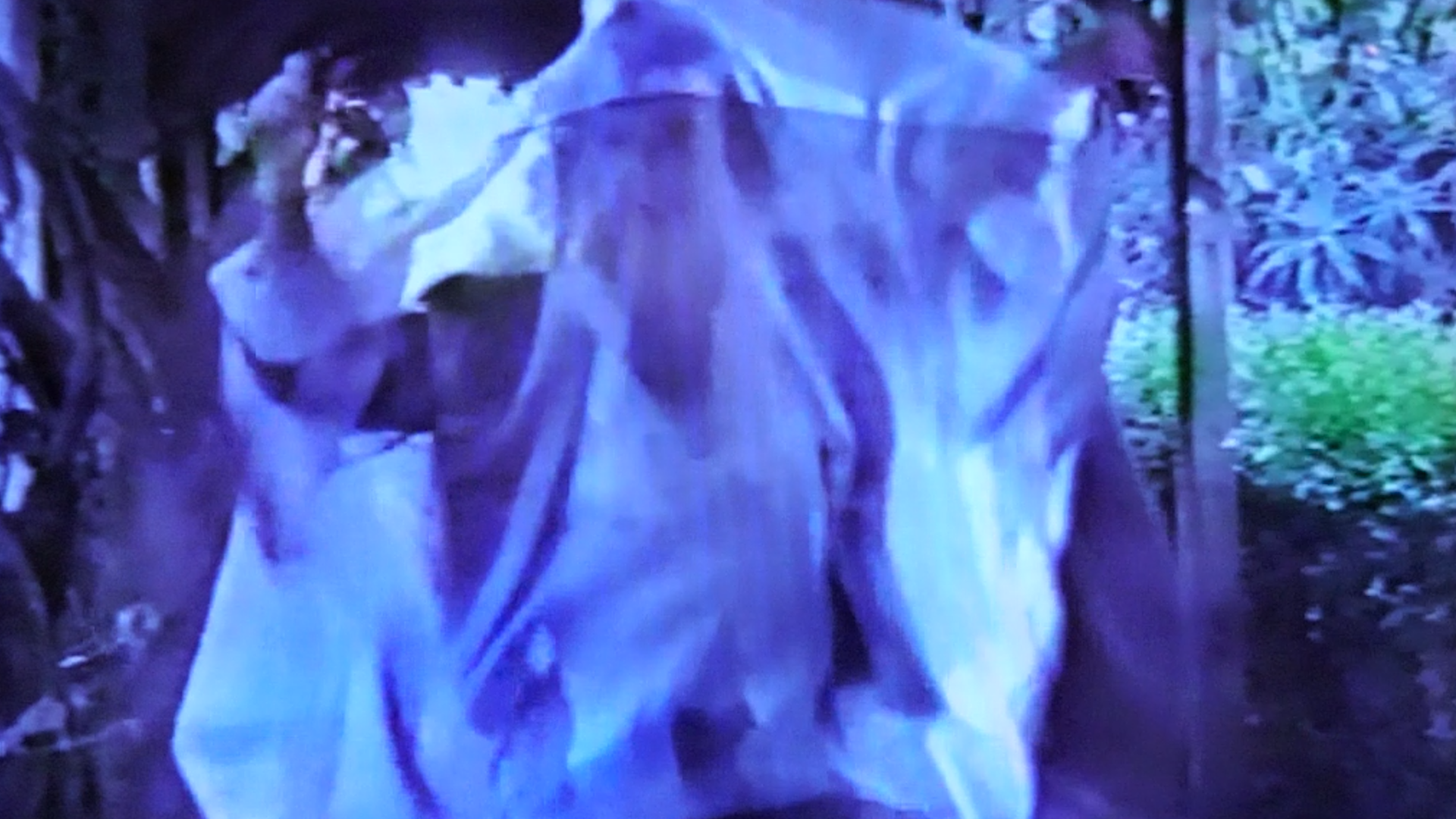
Frantz describes Anzaldúa’s borderlands as both external and internal: lived across nations and cultural traditions, and within the categories through which gender and sexuality are understood. He speaks of an in-between condition as “some place to be and kind of find oneself within.” España’s video gives that place image, movement, and ritual. Frantz calls it a spell, while also noticing its feminist and punk energies. Those elements meet through the people performing and filming the work. Nepantla asks what someone can make from a position that established categories have difficulty holding, and what forms of presence can emerge there.

Frances Salomé España’s Nepantla makes an in-between condition into a place of action. Frantz connects the video to Gloria Anzaldúa’s writing on borderlands, identity, and spirituality.

Edgar Fabián Frías: A Home in Damaged Land
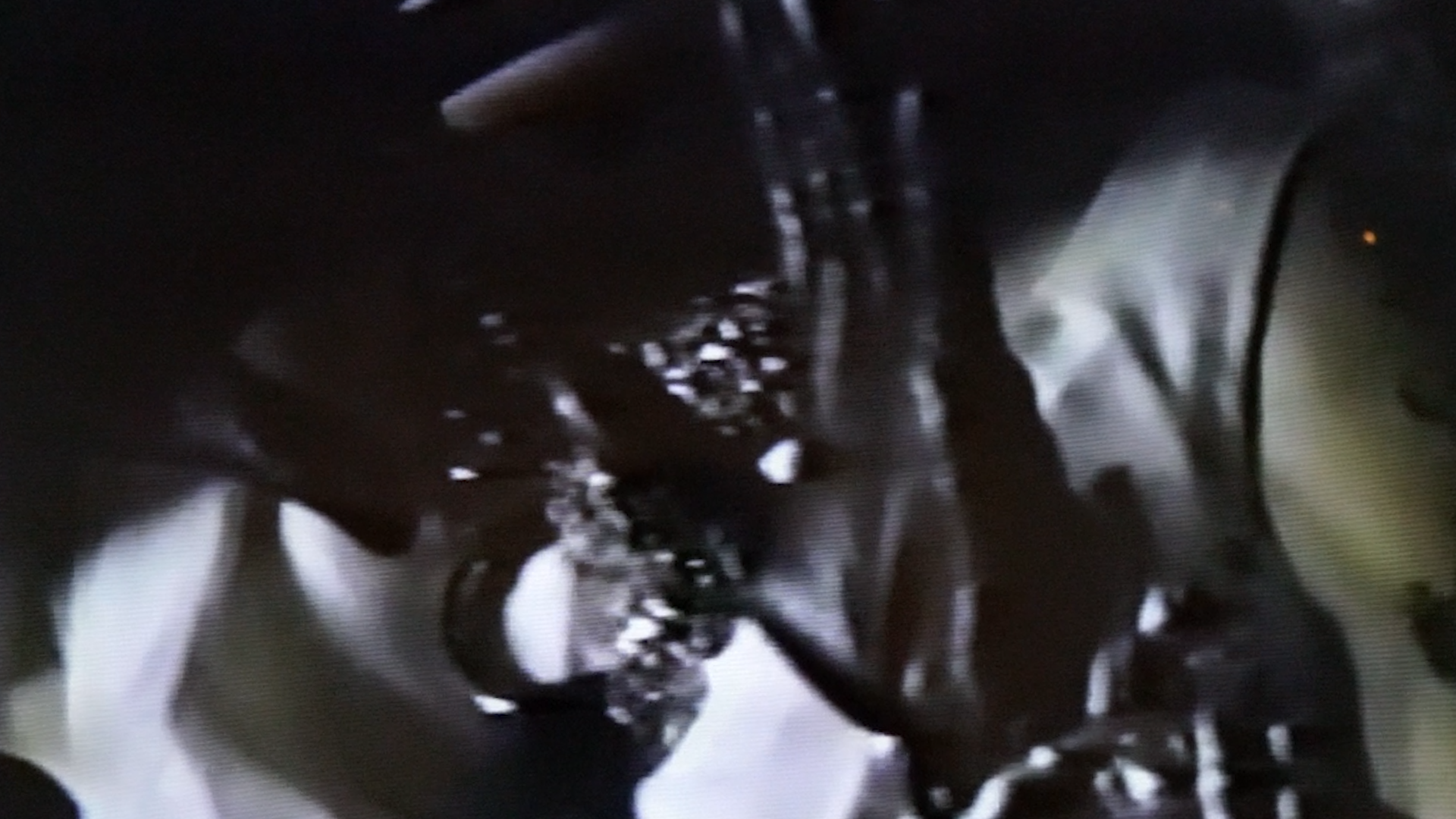
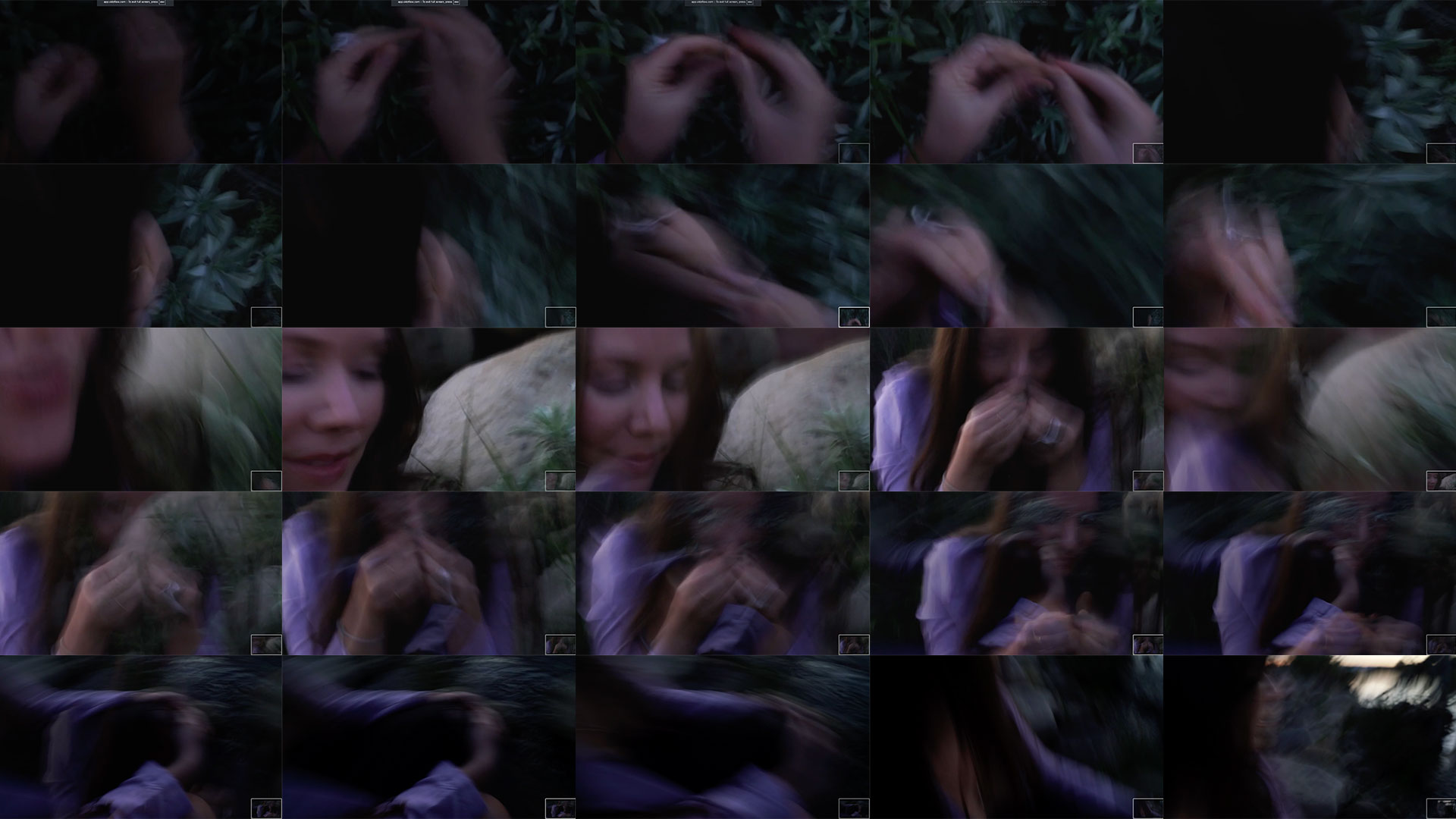
Frantz hears two meanings in the title: “us” as a community and “US” as a national project. The video holds those scales together as people gather, perform, and make a ritual within a damaged place. At one moment, a pomegranate is handed toward the camera. The person documenting the action is drawn into it. I recognize that uncertainty from my own documentary practice. The camera gives me a position from which to look, but the people before it can address me and change the encounter. Frías makes that exchange visible. His work asks what it means to be present with others in a place marked by harm.

Edgar Fabián Frías’s Give US Home Spider brings friends, performance, and ritual into a damaged landscape. Its title addresses both a community seeking home and the United States implicated in environmental harm.

Fred Lonidier: A Ritual Made Together
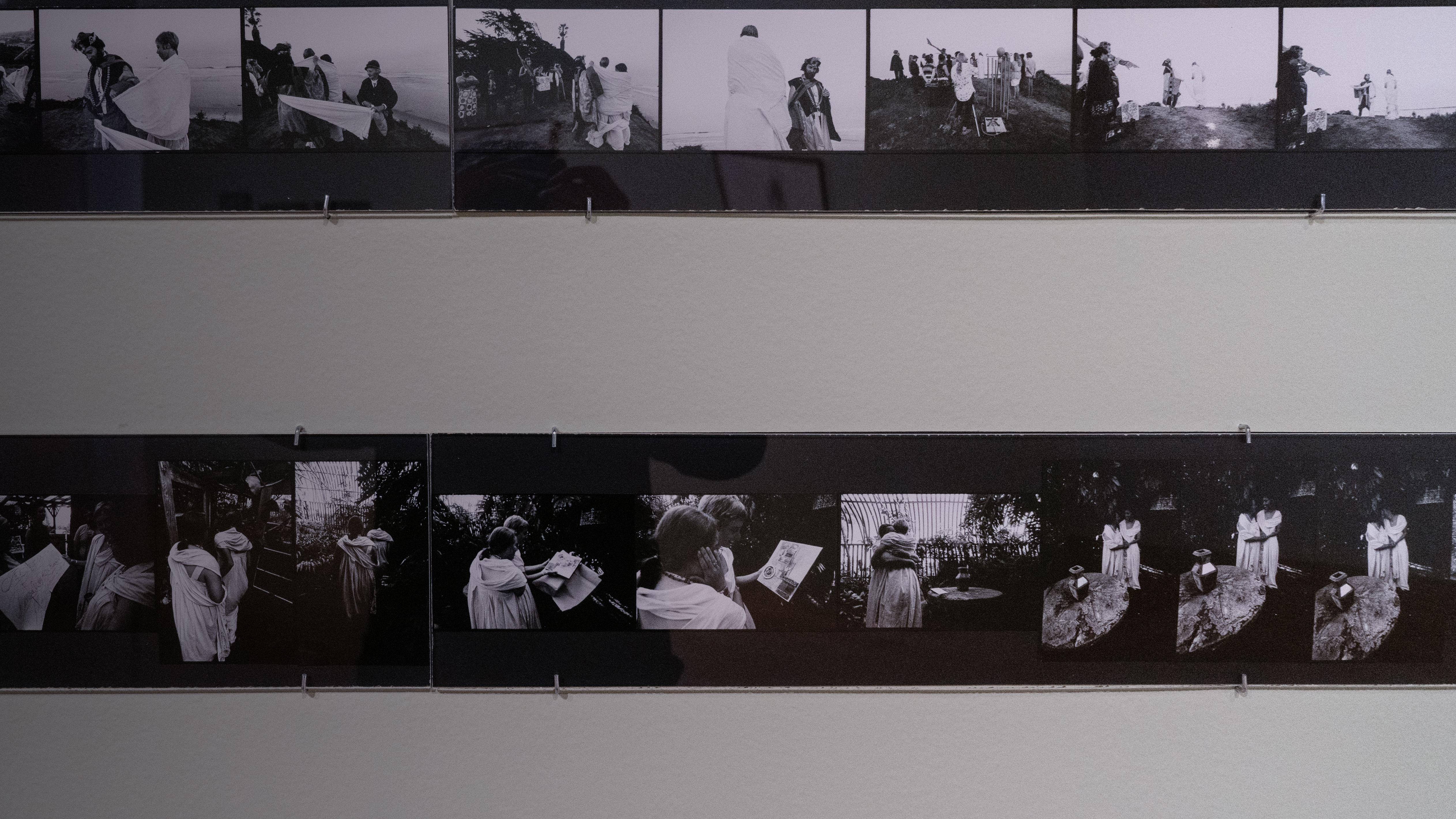
Lonidier’s photographic sequence allows the wedding to unfold through gestures, participants, and time. Frantz is moved by the rituals Baron and Oliveros made for themselves: “They’re devising their own wedding, and a very public one at that, on the beach in the morning, to commemorate their love.” David Evans Frantz The ceremony gained another public life through Lonidier’s photographs and Jill Johnston’s writing in The Village Voice. The images carry forward an event made by two people and their community. They remind me that documentary art begins with lives already in motion, and that a record can help an act of love reach people who were never there.

Fred Lonidier’s photographs follow the wedding of Lin Baron and Pauline Oliveros through a morning on the beach. Their ceremony was playful, loving, public, and devised around their relationship.

Carrying the World Forward
Frantz’s exhibitions bring artists and histories into public view. Buber asks how we meet what is before us. Together, they make visibility feel like the beginning of a responsibility. As I arrange my film, these questions enter practical decisions: how I describe a collaborator, what I show beside a painting, which fragments I return to, and how much room I leave for another person’s understanding. Some material will enter the film; some will wait. I want the structure to let images and relationships continue beyond the account I give of them. How do we care for all this culture? I can begin by attending to what is here, acknowledging the people with whom it came into being, and making forms through which others can encounter it again.

I am condensing a vast counter-archive into a film of three acts and eleven episodes. Frantz and Buber keep a question before me: what happens after we recognize something of value?