Engine Company 33

(Characters)
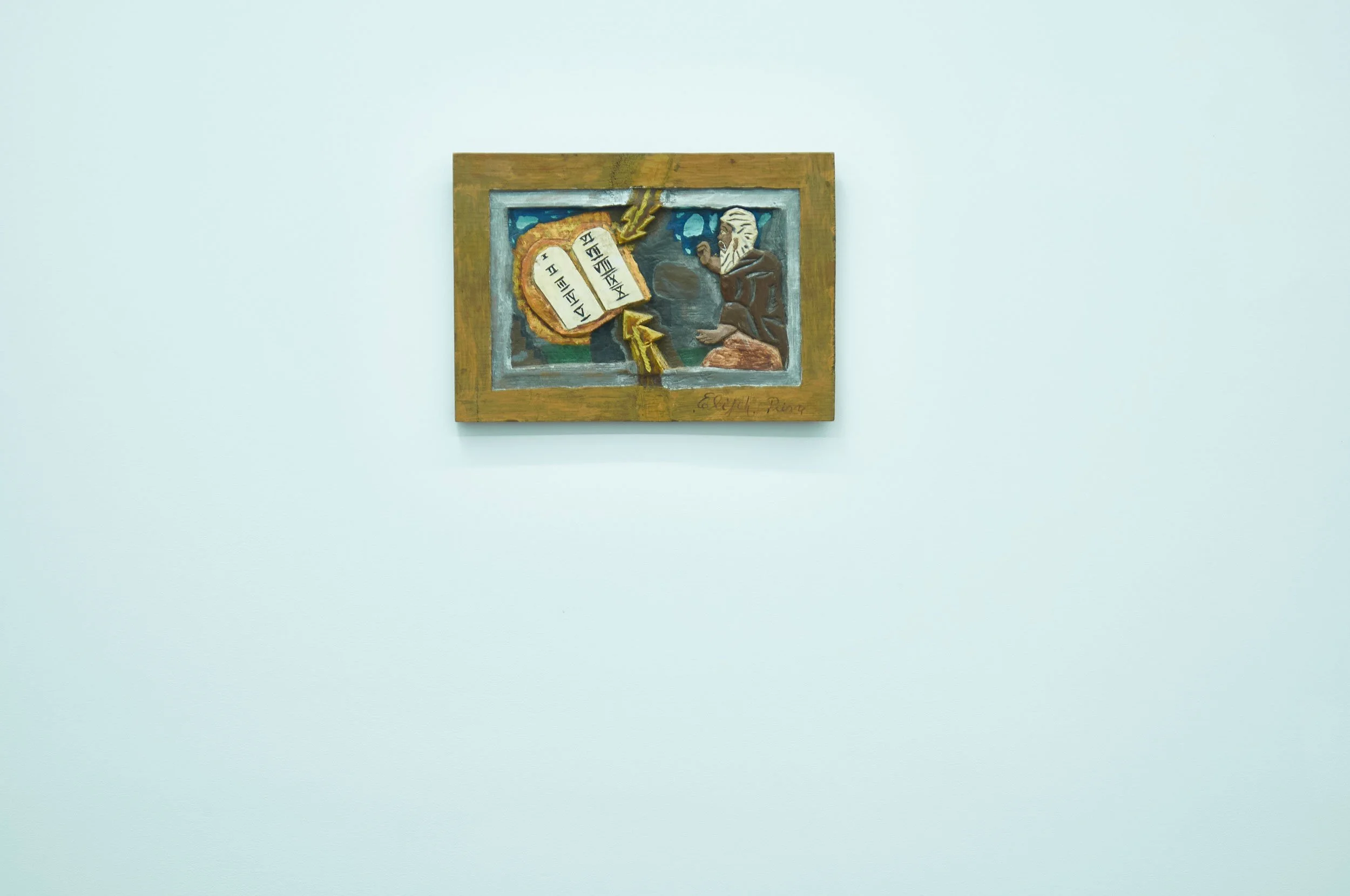
Saul Appelbaum, James Holmes, Elijah Pierce, & Stuart Appelbaum
(Dramatic Need)
To control the story before the story controls her.
(Internal Need)
To be free from being defined by someone else's story.
(Introduction)
When a Los Angeles–based actor/designer/coder begins translating radical theory across languages, interfaces, and identities, her open-source tools become a cinematic battlefield, where code speaks, language resists, and translation itself emerges as a political act capable of rewriting power, authorship, and future utopias/dystopias.
(Character Outline)
🎭 Raised between cities and languages, The Actor grew up watching her mother subtitle foreign films at the kitchen table, learning early that meaning is always slightly negotiated. She paid her way through conservatory by coding small tools for independent filmmakers, slowly developing a parallel practice that rewrites scripts through software. In the film, she becomes the character most aware that she is inside a constructed narrative, subtly altering dialogue, reframing scenes, and possibly debugging other characters’ arcs. Her storyline can tap into the film’s recursive structure. Is she performing or authoring? A late revelation could suggest she has been rewriting the film from within.
(Mother's Table)
I don't remember learning that a story was supposed to stay the same. My mother translated foreign films at the kitchen table in Brussels, and I would sit nearby watching her make impossible decisions. There was never a perfect translation. A sentence could be technically correct and still completely wrong. A joke could disappear. A political idea could arrive carrying a completely different history.

I learned early that every person performs a little. The interesting question is what happens when we stop pretending we don't.

(The Impossible Word)
Sometimes a single word had to be negotiated for ten minutes. That was probably my first education, not in language, but in power.

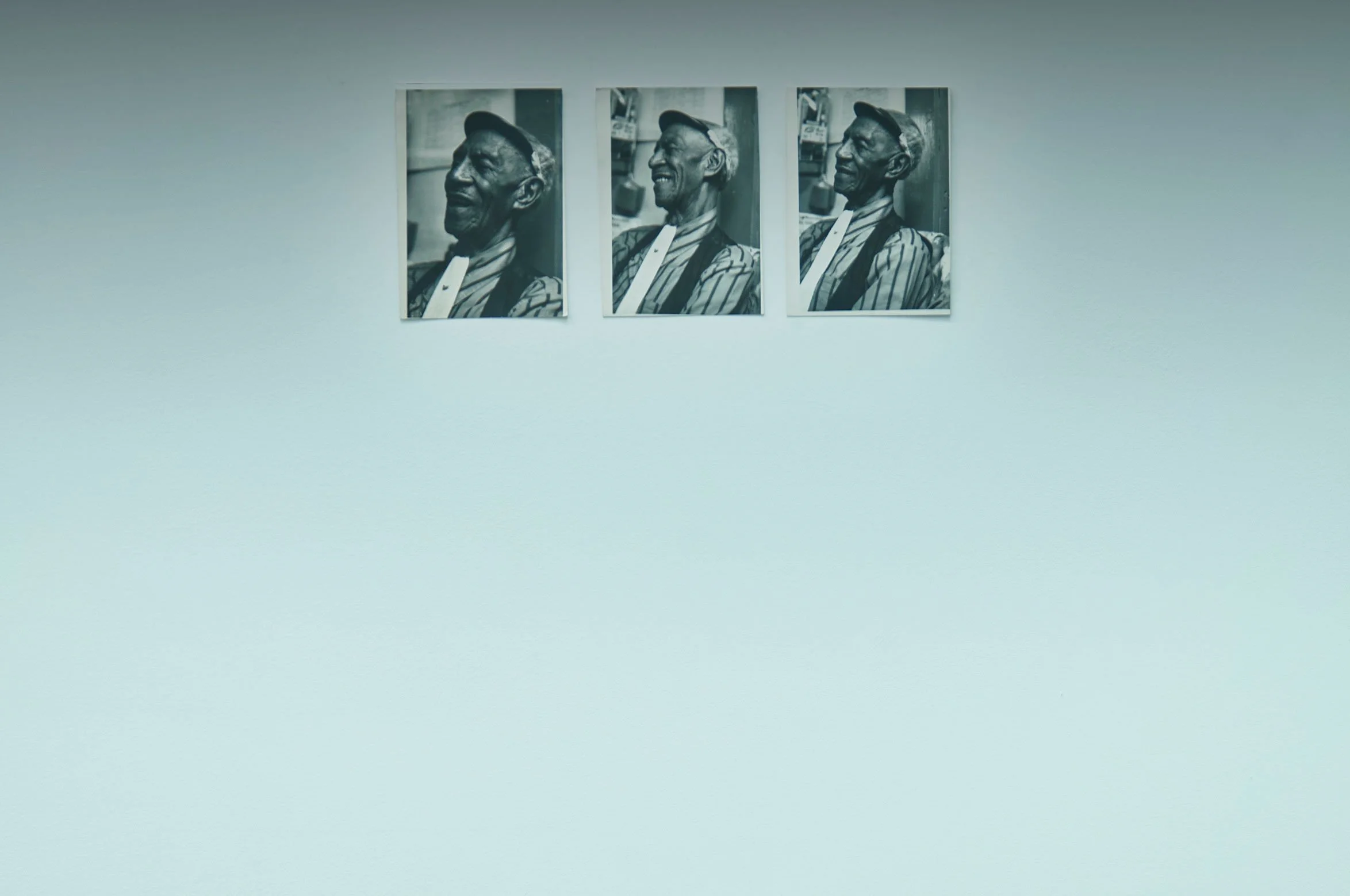
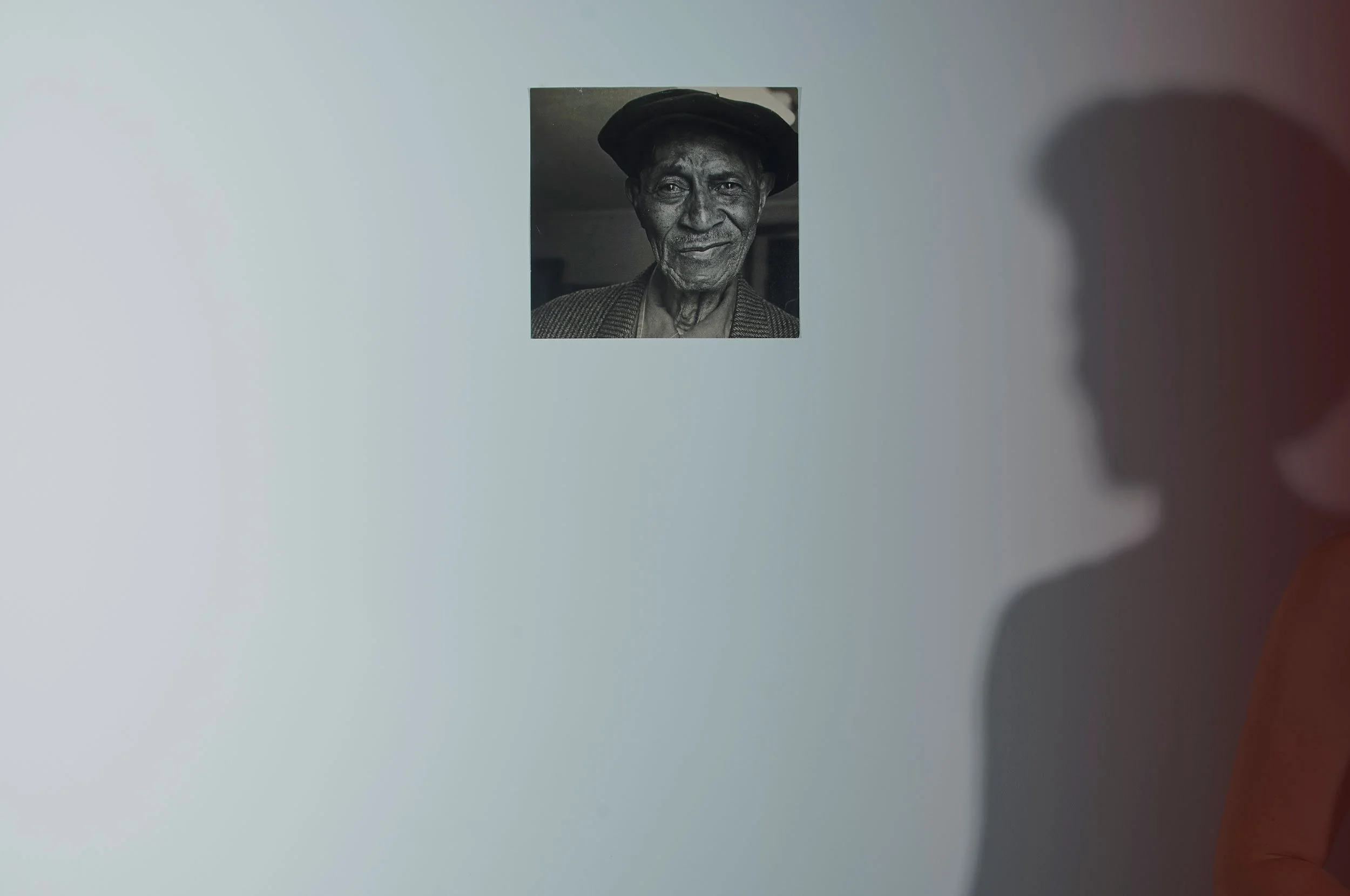
My father photographed an artist named Elijah Pierce. Years later, I began to understand the barber shop as a kind of stage.

(Crossing Borders)
I became interested in what happens when meaning crosses a border. French into English. One cultural context into another. Theory into practice. An academic idea into a body. A political argument into an interface.

A good room changes the people inside it. Sometimes the art is simply creating the conditions for that to happen.

(Translation Changes Things)
I learned that translation isn't simply about finding the right word. The act of translation changes the thing being translated, and sometimes that change is where the interesting part begins. This became the logic behind my work as a designer, coder, and researcher: moving ideas between languages, systems, and forms, and seeing what they become along the way.

Natalia made a restaurant feel like a gathering place. I wanted the exhibition to carry some of that warmth with it.

(Making Tools)
So I started making tools. I coded, built websites, designed interfaces, and worked across digital and cultural projects. I became interested in the fact that an interface is also a language, and that code is never simply technical.

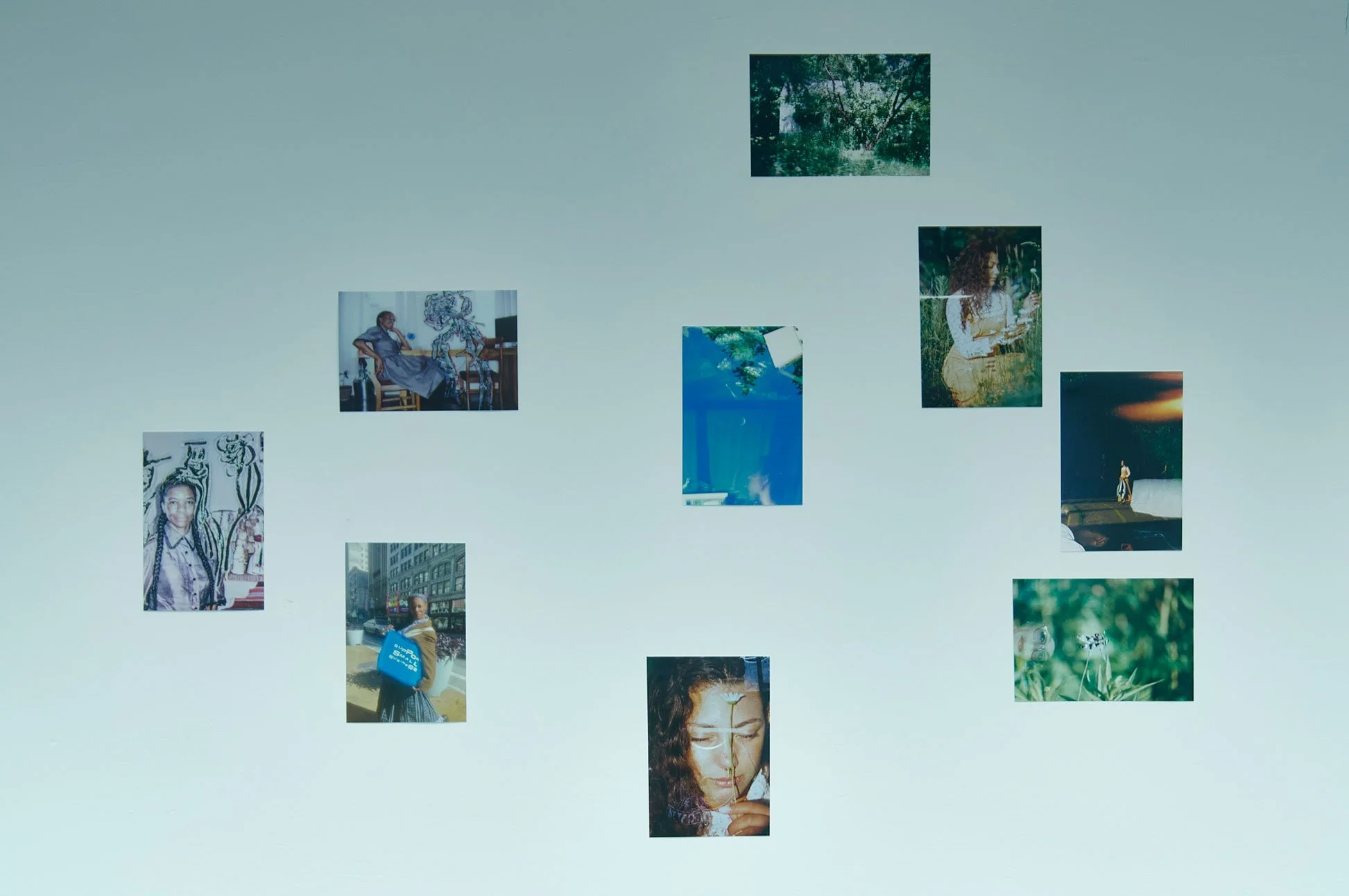
I photograph people because I want to know what happens between the person and the image. The camera is only one participant in the encounter.

(The Language of Code)
Both contain assumptions about how something should be understood, who should be able to access it, and what kinds of behavior are possible. I liked the fact that code could be precise and ambiguous at the same time. You could write one sentence and produce a thousand different outcomes. The same is true of language.

James was making his first exhibition, and we were making it together. At some point I stopped knowing where his work ended and our friendship began.

(Underneath the Surface)
My work lives somewhere between design, code, critical theory, research, and translation. I am interested in systems that make themselves visible, in the architecture underneath the surface. I want to know who designed the framework, what assumptions are built into the interface, who gets access, who remains illegible, and what happens when the rules are changed.

An interview becomes an image. An image becomes an exhibition. The exhibition becomes another story, and suddenly the story is making the art.

(Political Translation)
Much of my research begins with the movement of ideas between linguistic and political contexts, particularly when concepts emerging from decolonial, queer, and anti-racist struggles encounter different semantic and cultural histories.

I like being inside the machinery of an exhibition. Not backstage exactly, but somewhere between the stage, the audience, and the control room.

(Open Systems)
I am also interested in what happens when those systems are opened up. Much of my process moves through open-source platforms, where a project can remain unfinished, available to be examined, altered, extended, or misunderstood. A tool can become an archive. An interface can become a conversation. A piece of code can become a proposition. The distinction between designer and user becomes less stable.

Maybe curation is another form of acting. You enter someone else's world and try to make the audience believe they can enter too.

(Debugging the Film)
The same is true of this film. I noticed the pattern early: the repetitions, the mirrored conversations, the strange moments when someone says something they shouldn't know yet, the scenes that seem to remember other scenes. Nobody else seems particularly concerned. I am. I've started making small adjustments. A word here, a pause there, a phrase that means something slightly different after it has crossed into another language. A scene that happened yesterday happens again, but differently. I haven't decided whether this makes me the translator, the designer, or the problem. Maybe those are the same job.

I used to think the artwork was the thing we were trying to preserve. Now I think the encounter might be the thing worth keeping alive.

(Translating Back)
I suspect the film knows I'm changing it. I suspect it has been translating me back. There is a version of this story in which meaning survives the journey intact. There is another in which everything changes the moment it crosses a border. And there is a third in which the distinction was never real. I'm still debugging that one.

Every exhibition is a temporary community pretending to be a finished object. I am interested in what happens when we let the community remain visible.