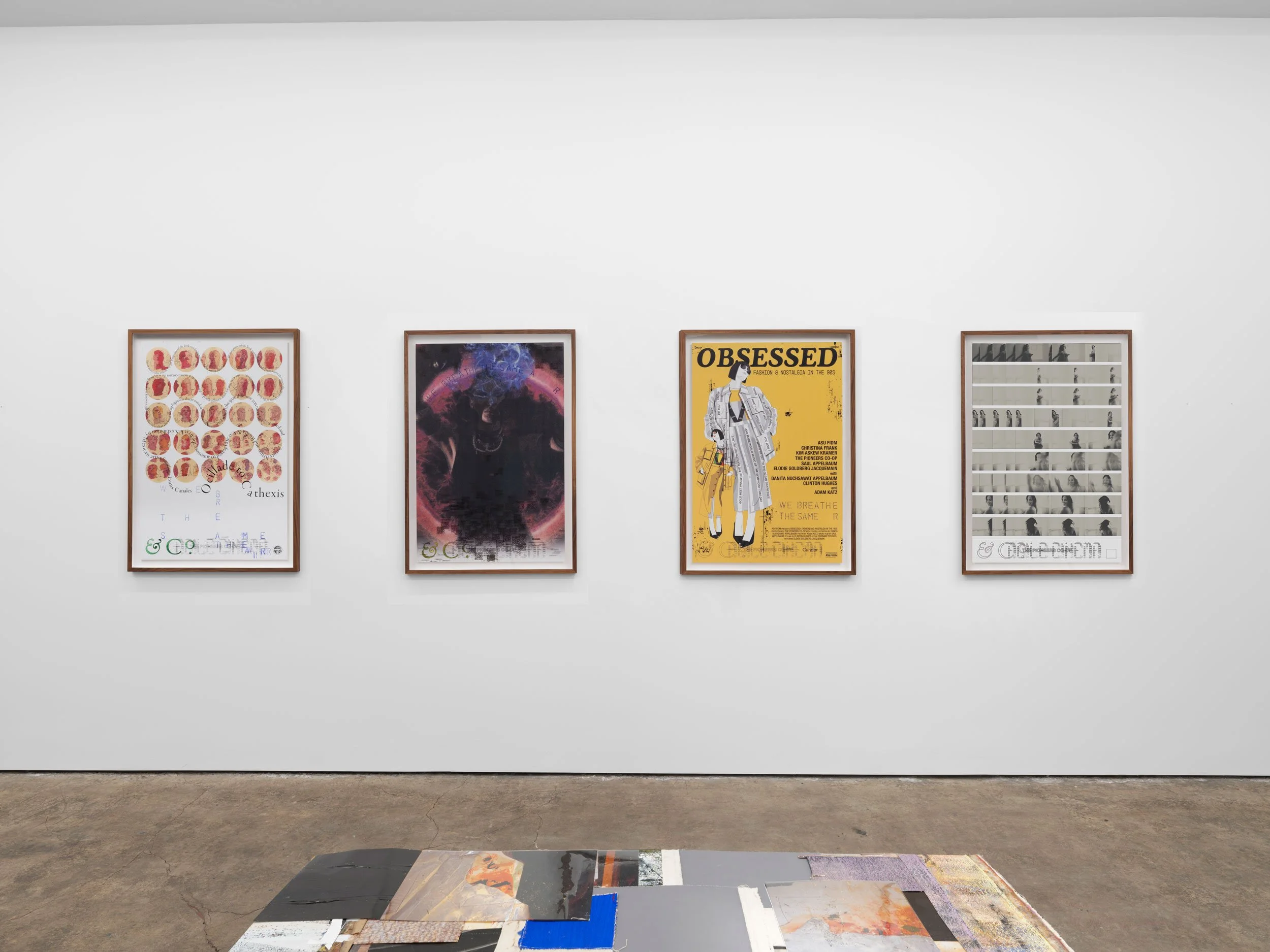
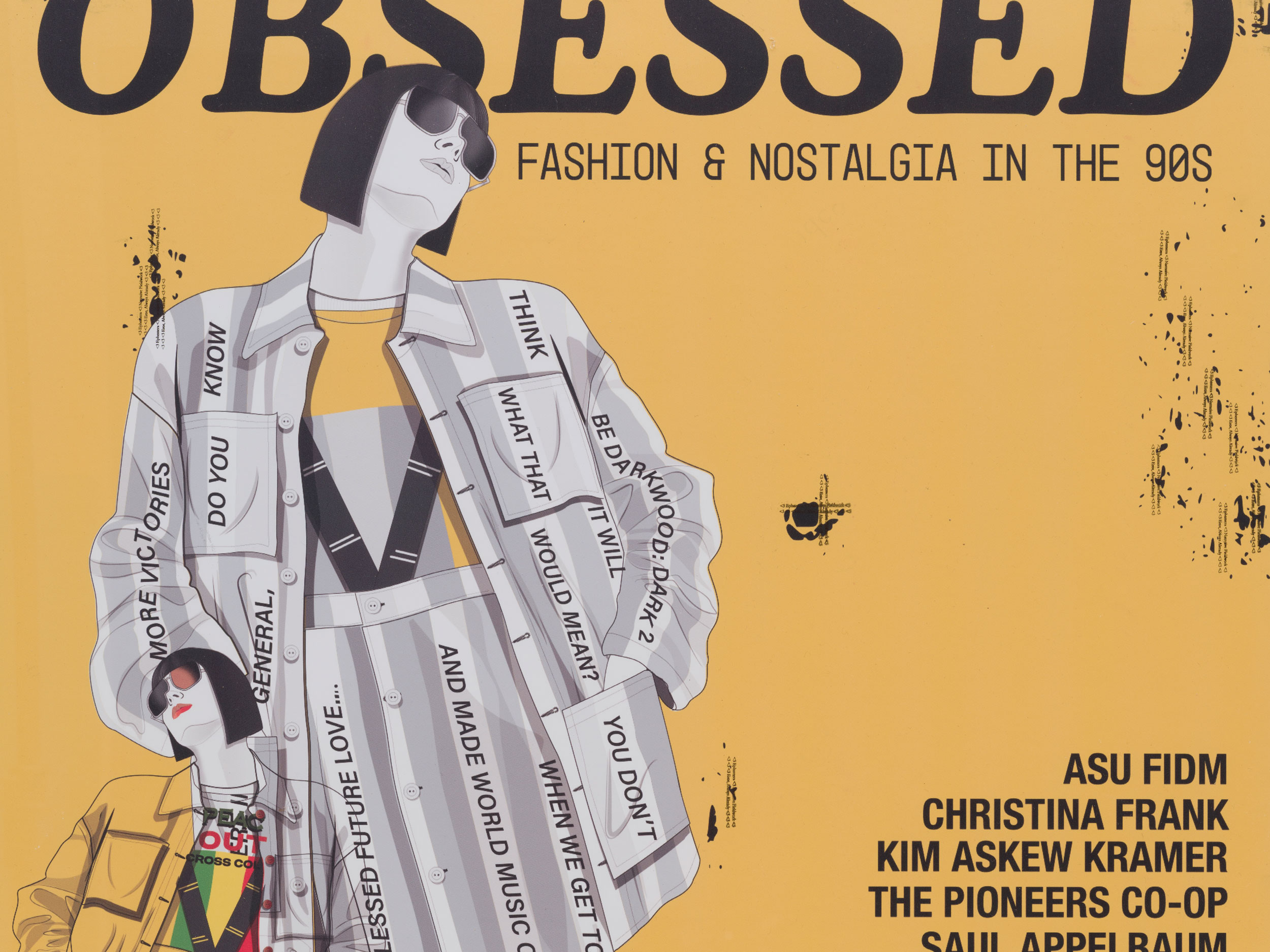
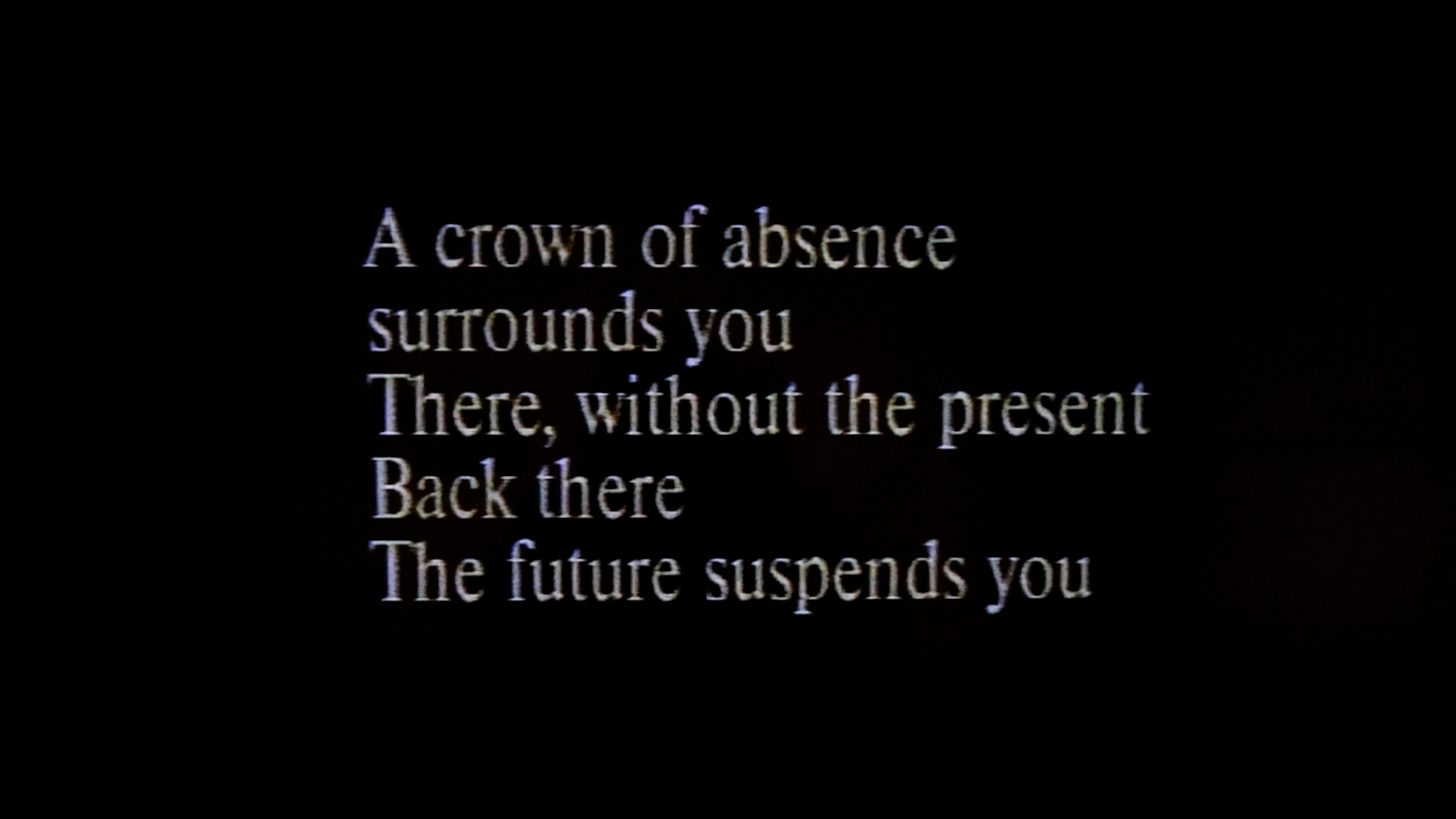
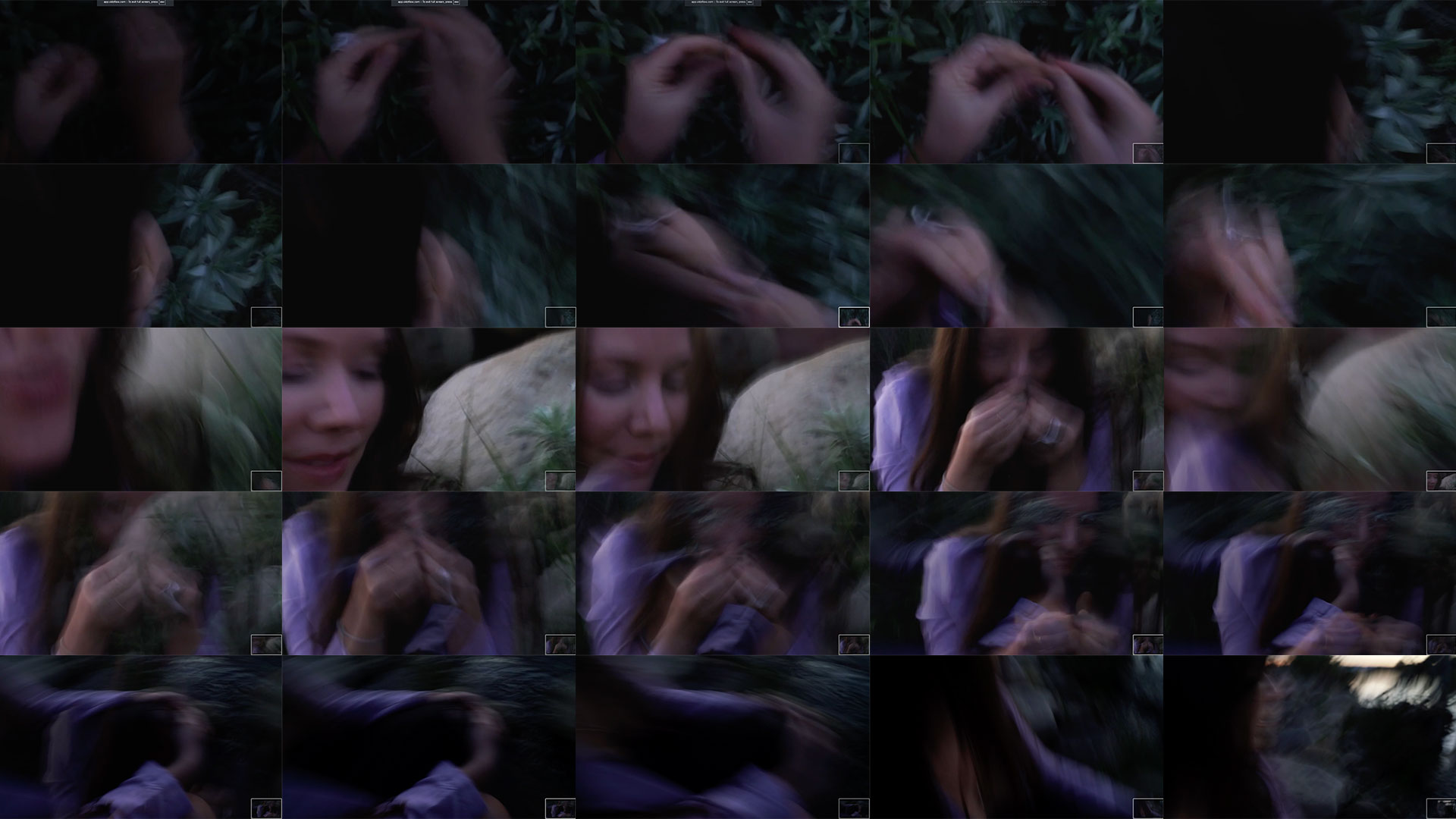
We Breathe the Same Air

(Characters)
Sol Axiom
(Dramatic Need)
Wants to prove that collaboration itself can become a form of authorship.
(Internal Need)
To make meaning from the overwhelming abundance of experience, and to prove that all of it can belong to one life.
(Introduction)
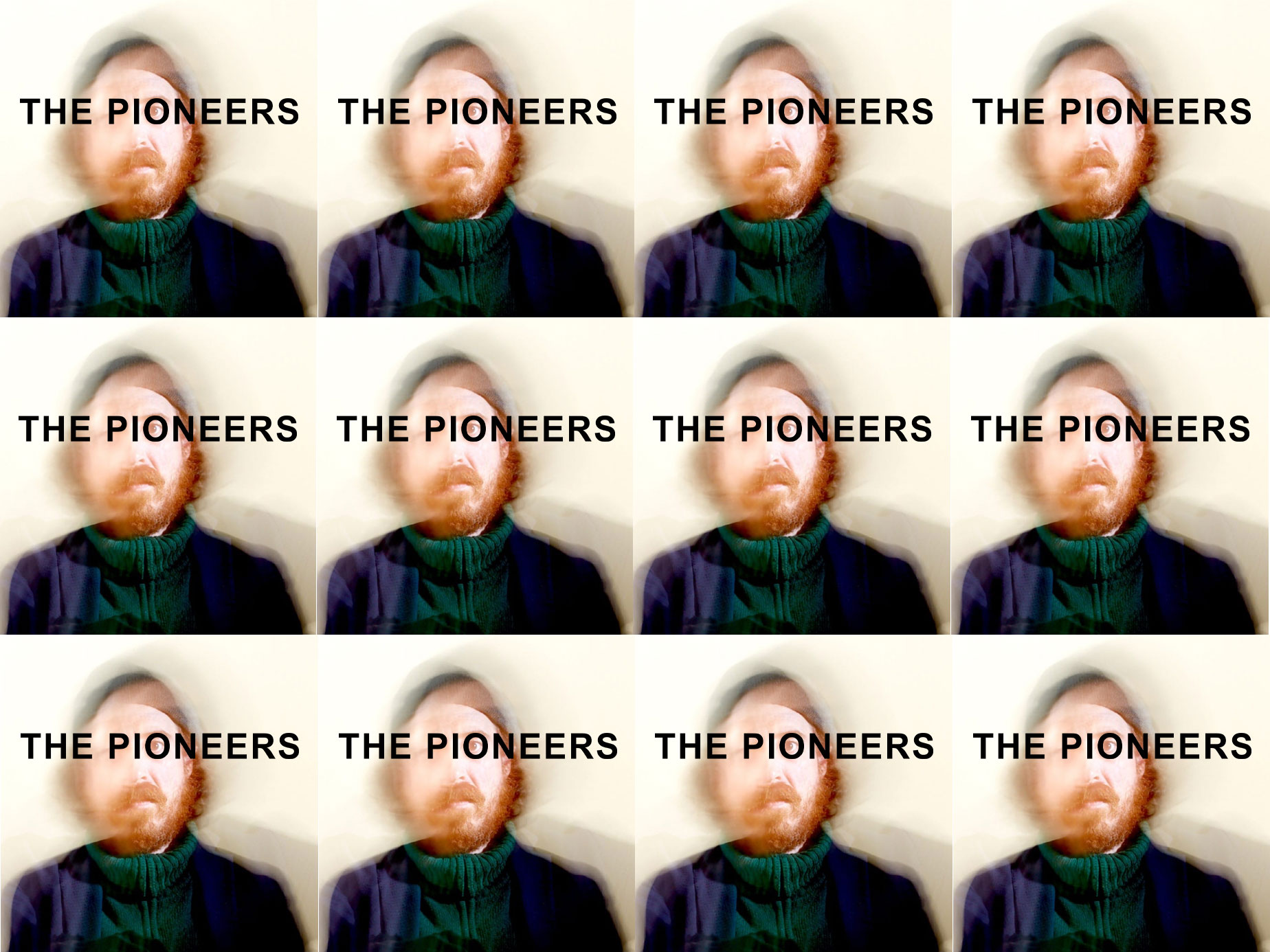
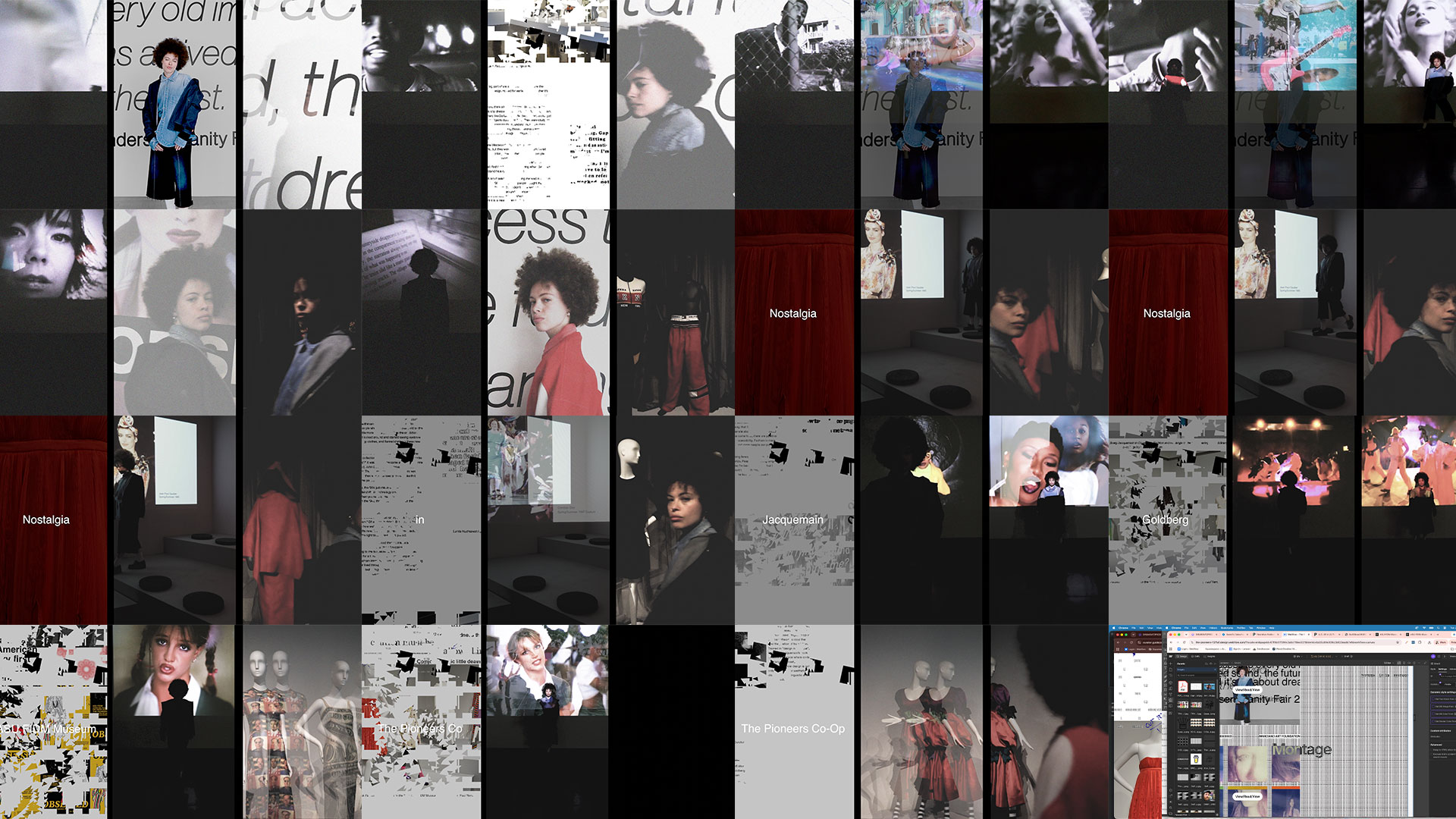
The Pioneers is a long-form episodic film tracing a loose collective of artists across exhibitions, conversations, and transactions, narrated by Sol Axiom, whose attempt to organize the work becomes an autofictional spiral where infrastructure replaces plot.
(Character Outline)
🎭 The Pioneers are a loose constellation of artists, editors, filmmakers, and thinkers who began as a reading circle and evolved into a production organism. They document everything, building a living archive of conversations, drafts, and rehearsals. In the film, they function as both subject and narrative engine. Their attempt to document events gradually becomes the story itself. Internal fractures about authorship and credit may surface, mirroring the structural tensions of the film.
(The Artist Alone)
I have always been suspicious of the idea that an artist works alone. An idea rarely stays with the person who had it.

I never set out to build an archive. I kept making things, and eventually the accumulation became the story.

(The Idea Moves)
It moves through conversations, images, films, texts, collaborations, arguments, and accidents. An artist introduces a filmmaker. A filmmaker introduces an actor. An editor changes a sentence. A designer changes the way it is understood.

I distrust the idea that a life can be separated from its work. The people around us are part of what we make.

(Where Did It Begin?)
Eventually it becomes difficult to determine where the work began, or who, exactly, made it.

Most of what I have made has never entered the public record. Perhaps that is why it has remained alive.

(The Reading Circle)
The Pioneers began as a reading circle and gradually became something less easy to classify. We read, talked, invited people, made photographs, films, publications, exhibitions, and records of what had happened.

A painting changes when you live with it long enough. So does the person looking at it.

(When the Record Becomes Work)
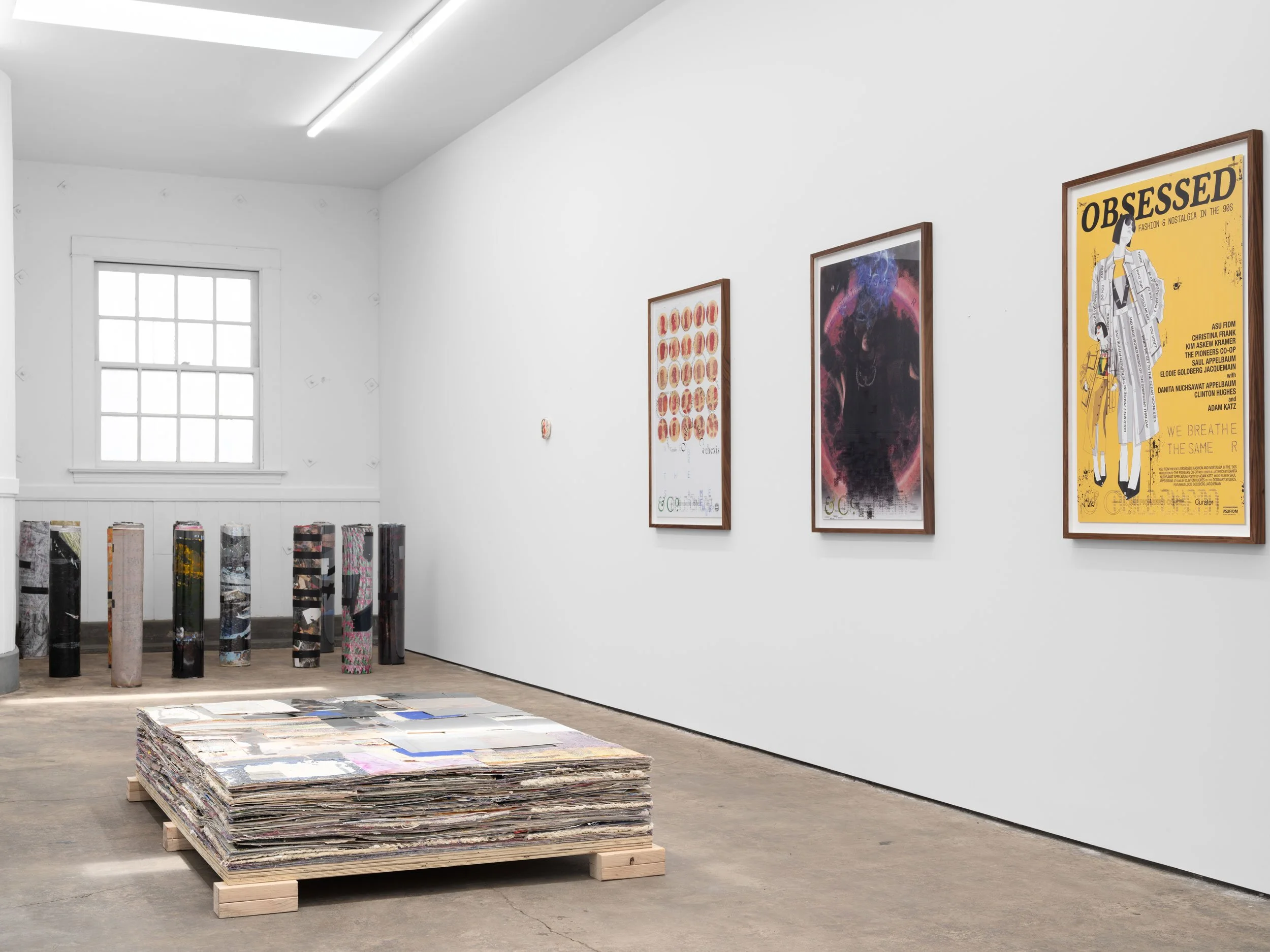
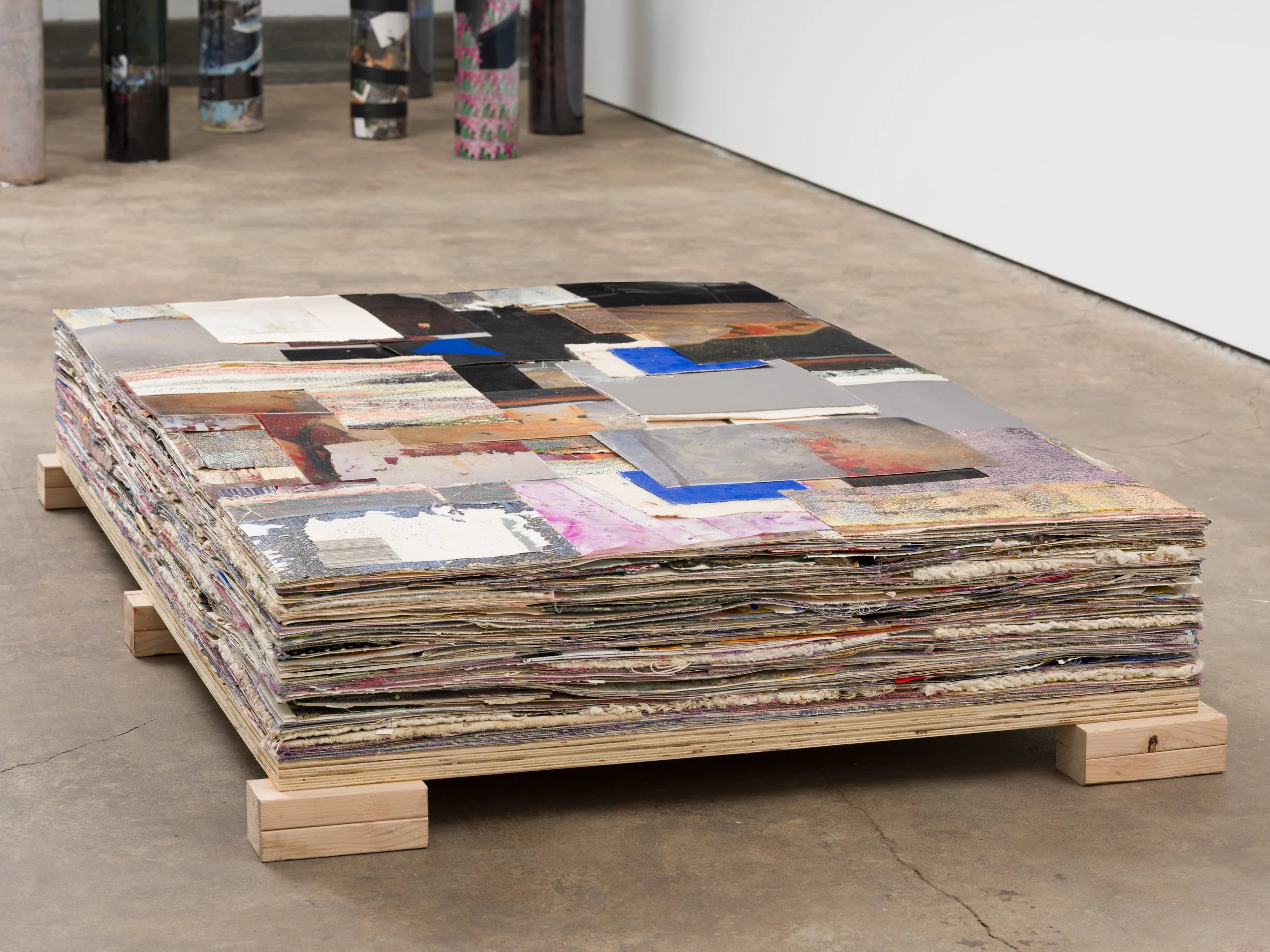
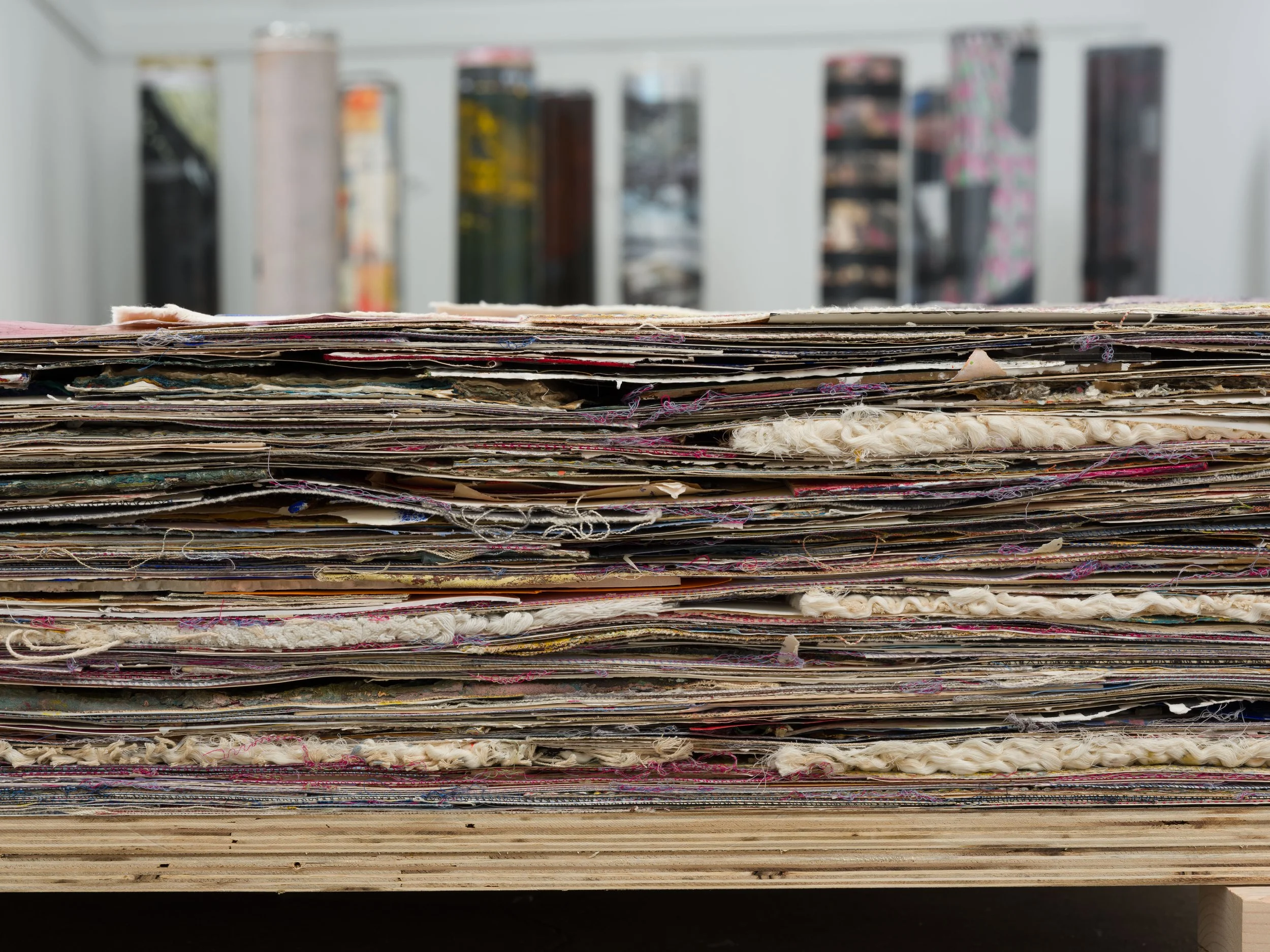
The records accumulated until they became part of the work themselves. A conversation became a scene. A scene became a document. A document became the material for something else. At some point, the archive stopped simply recording what we were doing and began participating in it.

I am less interested in preserving the past than staying inside it. Memory is not a storage system. It keeps changing.

(Temporary Roles)
We are artists, editors, filmmakers, designers, writers, and other people who move in and out of the structure. Someone can arrive as a participant and leave as a collaborator, a subject, or a character. Roles are temporary. Authorship is negotiable.

Every encounter leaves something behind: an image, a sentence, a friendship, a disagreement, a reason to make something else.

(Making and Being Documented)
The boundaries between making, documenting, and being documented are not particularly stable.

I wanted to make a film that could outlive its author. Then I realized the film might be a way of living before it is a record.

(The Pioneers)
This is where The Pioneers became useful. It is less a collective with a fixed membership than a way of making things together, allowing people and ideas to move between different forms without requiring them to settle into one.

The archive was supposed to document the relationships. Instead, the relationships became the archive.

(Everything Is a Form)
The film is one of those forms. So is the archive. So are the conversations, publications, exhibitions, and everything that happens around them.

I keep trying to organize everything into a coherent narrative. Everything I love seems determined to resist one.

(Sol Axiom)
Sol Axiom is attempting to turn all of this into a coherent narrative. This may be unnecessarily ambitious. The more we document ourselves, the harder it becomes to separate the story from the record of making it. Characters become collaborators. Collaborators become subjects. The archive begins to behave like another character in the film.

Maybe the real unit of value is not the institution or the object, but the relationship that allows something to continue.

(The Work Remains Unresolved)
We continue anyway. We meet, read, make, record, revise, and bring other people into the process. The network expands, the archive gets larger, and the question of who made what remains unresolved. This is not necessarily a problem. It may be the work.

I don't know what The Pioneers will become. I only know that we have to keep making it together.