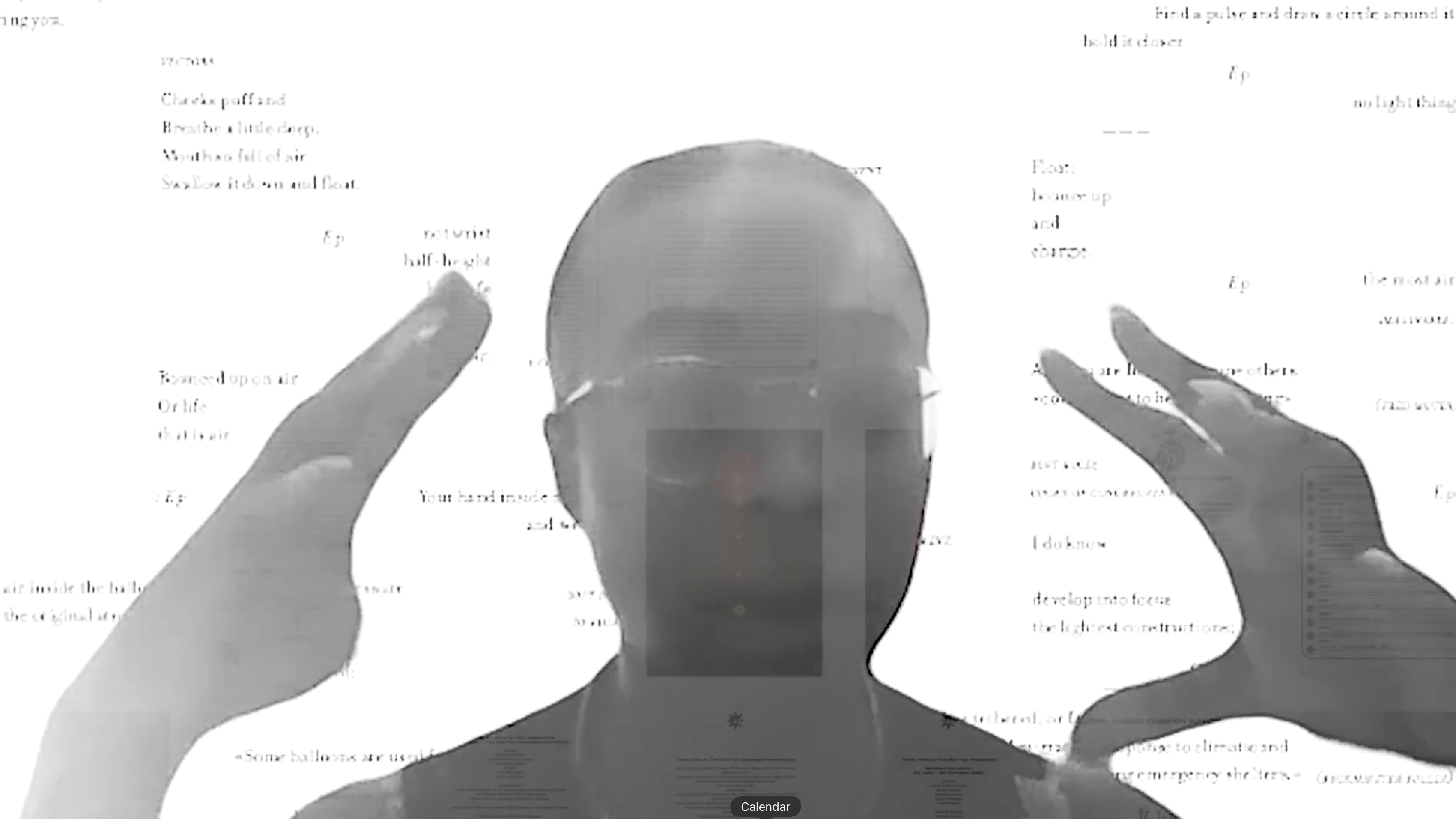
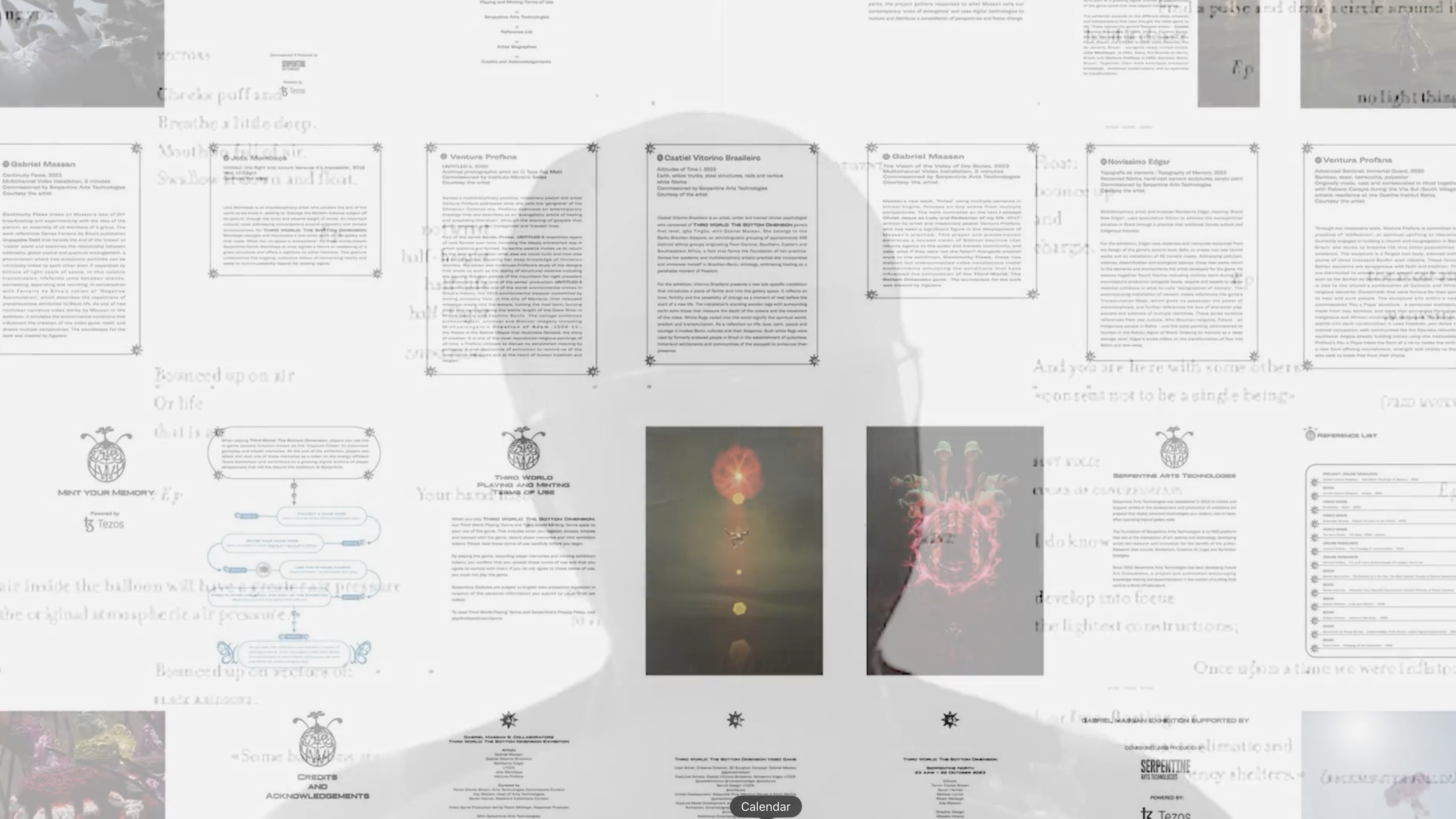
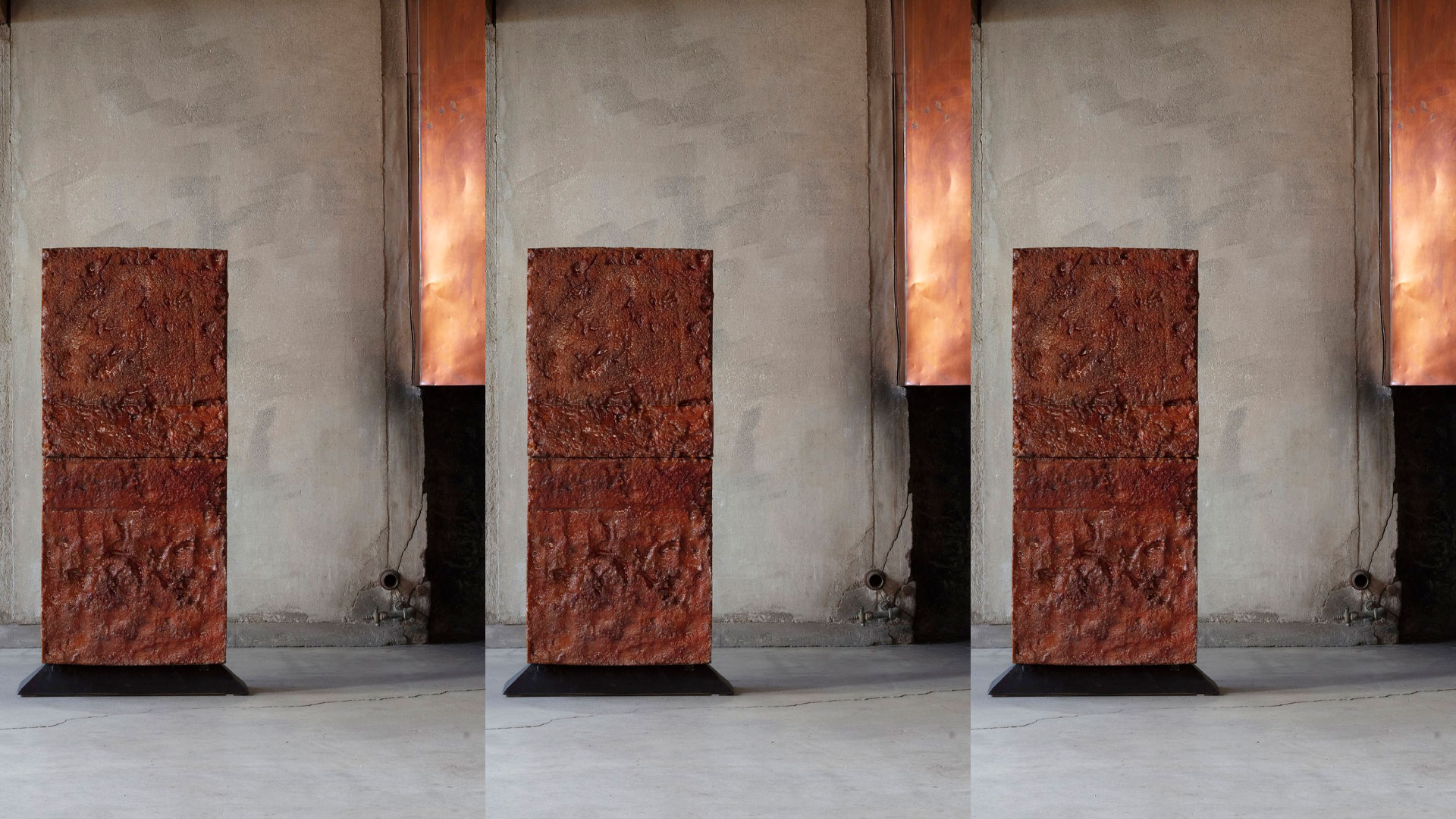
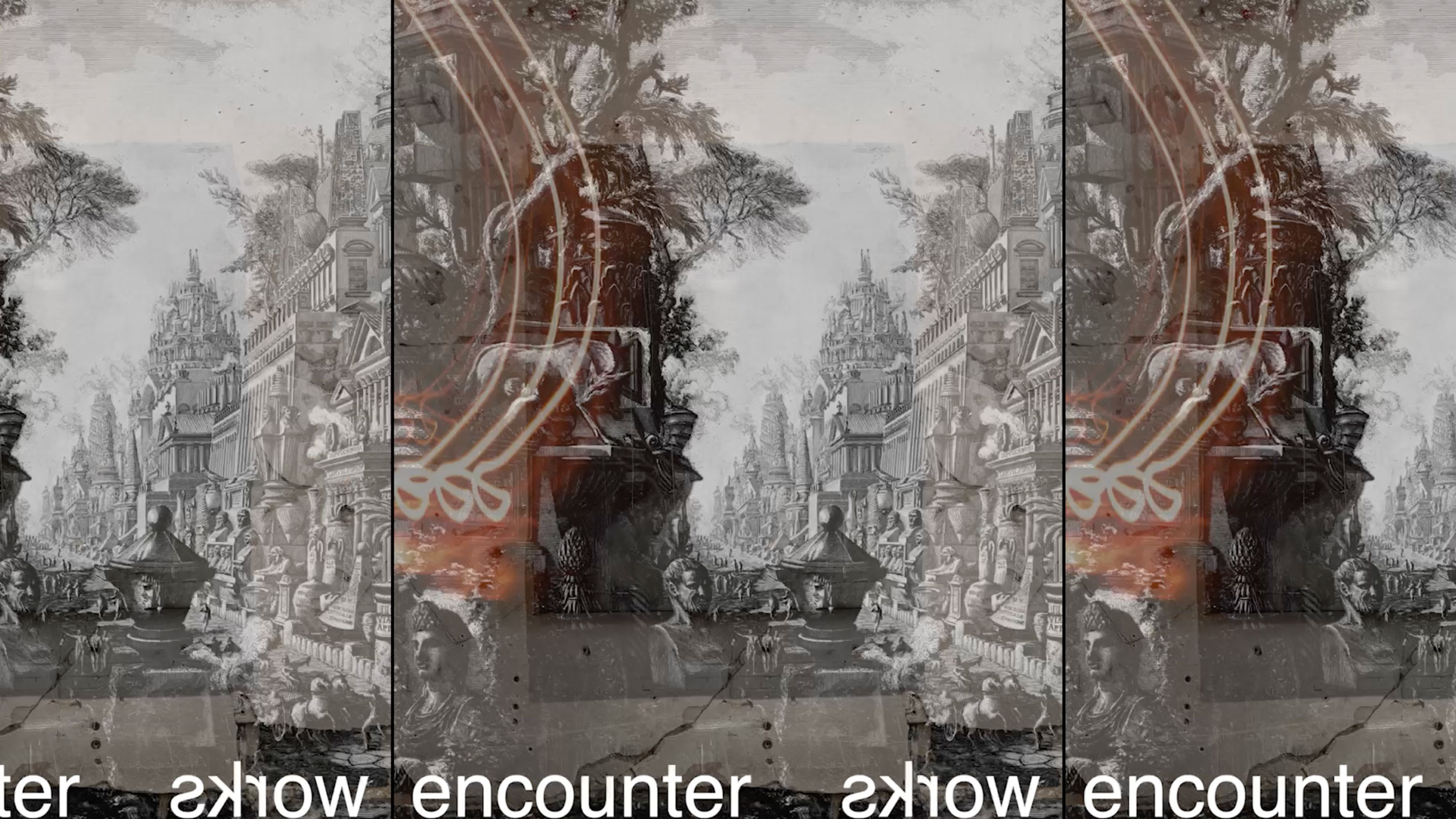
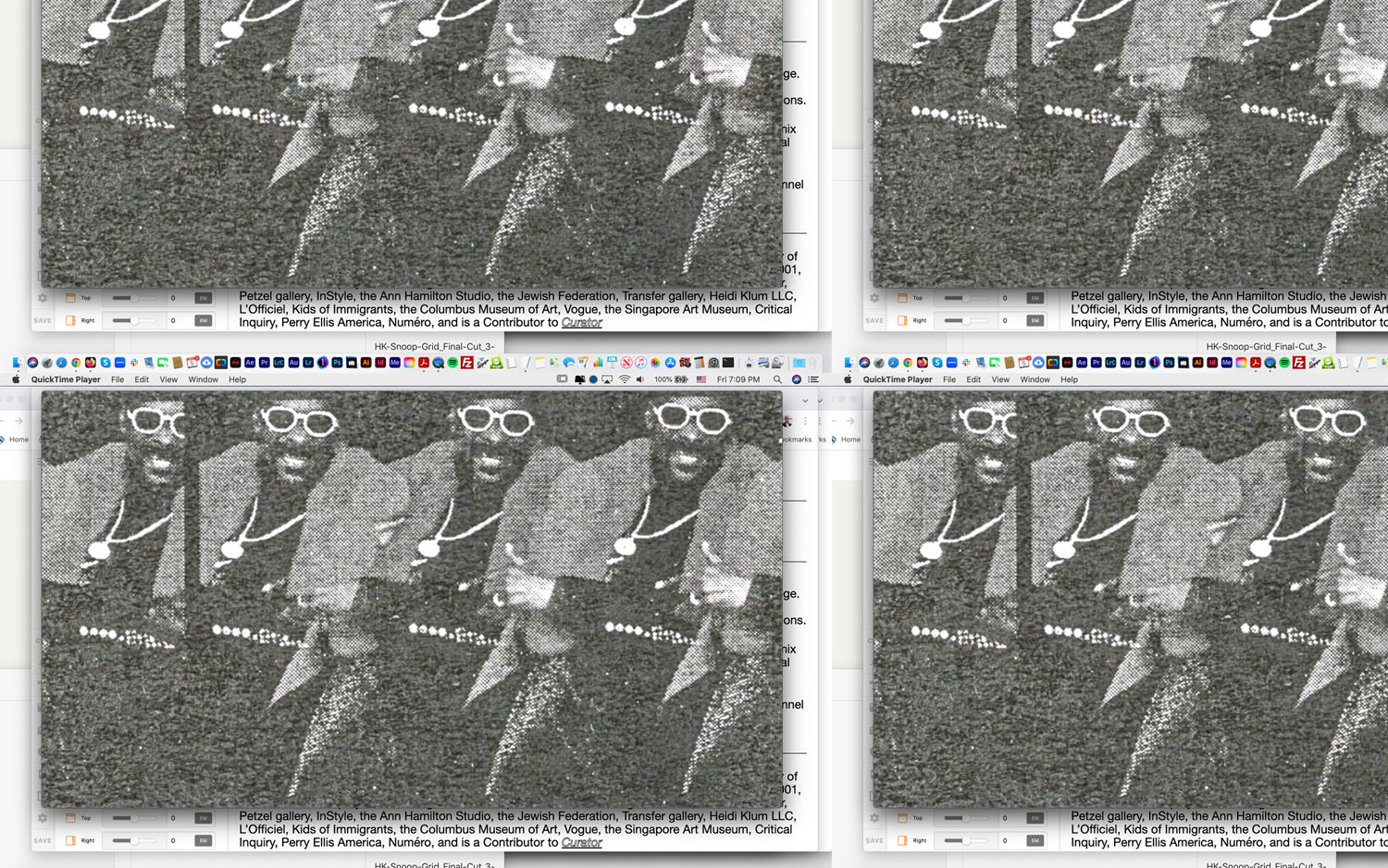
This sequence unfolds through distance and setting rather than spectacle. The conversation with Tamar takes place over video conferencing, with me positioned in the grand ballroom of the Los Angeles Athletic Club and Tamar joining from her flat in London. I’ve always been drawn to old-school elegance, and the ballroom’s worn grandeur becomes a quiet counterpoint to the intimacy of a screen-based exchange. The locations aren’t emphasized, but they register as atmospheres shaping how the dialogue unfolds.
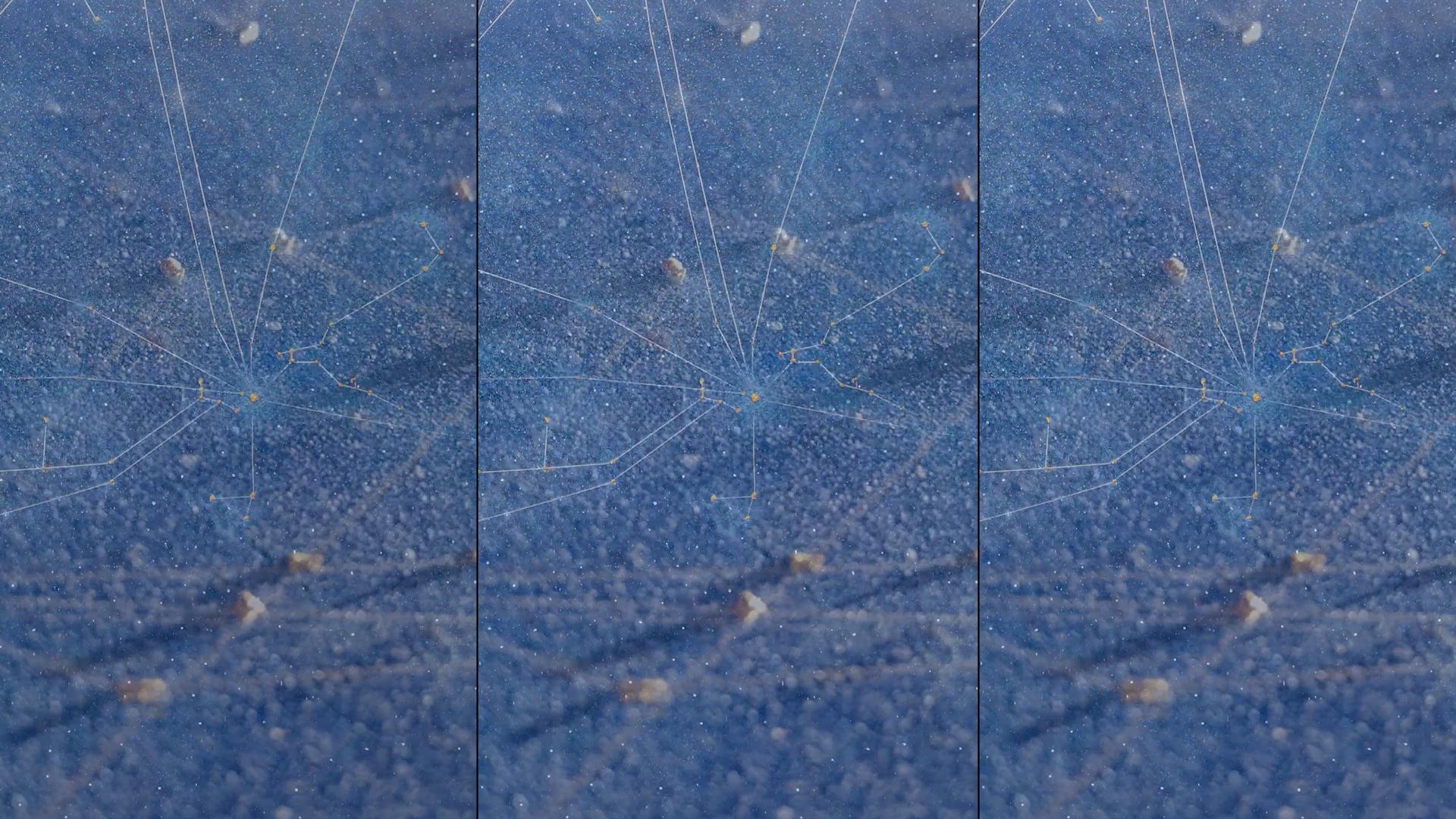
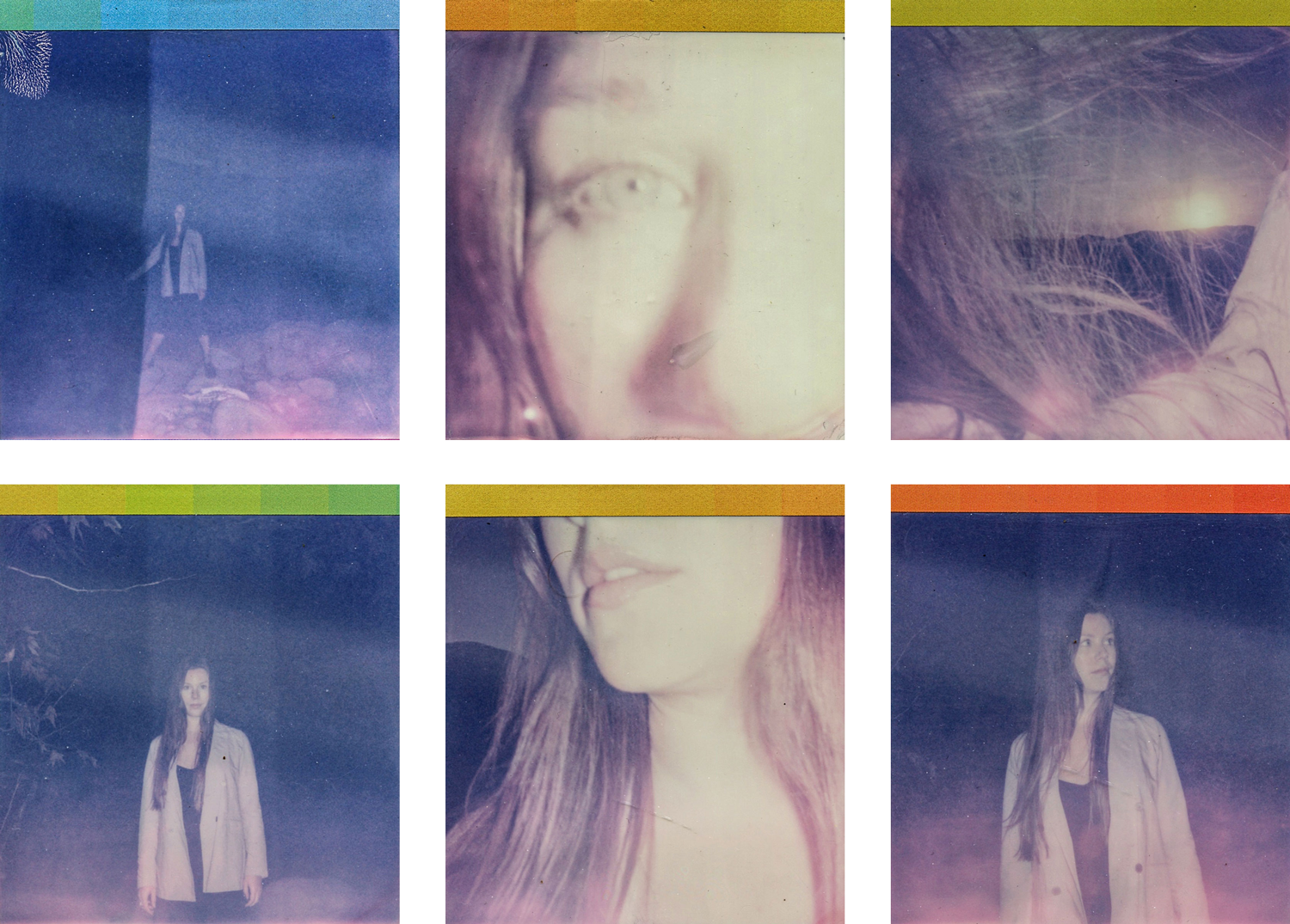
As we move through the interview, Tamar and I preload and change her screen backgrounds, treating them less as decoration than as shifting narrative conditions. Each background introduces a subtle reframing, a reminder that stories are always situated and mediated. The act of changing them mid-conversation makes the structure visible, like adjusting the rules of a game while it’s being played.
The questions circle a familiar pressure: every artist is expected to carry a compelling story, yet the accumulation of stories risks collapsing into repetition. Rather than resolving that tension, the exchange lingers inside it. Across time zones and layered screens, the conversation becomes a shared space where elegance, technology, and uncertainty coexist, asking which stories endure and which are simply rehearsed because they are expected to be told.

.svg)