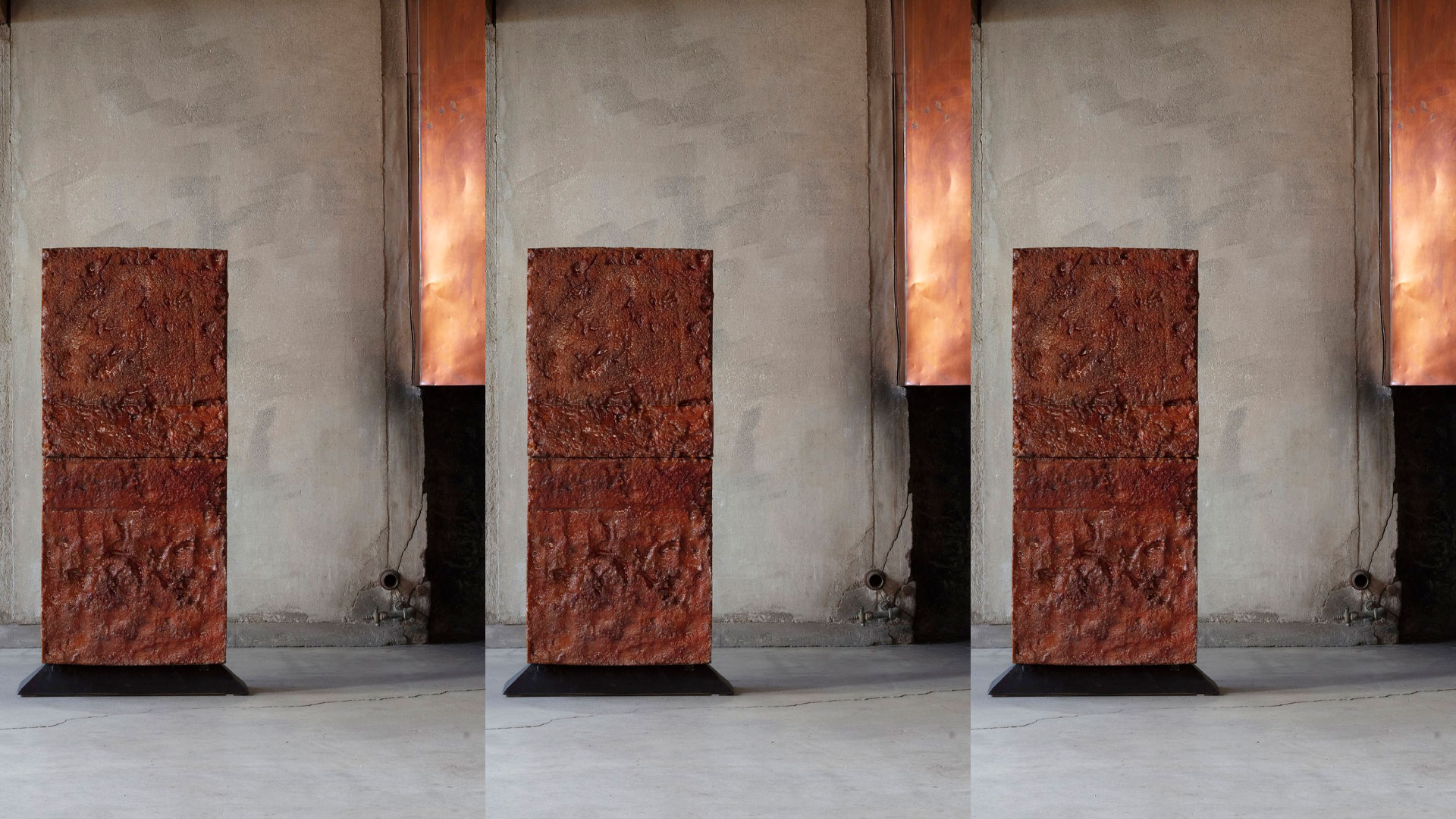
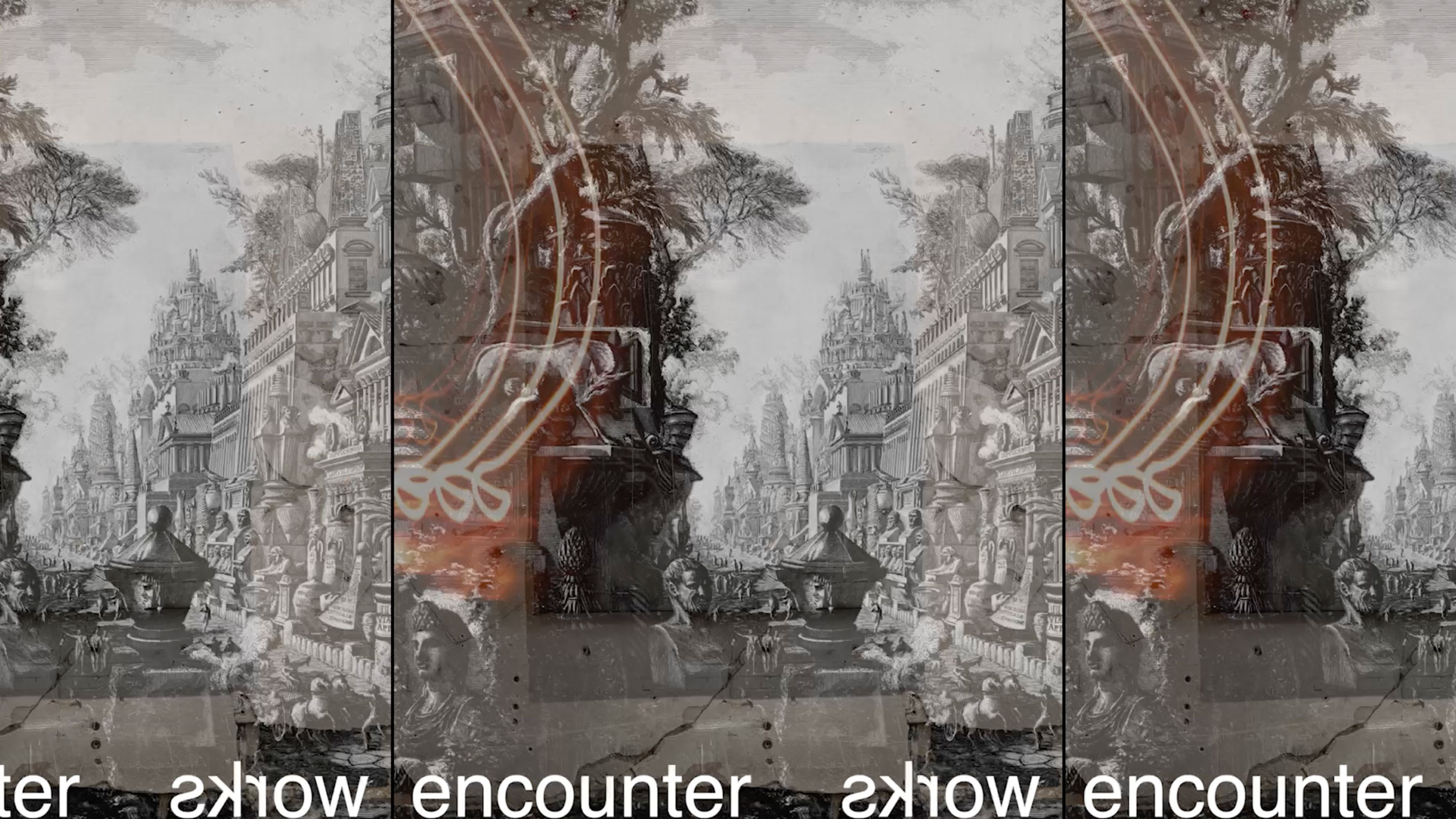
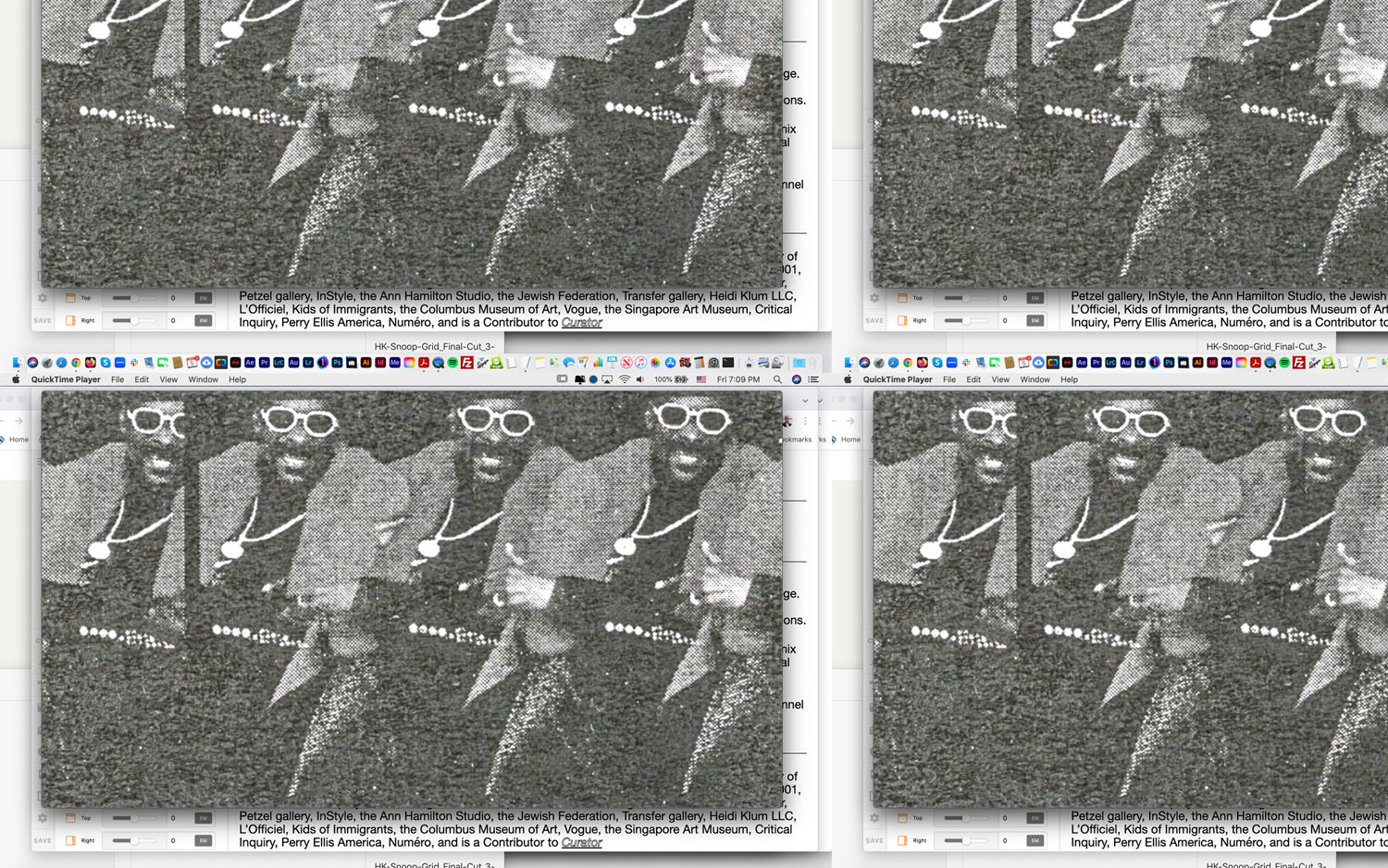
This montage is built through contrast and acceleration. I move rapidly between materials from The Pioneers Co-Op Archive and the calm, ordered spaces of the MAK Center at the Schindler House, allowing hyper-edits to collide with stillness. South LA storefront aesthetics, dense with color, signage, and improvisation, cut abruptly into light, fabric, and architectural restraint. The shifts are intentional and slightly disorienting, using speed and compression to register difference before interpretation sets in.
As the sequence unfolds across the rooms of the MAK Center, the edits begin to slow. Sunlight fills the space over time, fabric barely moves, and the sculptures settle into a kind of architectural quiet. Against this, fragments of the archive return, carrying with them the visual logic of the 999 Dollar Store project, where informal design, humor, and neighborhood vernacular drive decisions about value and presentation. The contrast is not framed as opposition but as coexistence, two economies of attention operating at different speeds.
What interests me here is how these environments speak to one another through the cut. The hyper-edited transitions make visible the distance between improvisational commercial culture in South LA and the measured calm of the Schindler House, while also suggesting their interdependence. By moving back and forth between them, the film treats architecture, design, and circulation as mutable systems, where meaning is shaped as much by rhythm and transition as by objects themselves.

.svg)