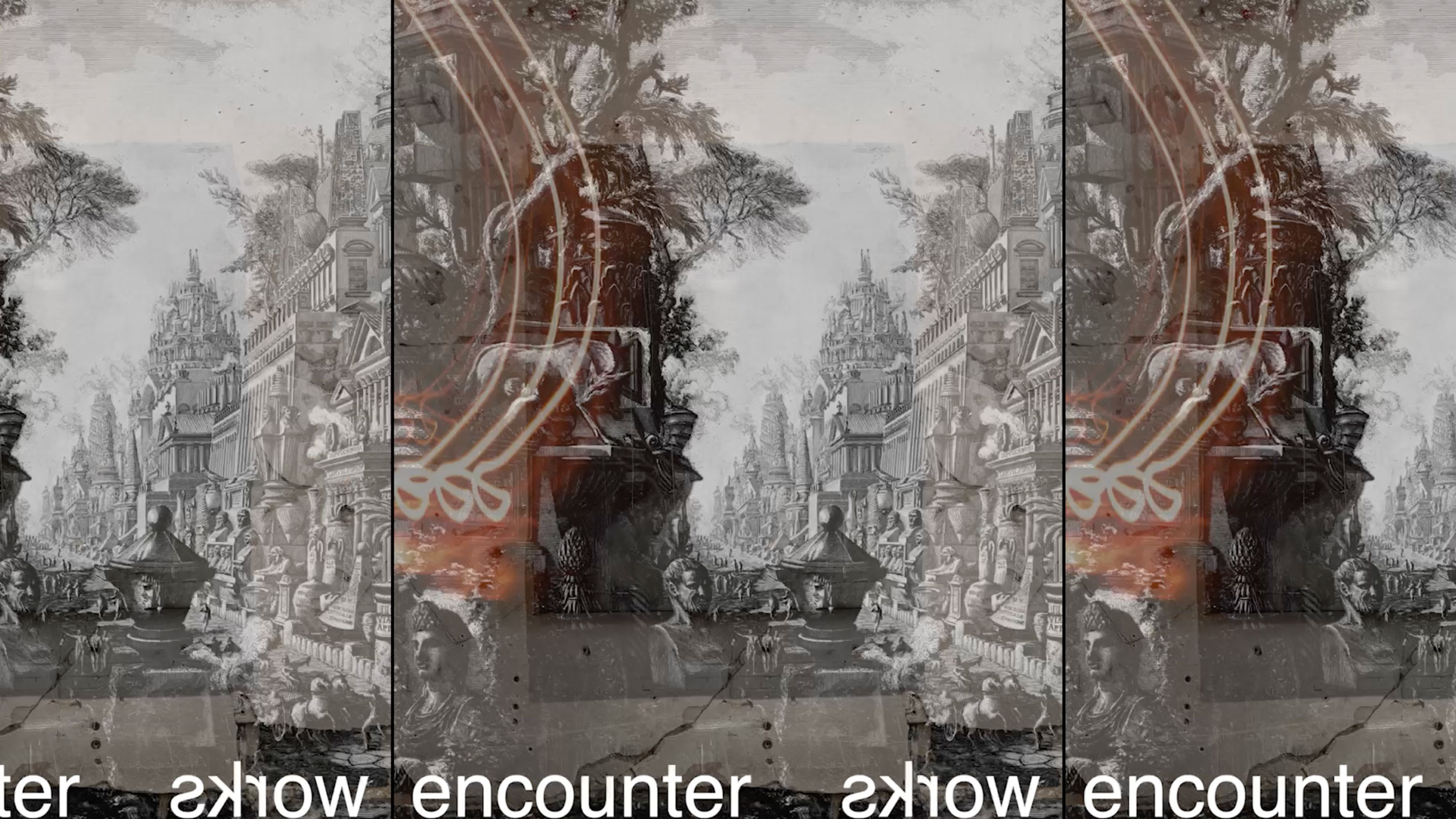
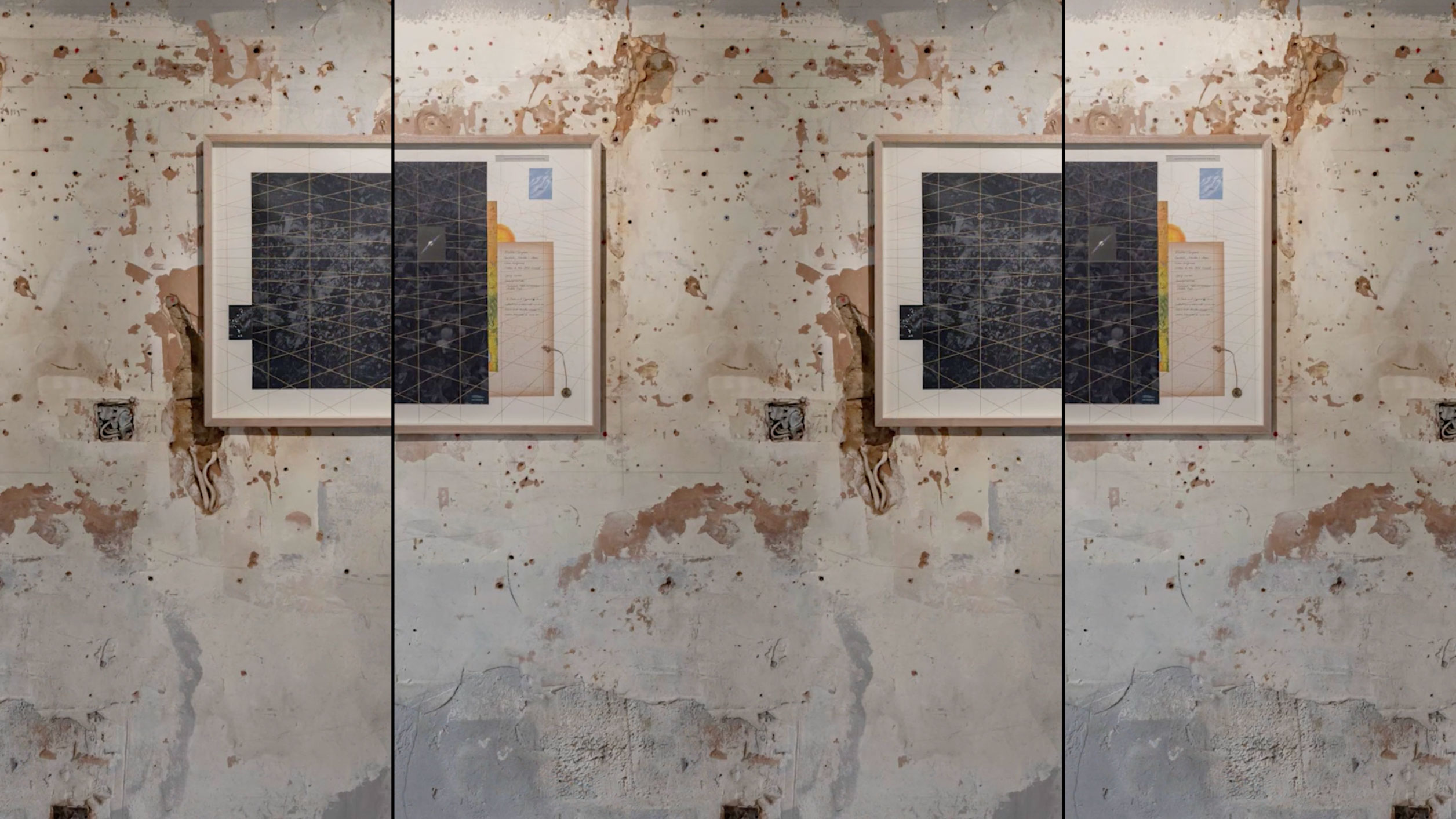
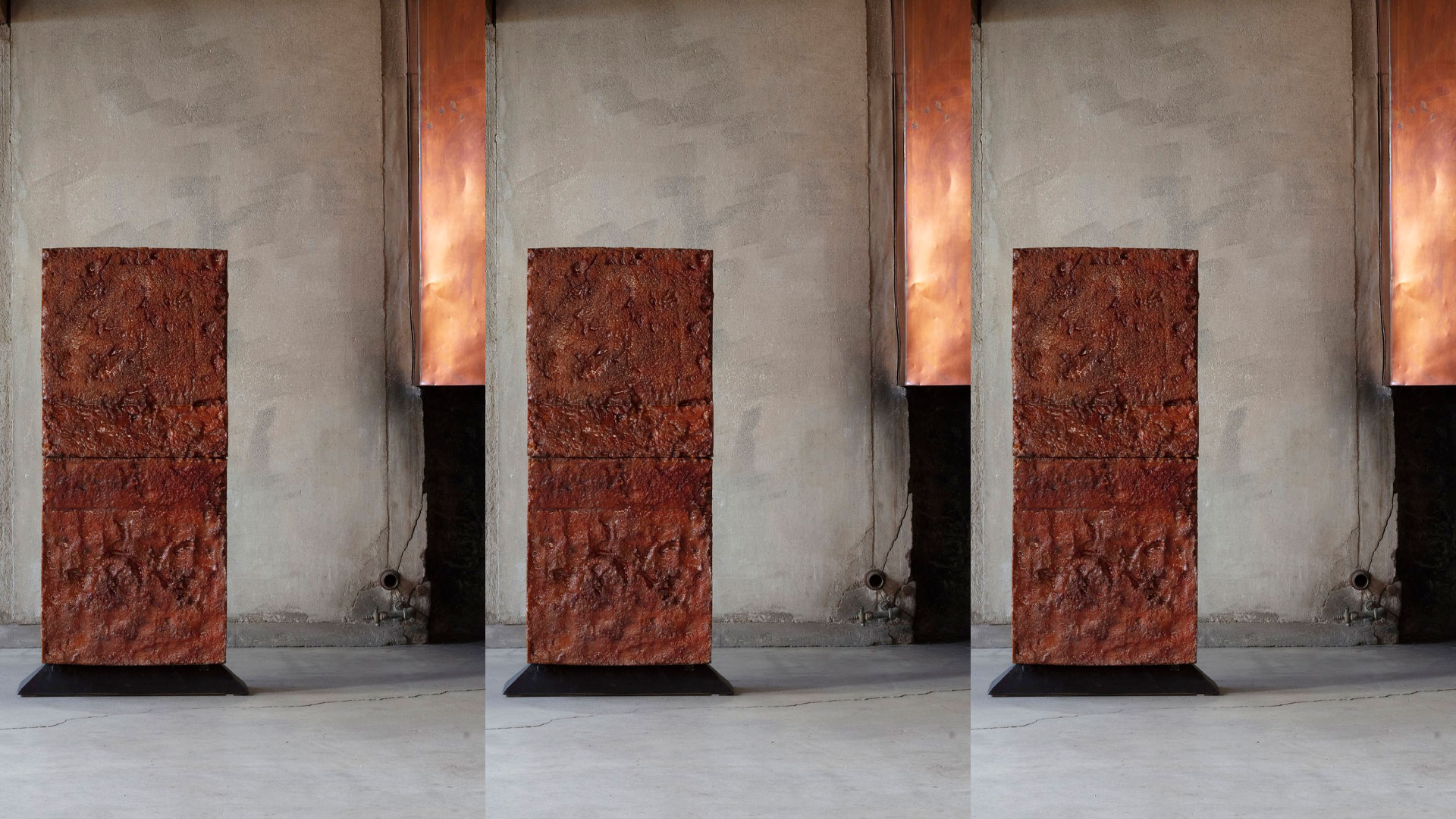
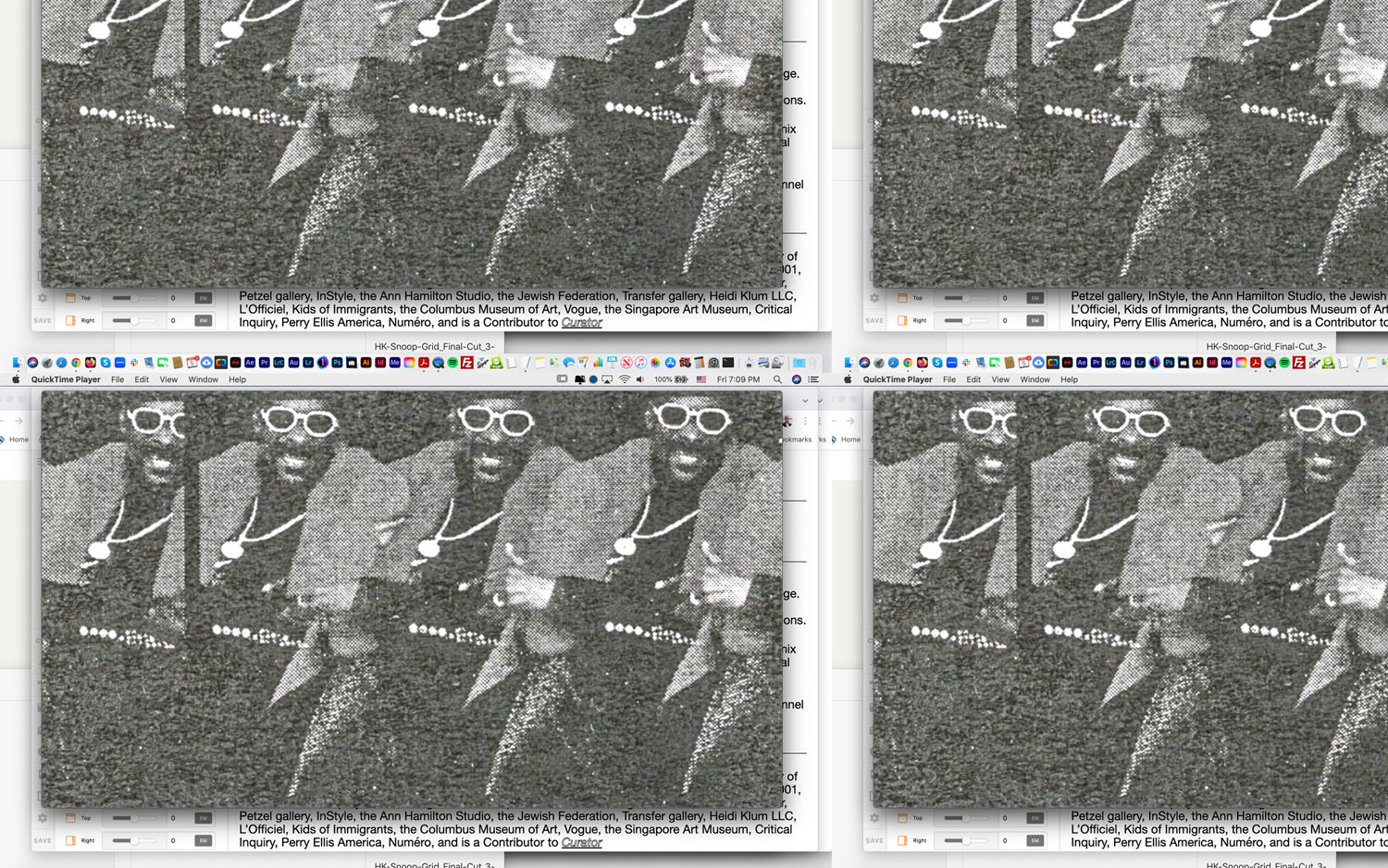
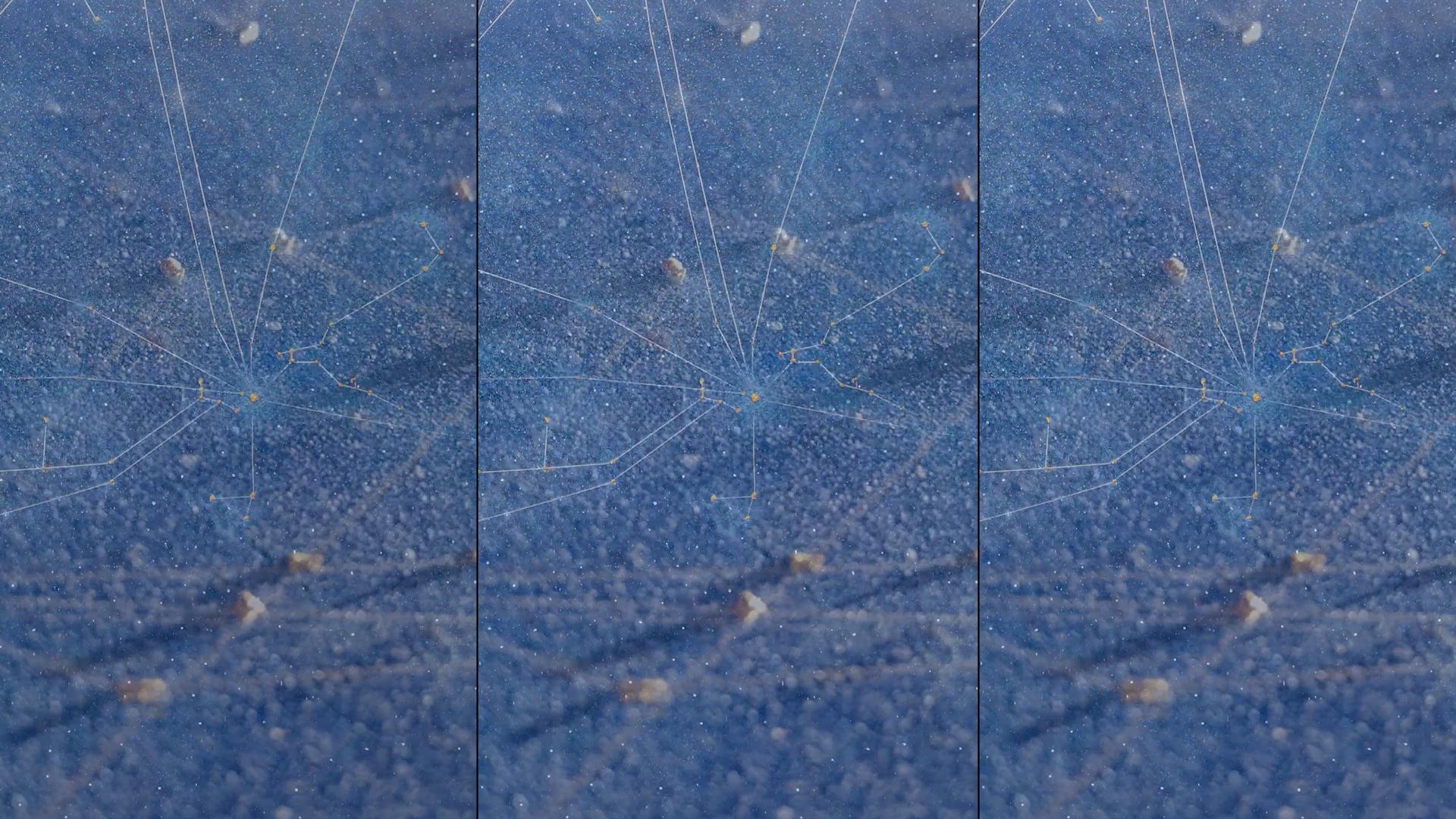
How to Disappear Completely at Jetlag Projects presents itself as a carefully constructed exhibition. The organizers choose the artists with precision, install the work with real care, and shape the space with a clear sensitivity to material, pacing, and restraint. The exhibition opens by asserting that disappearance is not a theme or an image, but an operation, a way to step away from the constant demand to explain and resolve. At the same time, the organizers rely on a familiar curatorial move: they narrate how each artist should be read so the exhibition can function publicly and visibly. In doing so, they claim authorship and visibility. This move does not weaken the exhibition; it creates a paradox. Like Piranesi’s ruins, which actively stage decay rather than merely record it, the exhibition produces disappearance through framing, circulation, and design instead of letting it simply occur.
This paradox becomes clearer if we think of the exhibition as operating through the logic of the film dissolve. In cinema, the dissolve allows one image to bleed into another, softening authorship and destabilizing origin. It is not a cut but a gradual transfer, a visible overlap in which meanings coexist before separating again. Piranesi’s etchings function similarly: architecture folds into ruin, ruin into fantasy, fantasy into documentation. The dissolve becomes a metaphor not only for visual transition but for the bleed of authorship that gathers around an exhibition, press, essays, intellectual property, media fragments, each layering onto the next. Through montage and sequencing, meaning is not fixed but produced combinatorially, as images and texts rearrange one another, sometimes clarifying, sometimes staging their own disappearance. The exhibition, in this sense, becomes less a stable object than an ongoing edit.
The Victorian house intensifies this logic. The space already organizes intimacy, control, and decay, closer to a lived-in ruin than a neutral container. Informal art collectives move into spaces after official use fixes their purposes and then abandon them, allowing meaning to emerge through use, friction, and time. The exhibition gestures toward this same possibility. It invites looseness. It allows symbols to wear out. It makes room for people to share space without forcing resolution. Disappearance here does not signal loss. It opens space.

.svg)