A.2 | EP.5 | Openings

(Narrative Arc | Logline)

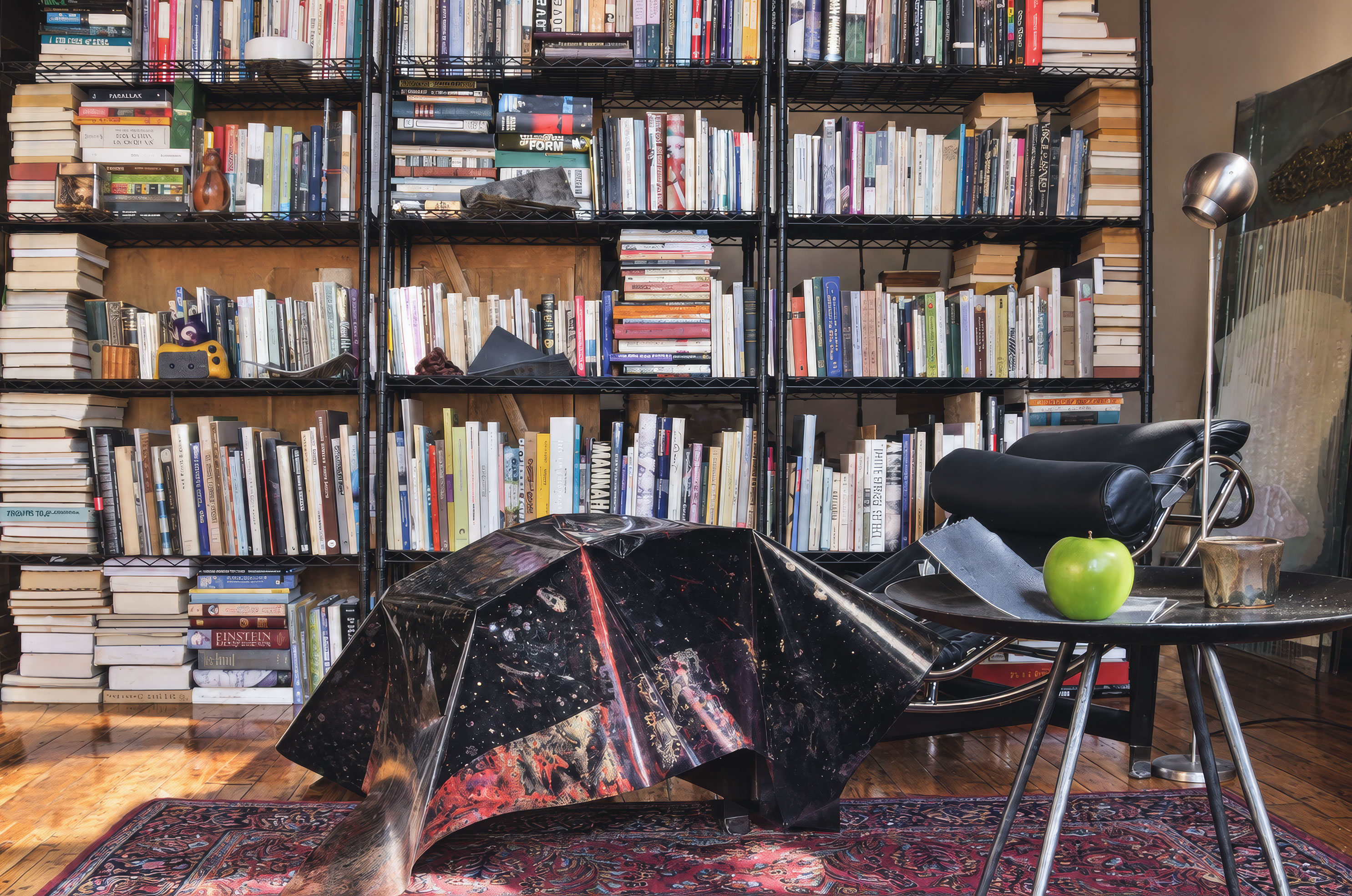
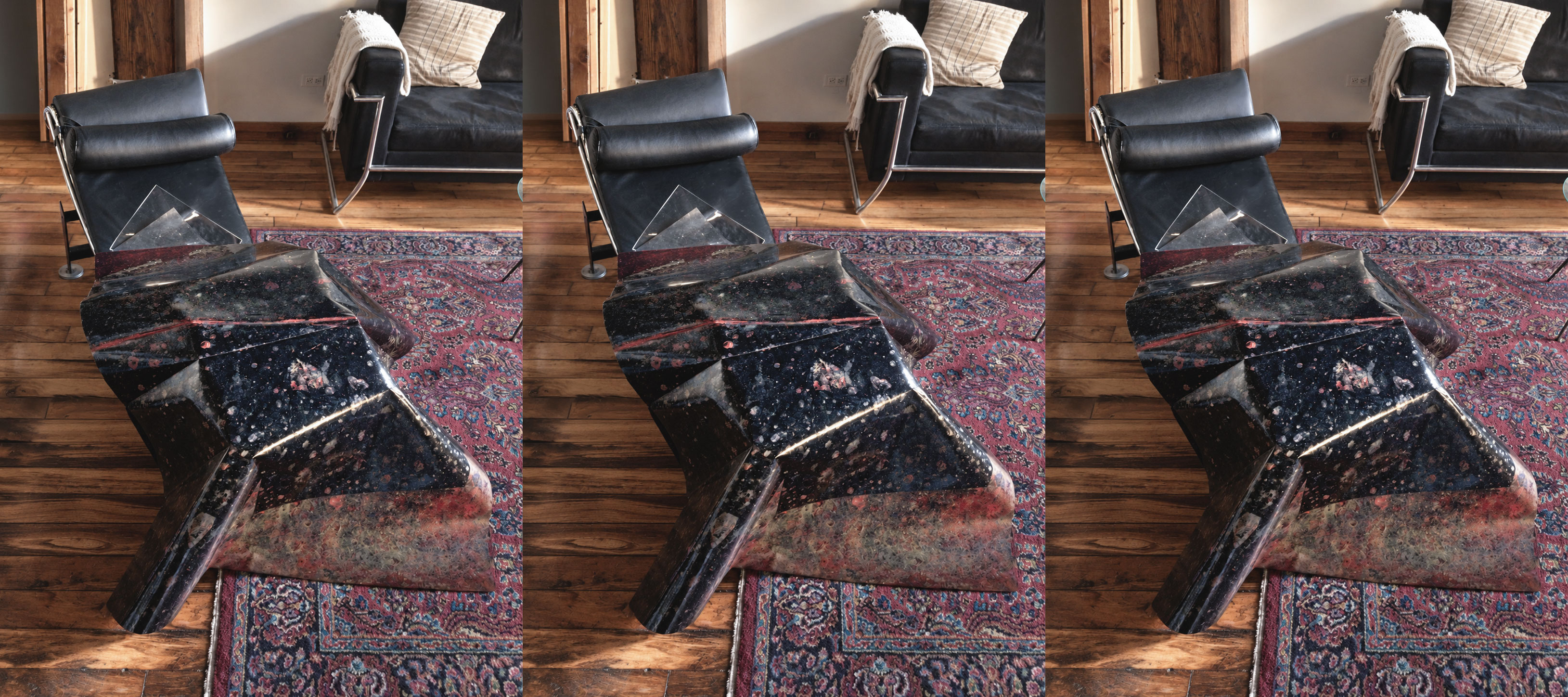
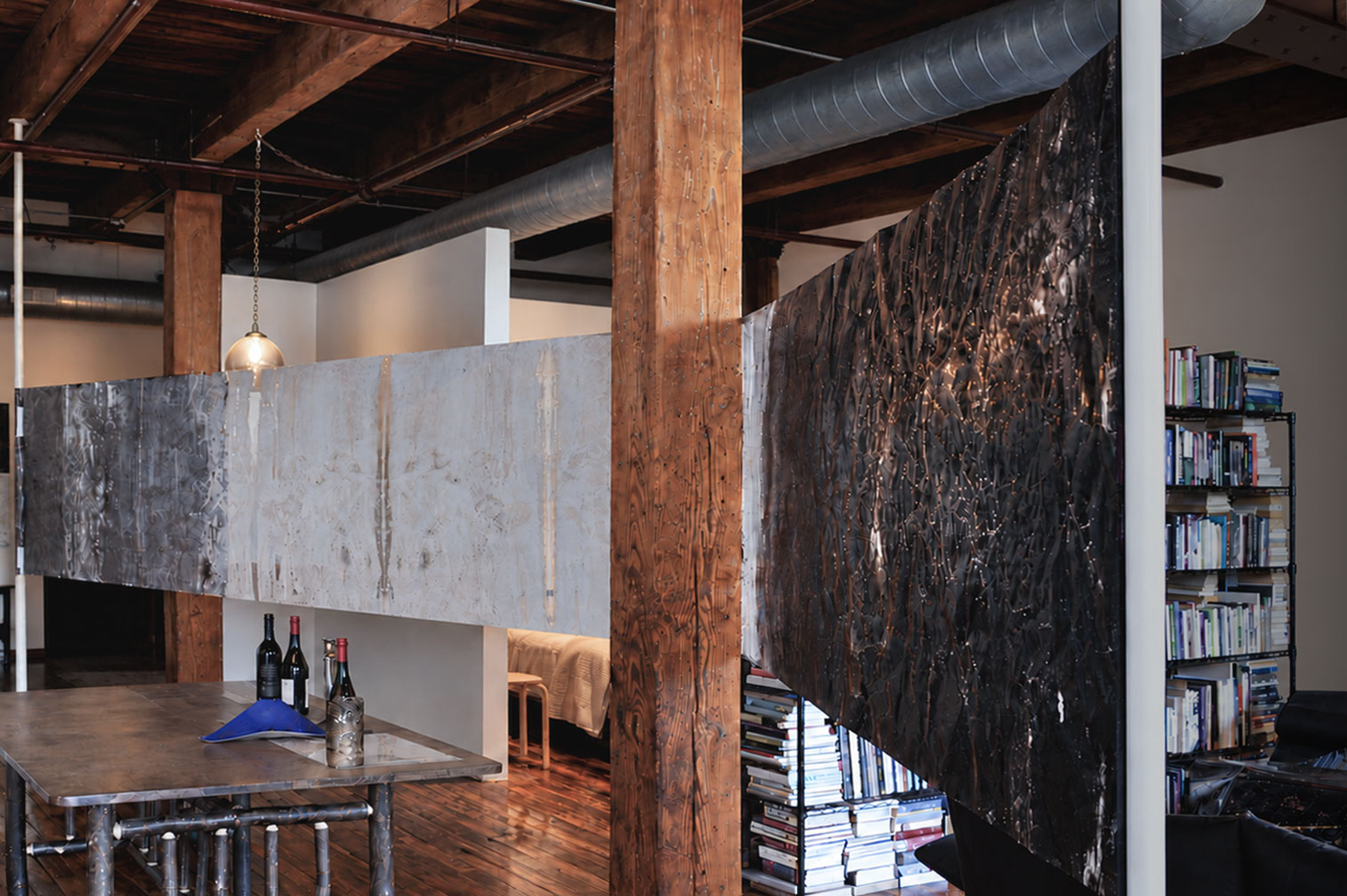
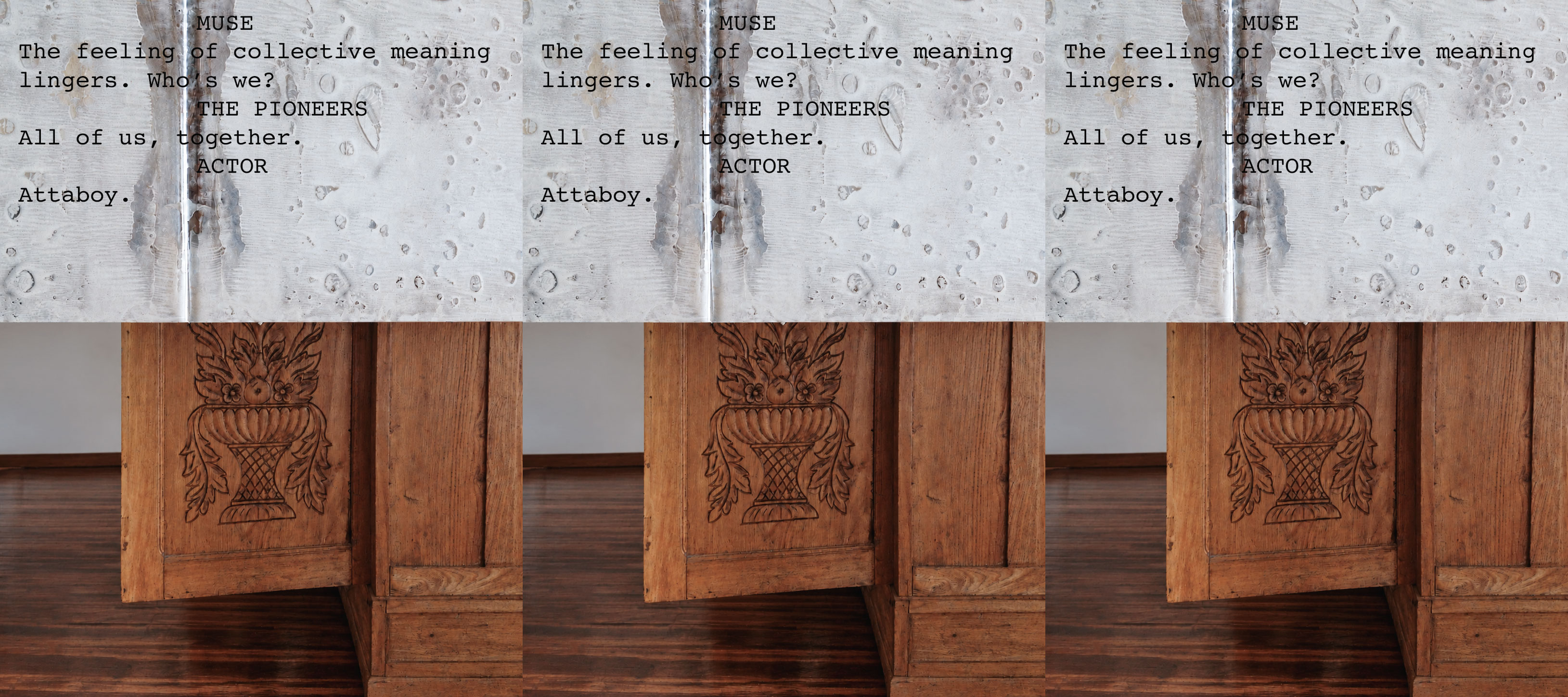
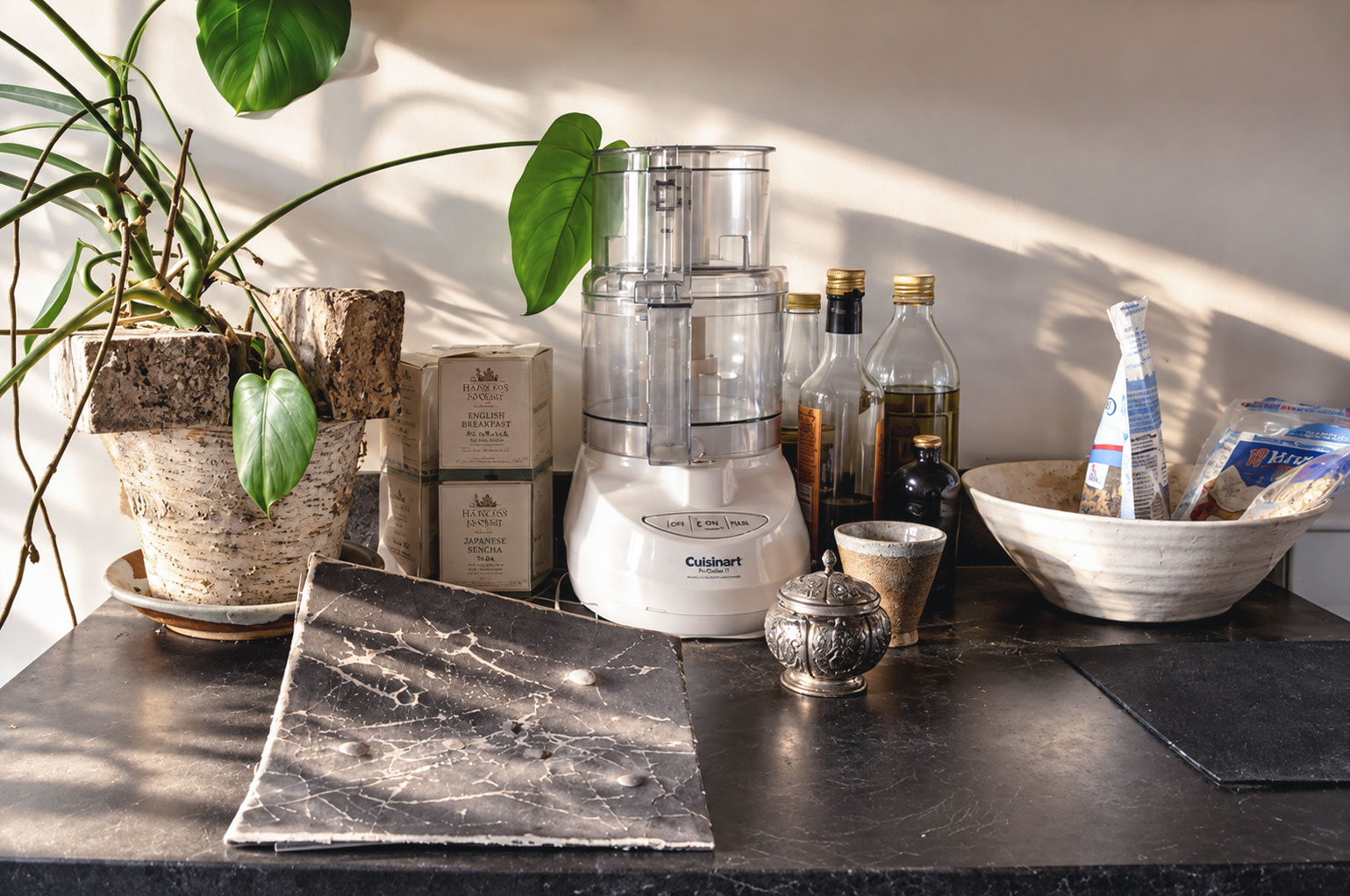
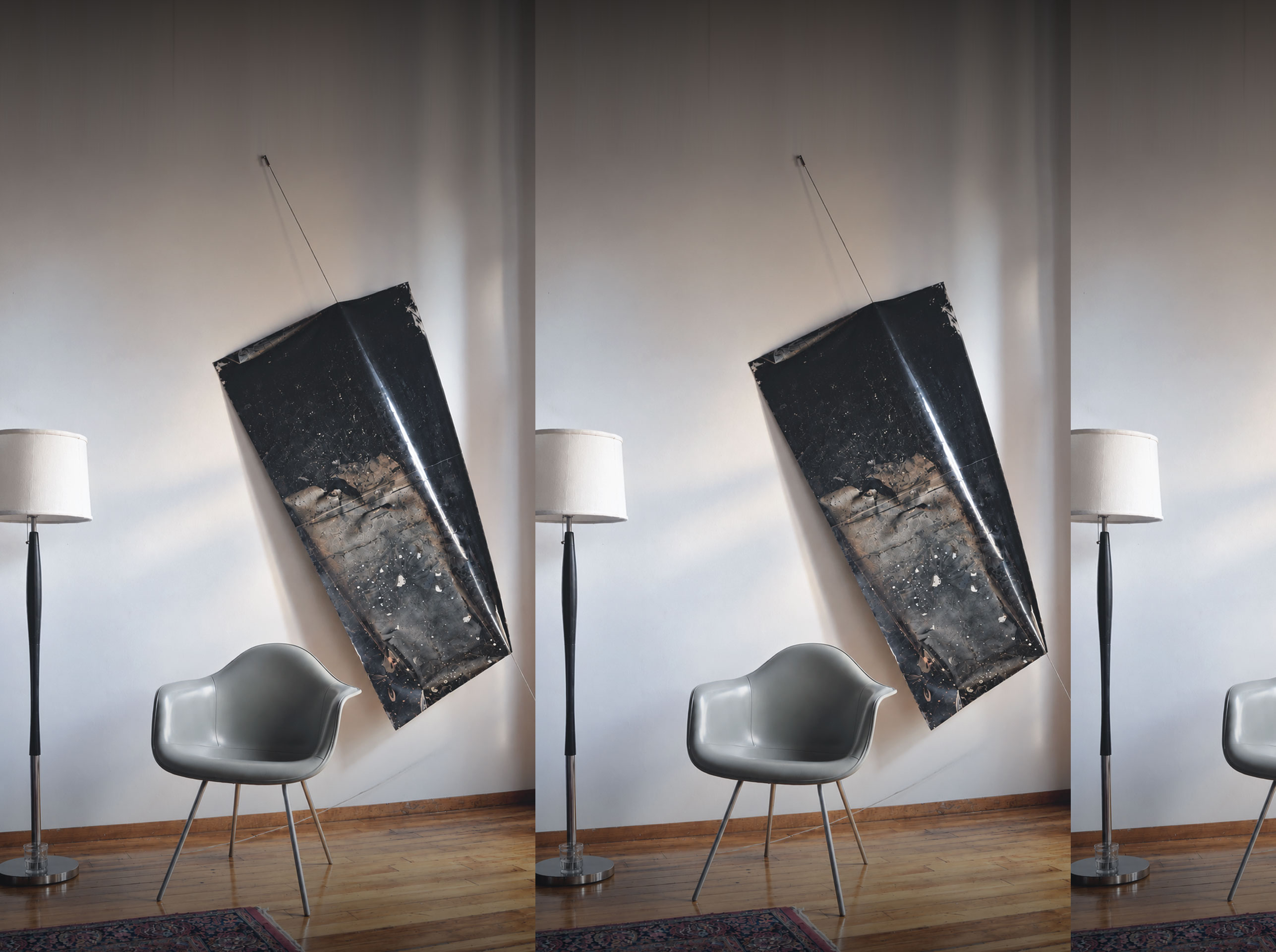
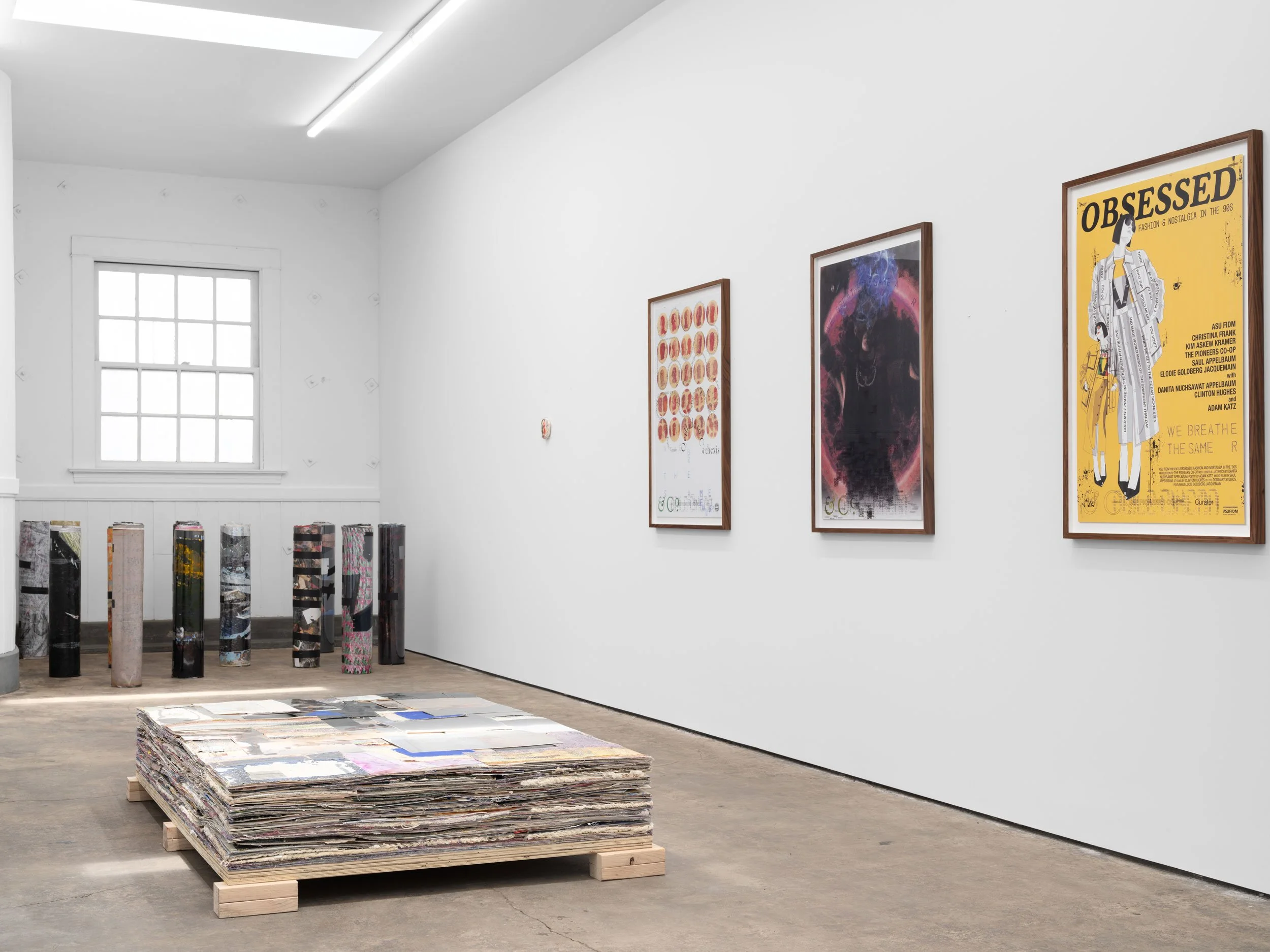
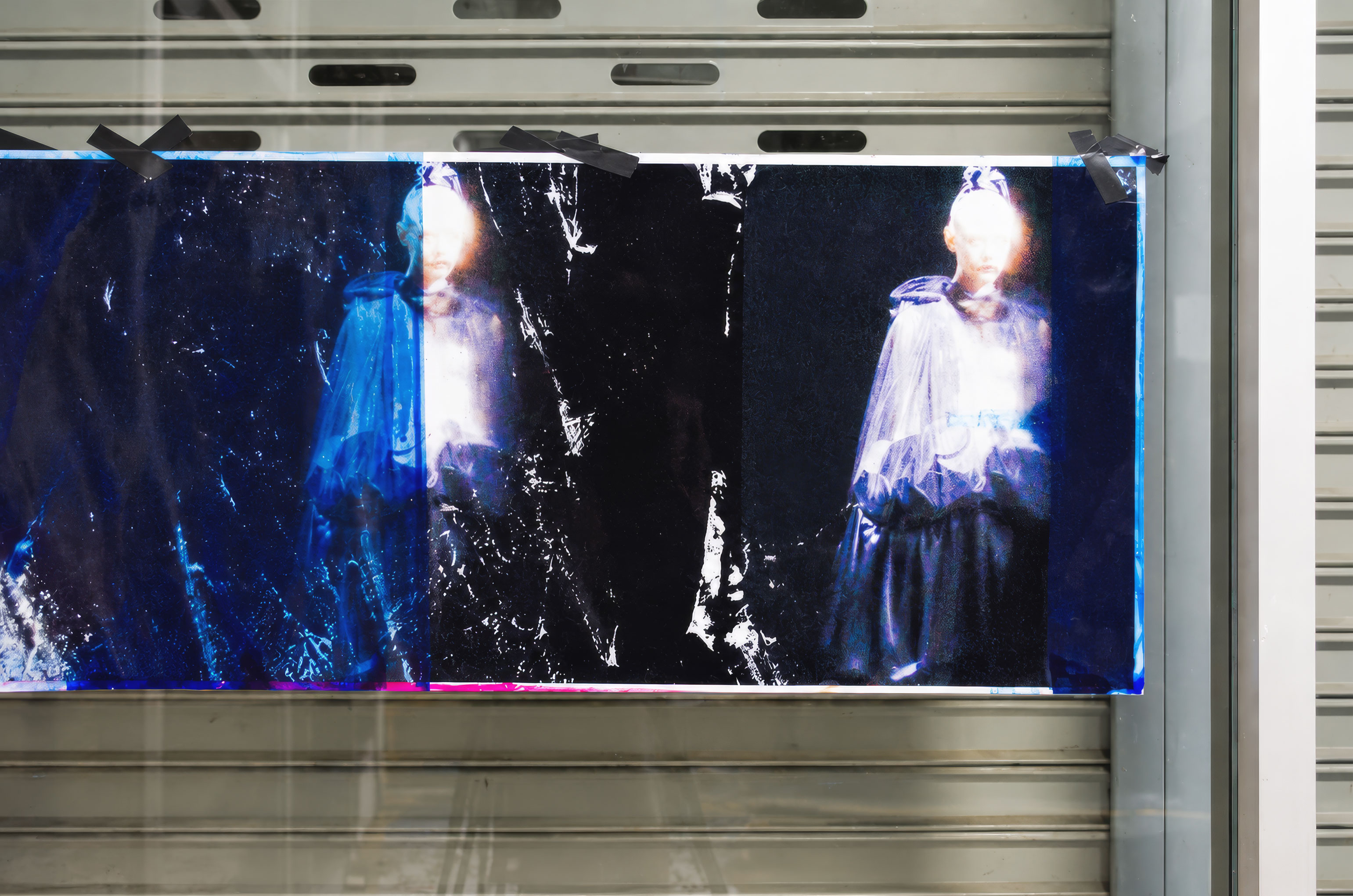
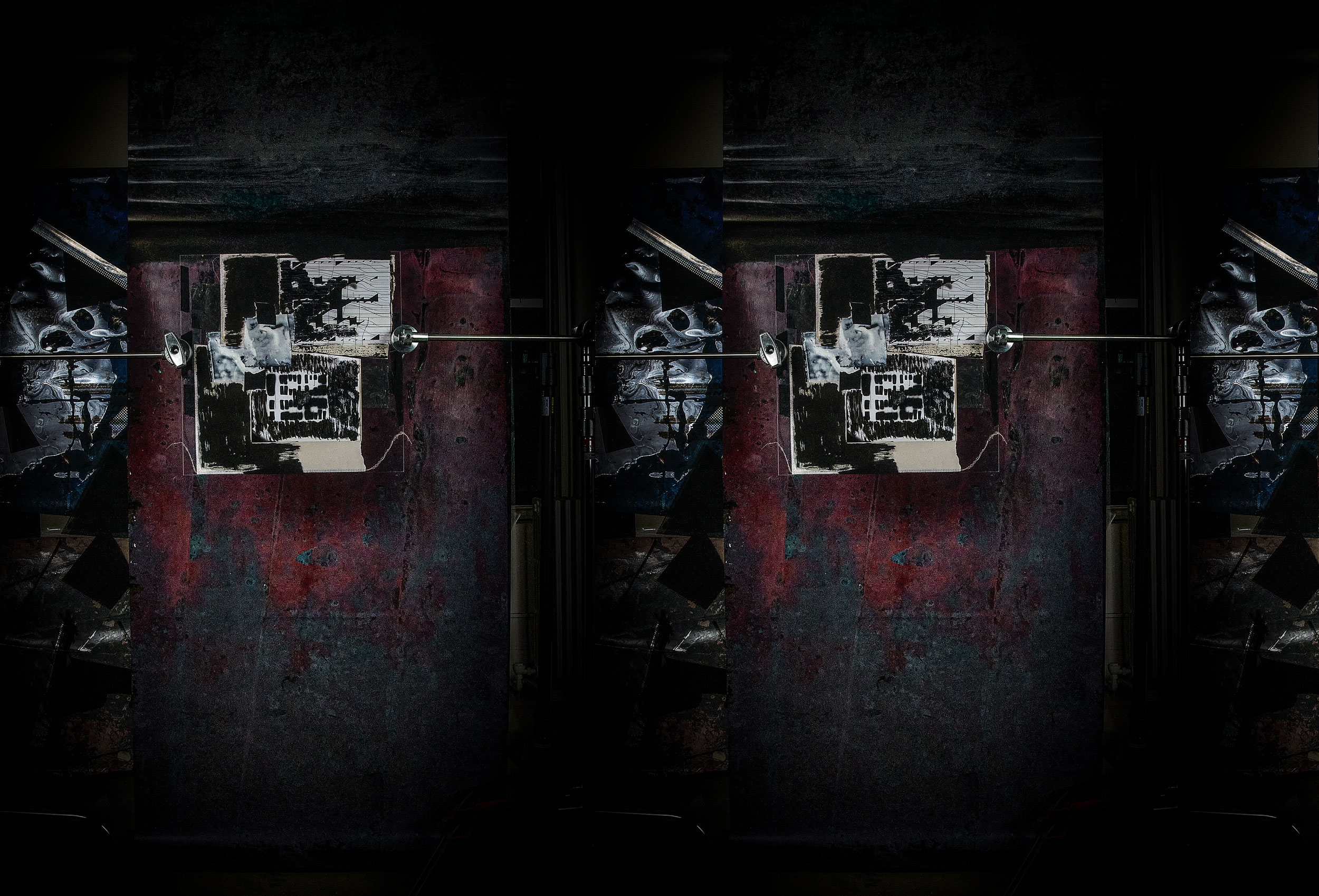
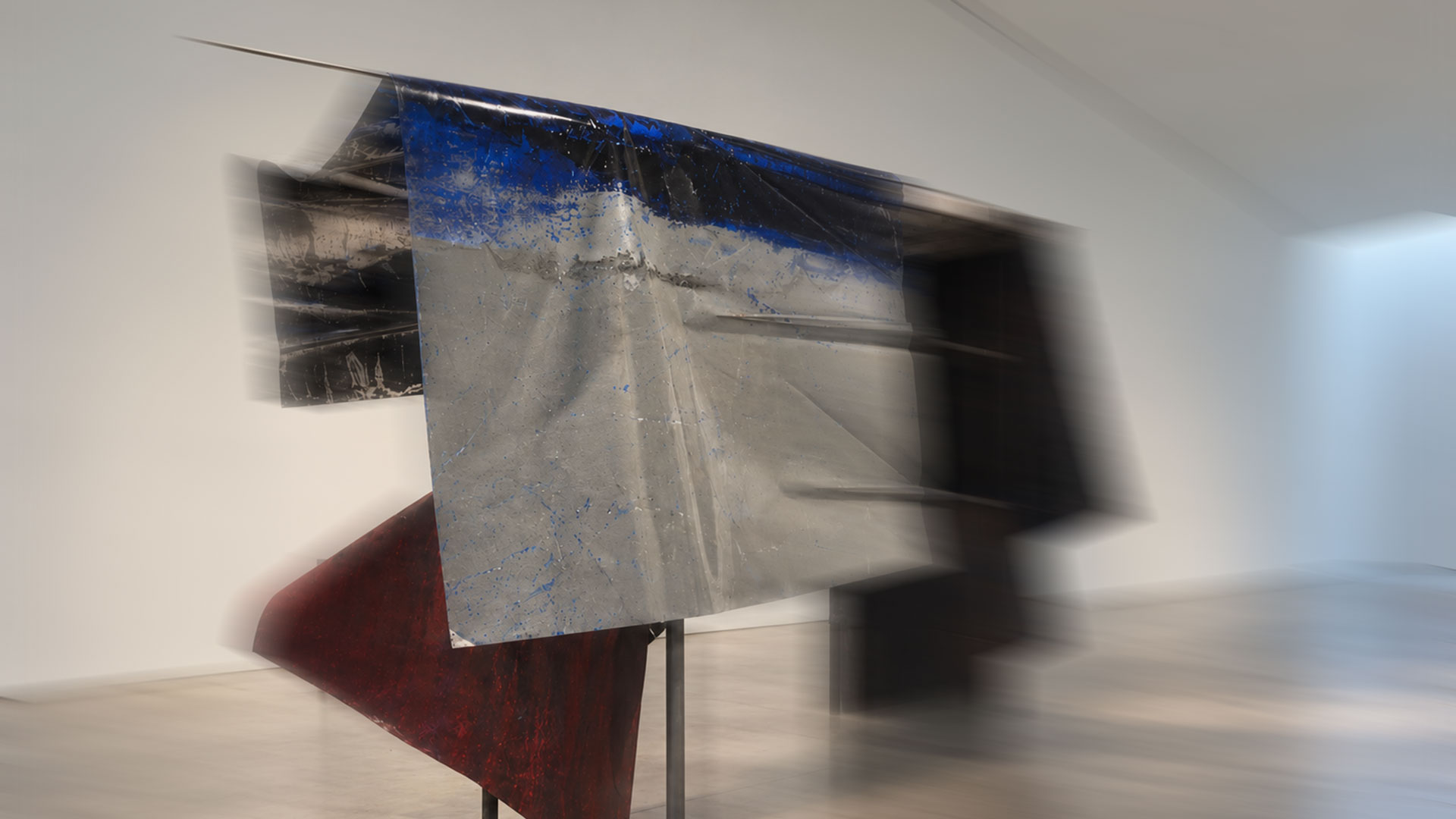
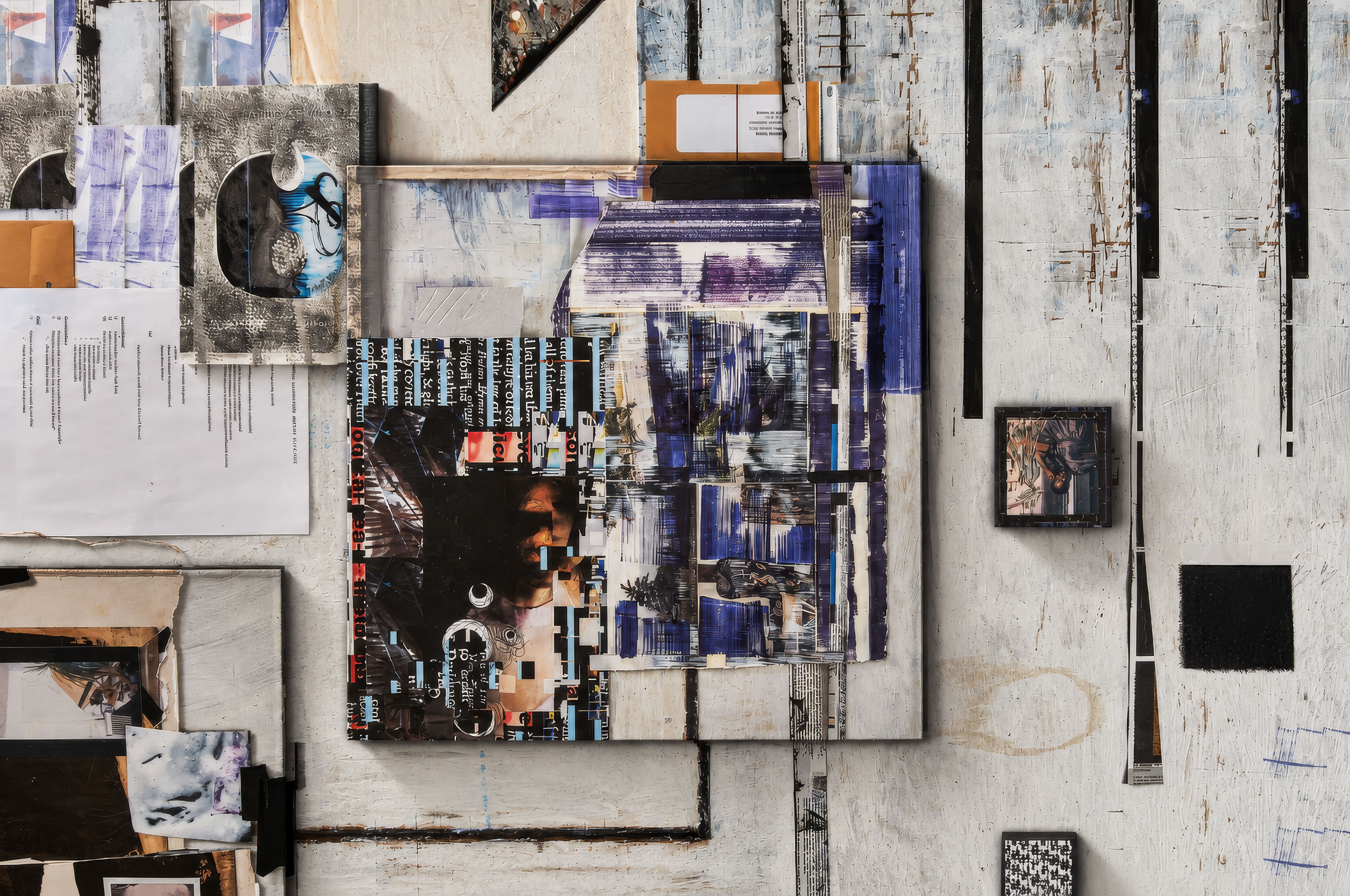
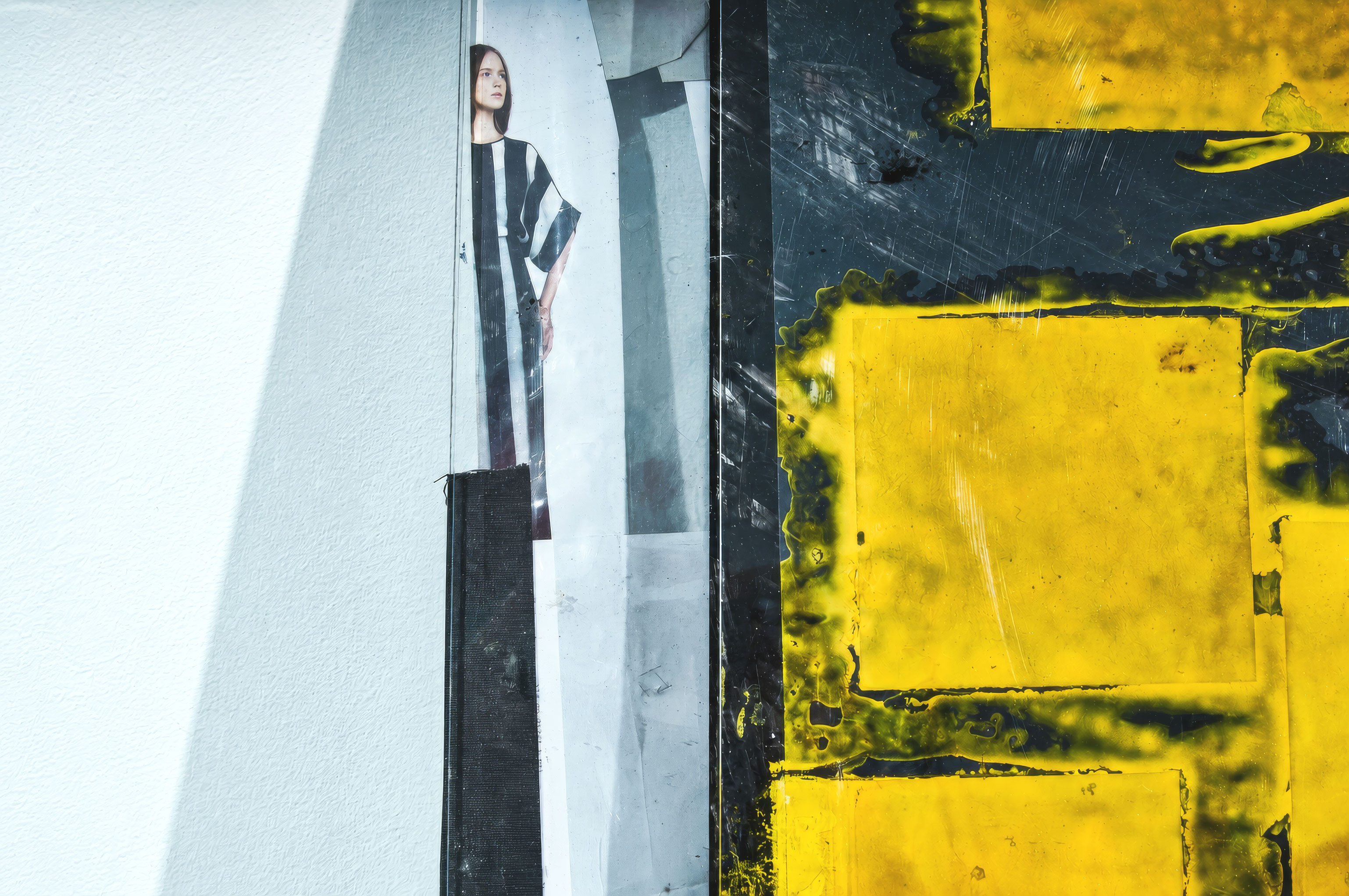
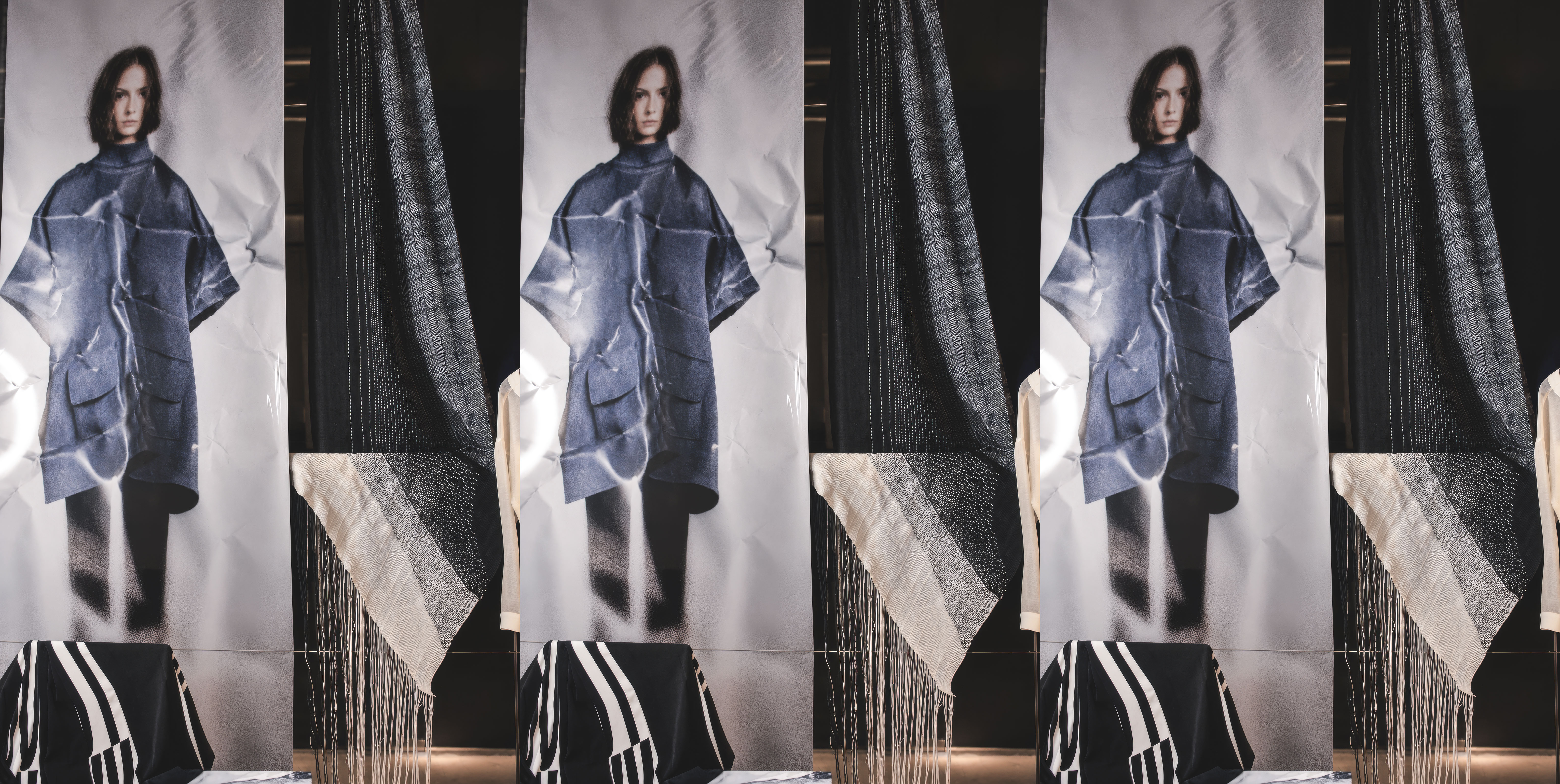
Dystopian irony / Progressive revelation | Discoveries from “Working Frameworks” become the basis for a futuristic distribution system devised by Sol Axiom (The Pioneers) and King Rivers (The Actor). Elia Root (The Muse) demonstrates the resulting objects as paintings enter affluent homes as dysfunctional walls, throw blankets, bowls, and tapestries. Art circulates as domestic luxury, acquiring new functions without necessarily performing them.
(ACt 1)

Sol imagines a system that brings paintings into everyday life. King develops its digital infrastructure, organizing images, descriptions, and orders. Elia appears in demonstrations of the proposed objects, moving through immaculate rooms where each surface carries a trace of Sol’s work. Affluent homes become sites for an expanding collection.
(Plot Point 1)
The first objects arrive. Elia stands behind a wall that fails to divide, draws a blanket around herself that provides little warmth, and places something in a bowl that cannot hold it. King checks the specifications. Each object matches its description.
(Act 2)
The objects multiply across luxurious interiors. Sol adjusts compositions to fit new surfaces while King refines the language accompanying them. Elia repeats the demonstrations with increasing ease, learning how to hold, arrange, and inhabit things that resist use. Their practical failures become desirable features. Painting, furniture, architecture, and decoration become increasingly difficult to distinguish.
(Plot Point 2)
Sol proposes correcting one of the objects. King shows him the orders: the original version is selling. Elia continues using it exactly as demonstrated. Its value now depends on the language, imagery, and relationships surrounding it, and a correction would change what people believe they are acquiring.
(Act 3)
The distribution system expands. Sol supplies another image. King publishes another description. Elia settles into a room arranged around the promise of comfort. Paintings occupy homes as objects of comfort, status, and utility without providing any of them. Everything finds its place. Nothing works quite as intended.