(Agile Cinema®)
Acting is living truthfully under imaginary circumstances – Sanford Meisner

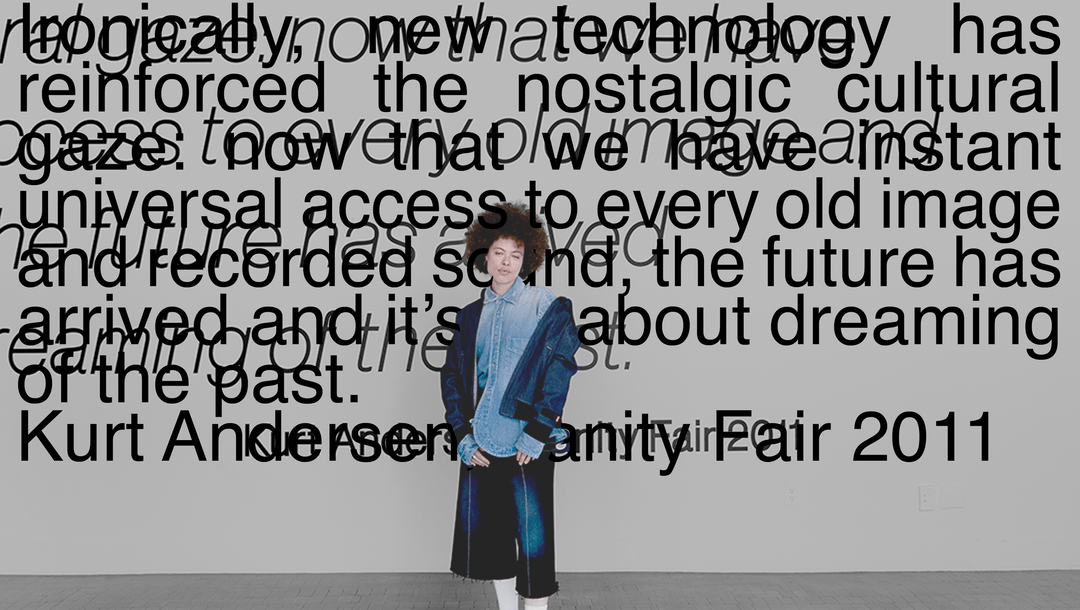
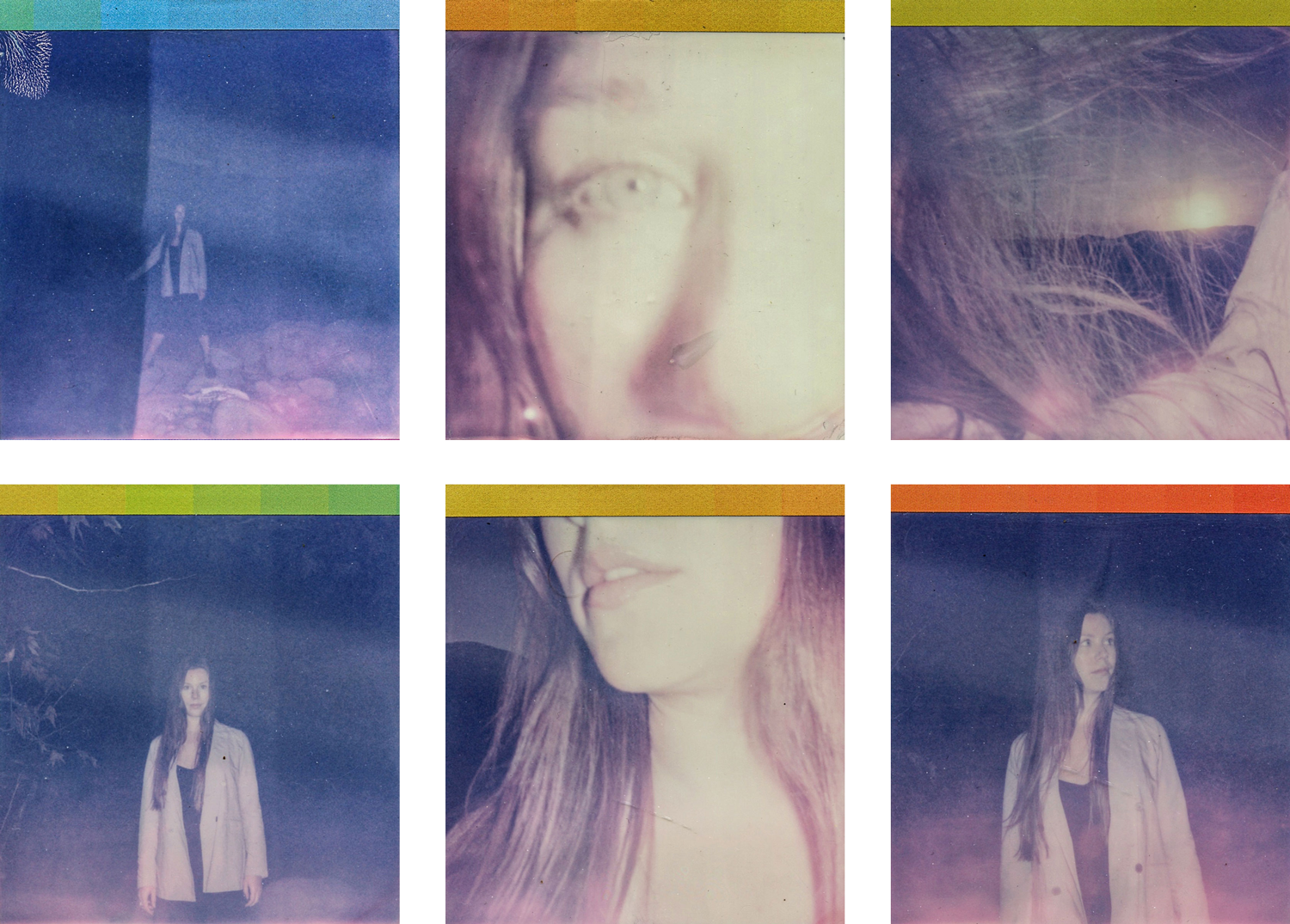
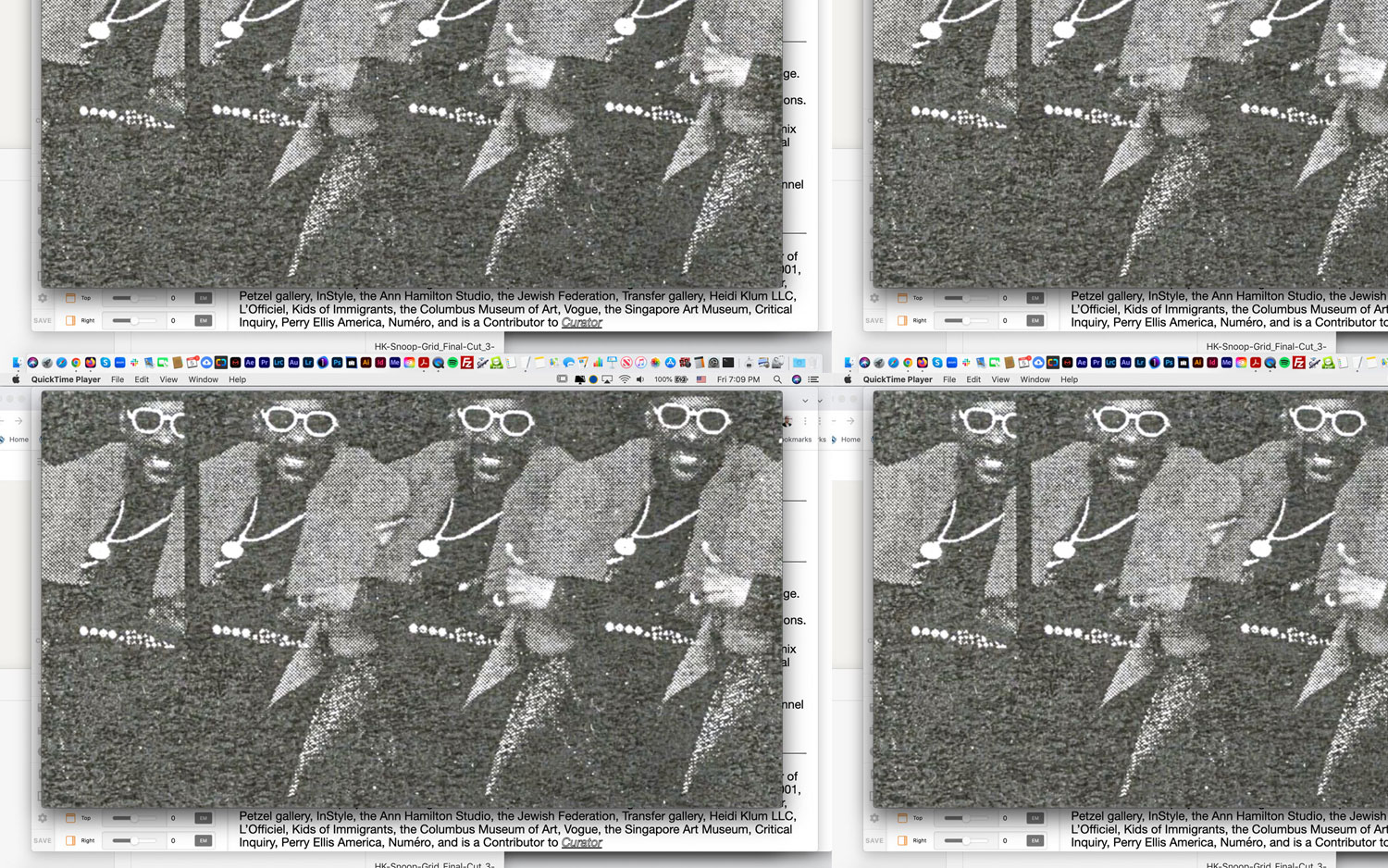
In the early years of MTV, experimental techniques associated with structuralist and avant-garde cinema entered the everyday language of popular culture. Repetition, split screens, discontinuous editing, and the isolation of bodily gestures displaced conventional narrative progression. The music video offered a peculiar opportunity: an audiovisual composition could be organized around the duration of a song rather than the demands of a story. Filming Grace Mahary for L'Officiel, I returned to these procedures through a series of changing outfits, divided frames, and repeated actions. The white backdrop eliminates much of the contextual information through which a scene is ordinarily understood. Grace's movements and changes of appearance become the primary means of establishing difference. Rather than illustrating a narrative, the film investigates how one might emerge from the recurrence and rearrangement of visual material.

Maripol's Los Angeles studio introduces a history of these transformations. Her involvement in the visual culture surrounding Madonna and downtown New York demonstrates how experimental artistic languages entered fashion, music, and commercial media during the 1980s. What began within relatively specialized cultural environments became familiar through mass circulation. This process cannot be understood simply as the appropriation of avant-garde techniques by commerce. It also changed the conditions under which those techniques could be recognized, reproduced, and developed. Charlie Le Mindu's hair styling introduces another form of material intelligence, one in which technical decisions concerning shape, texture, and the body contribute directly to the composition. The film moves between these histories and activities without establishing a hierarchy between artistic invention, specialized craft, and commercial production.

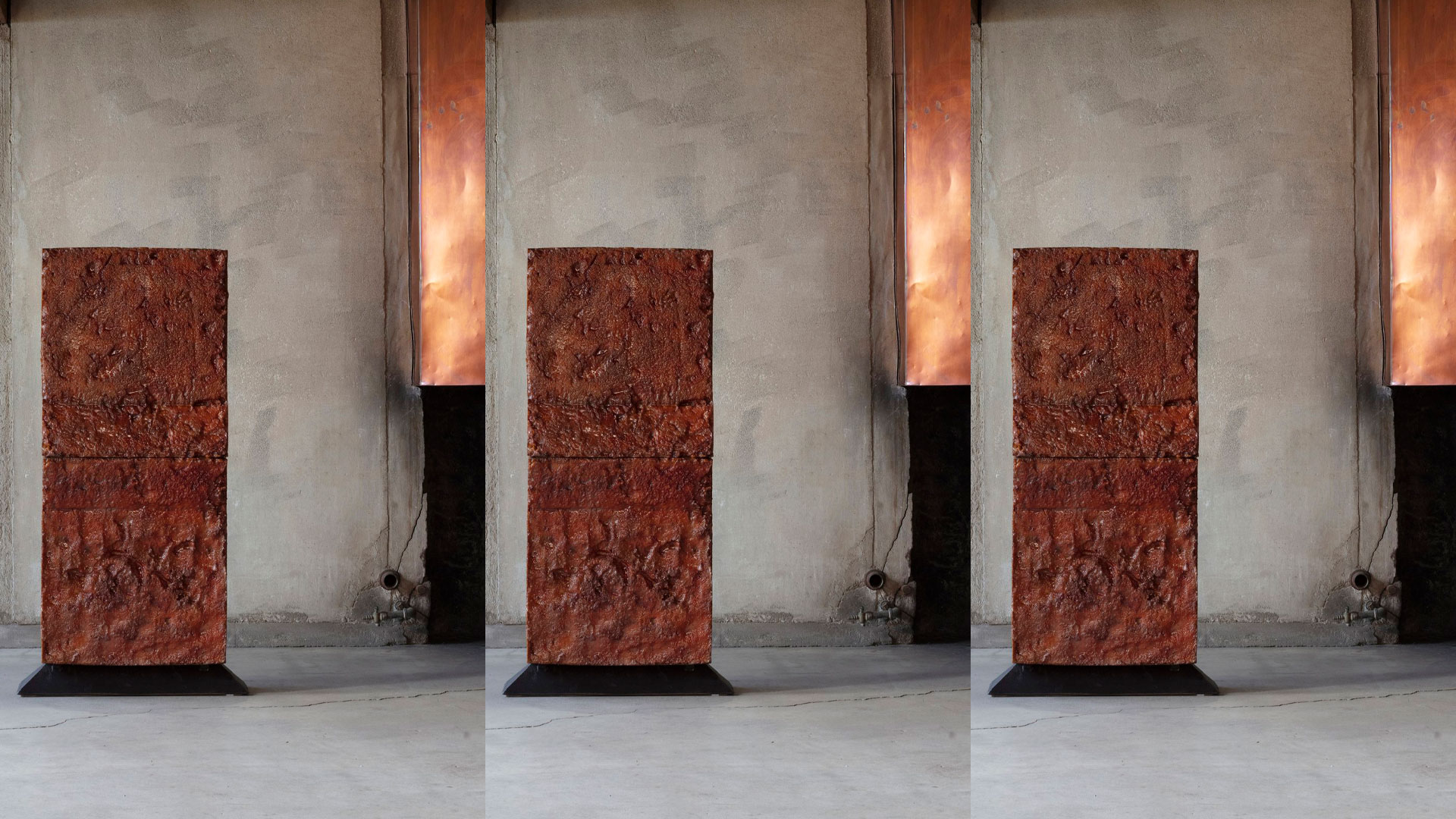
Painting offers a way to reconsider repetition without treating it as the reproduction of an original. Two marks made with the same brush, pigment, and movement will never occupy identical material conditions. Their relationship depends on differences in pressure, absorption, placement, and the marks surrounding them. A similar problem appears when Grace closes the book twice. The second gesture resembles the first, yet its position within the sequence changes what the action can signify. The apparent conclusion becomes provisional. Split screens and digital editing extend this investigation by allowing separate moments to coexist, introducing compositional relationships unavailable to the original performance. Contemporary fashion films and social media have made such procedures commonplace, but familiarity does not exhaust their possibilities. Repetition can reinforce a convention or expose the differences concealed by it. The book closes. The composition continues.