(Agile Cinema®)
Acting is living truthfully under imaginary circumstances – Sanford Meisner

What constitutes knowledge when its outcomes cannot be determined in advance? Alternative education challenges the assumption that learning proceeds through the transmission of established information. Knowledge also emerges through experimentation, disagreement, and encounters whose consequences cannot be anticipated. The distinction between teaching and learning becomes less stable when everyone involved can alter the terms of the exchange.

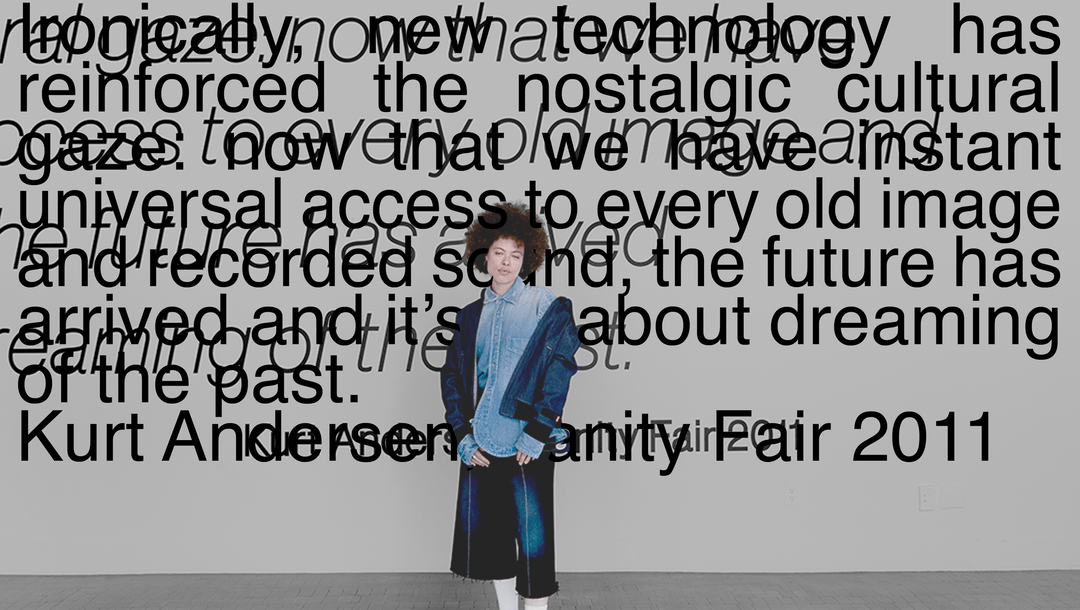
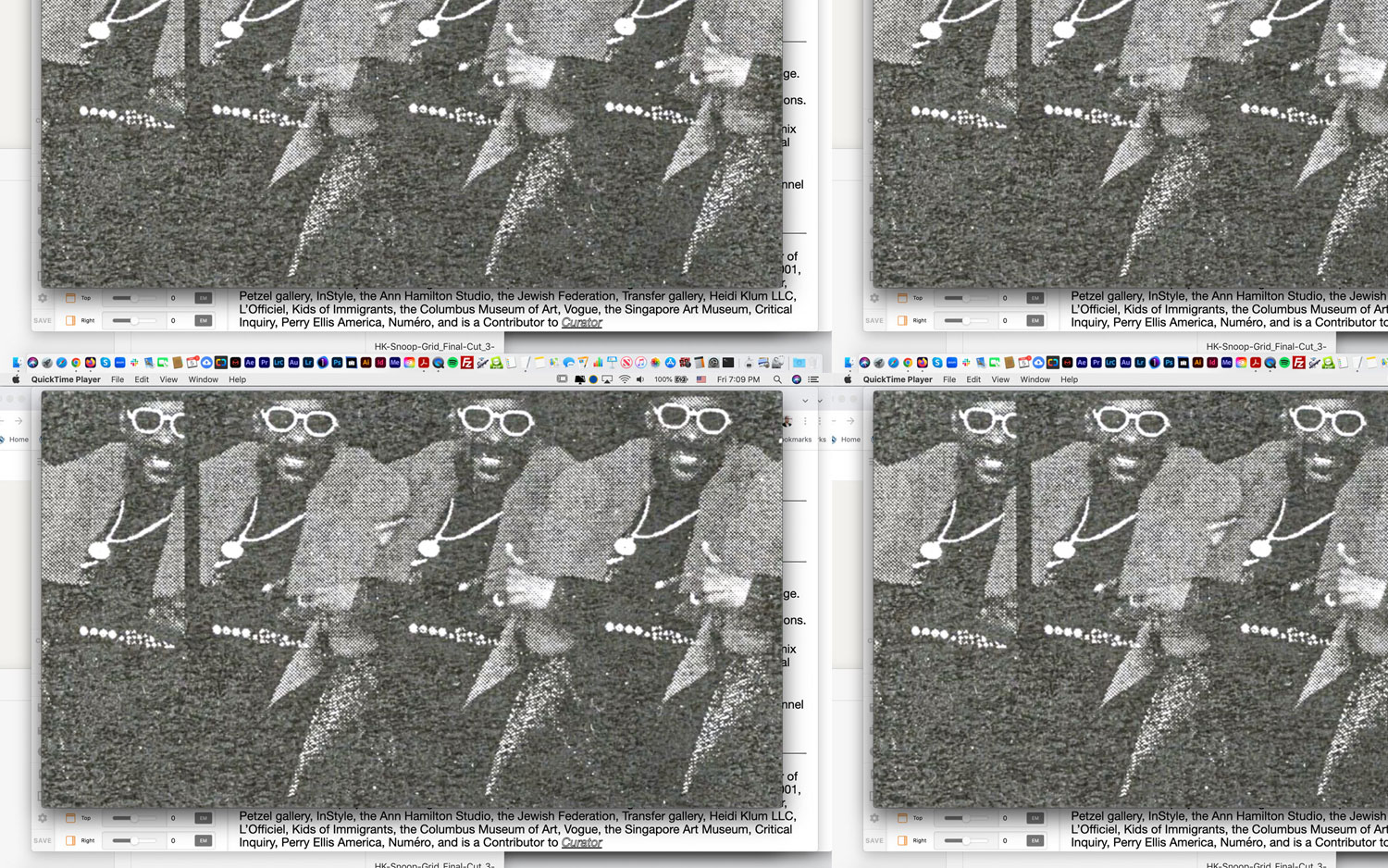
Filmed at Marian Goodman Gallery and in a SoHo park, Alternative Education brings conversations with Alena Marchak, Andrew Bencsko, and Nato Thompson into a single cinematic composition. The participants discuss exhibitions, publications, artistic communities, and alternative approaches to learning. Split screens and dissolves allow separate conversations to coexist, while the gallery's architecture and the park's shifting light establish different conditions for their exchange.

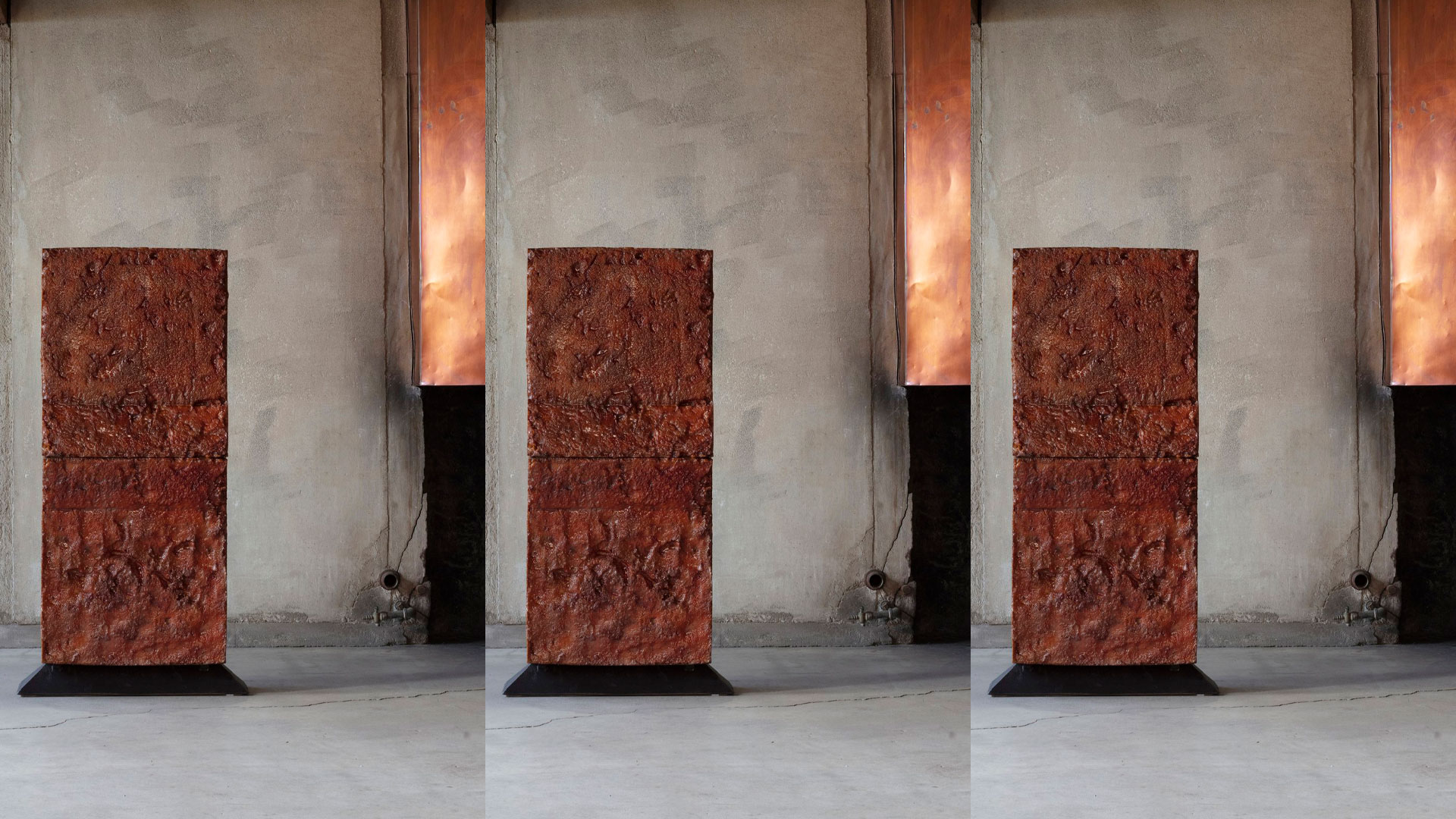
The film introduces a problem of authorship and knowledge. The participants provide the conversations, the camera records their appearances, and the editing constructs relationships none of them could have anticipated. Painting presents a related problem: decisions concerning material, scale, color, and spatial organization produce consequences that cannot be entirely predicted. Neither the meaning of a painting nor the knowledge generated through an encounter is fully determined by its origin. Both remain open to subsequent interpretation and transformation.