(Agile Cinema®)
Acting is living truthfully under imaginary circumstances – Sanford Meisner

What happens when an artist is expected to provide a story before the art can be encountered? Contemporary cultural institutions, publications, and digital media increasingly organize artistic production through narratives of identity, intention, and social relevance. These accounts provide access to unfamiliar practices, but they can also establish expectations that precede the encounter with an artwork. Speaking with Tamar Clarke-Brown of Serpentine Galleries, I became interested in the relationship between the stories artists tell, the stories institutions circulate, and the experiences that remain outside either account. The conversation takes place between her London flat and the grand ballroom of the Los Angeles Athletic Club, two environments connected through an ordinary video conference.

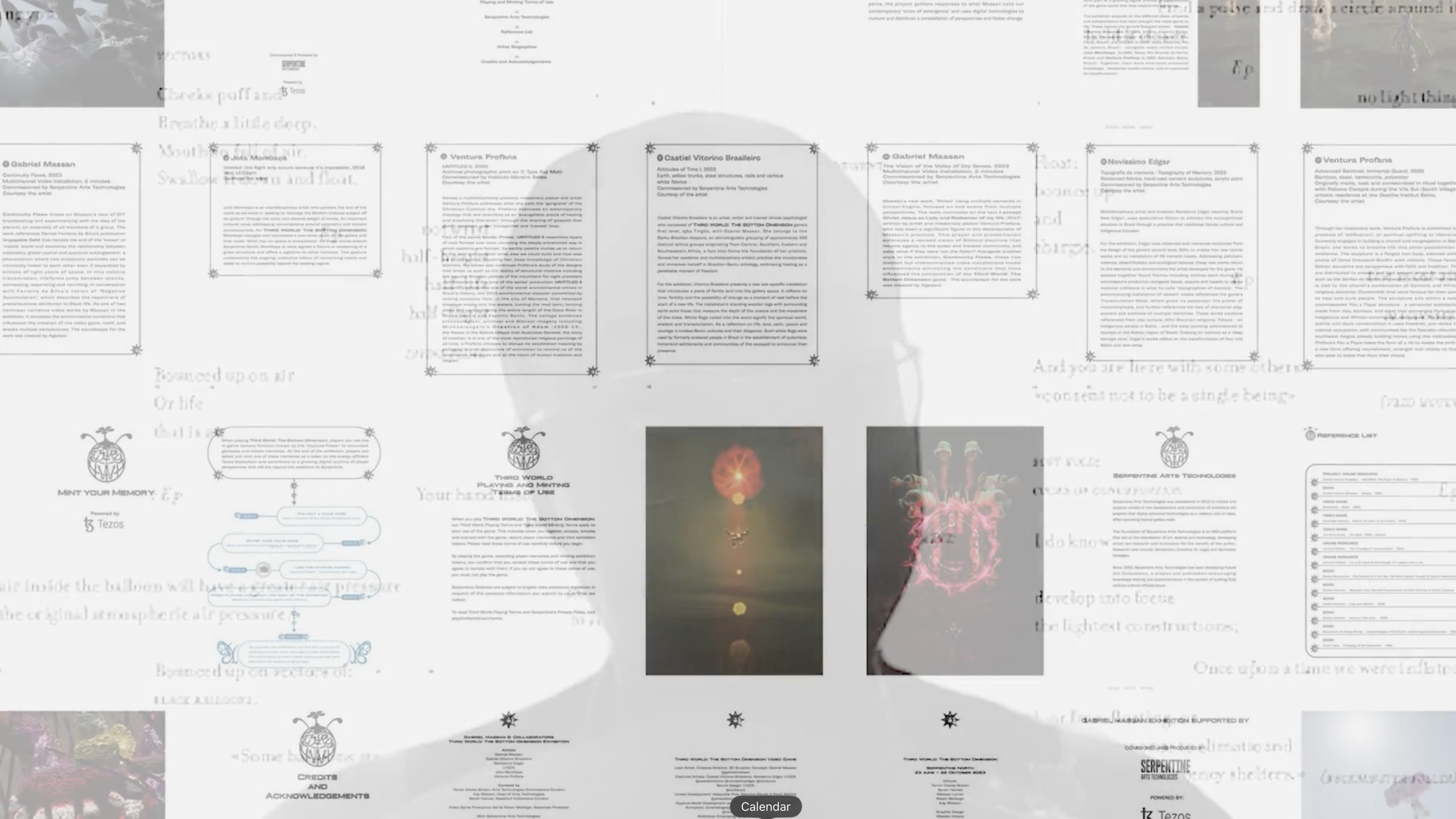
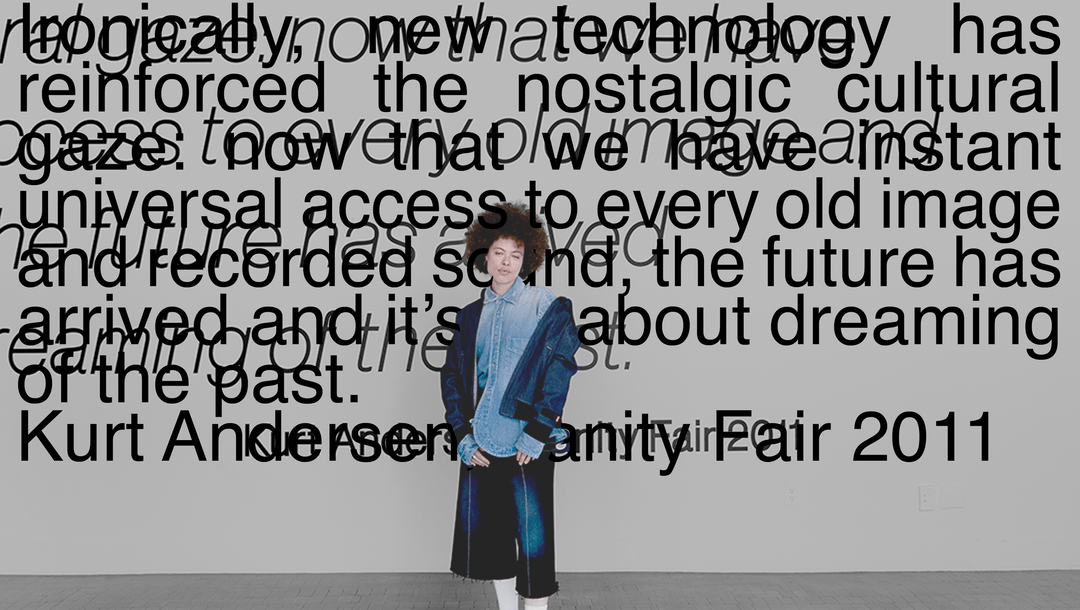
During the interview, Tamar and I preload and change her virtual backgrounds, introducing a poem and a game design grid into the space surrounding her image. The backgrounds are not simply illustrations of the conversation. They establish different visual conditions for receiving the same speaker, making the interface's role in constructing context unusually apparent. The poem introduces language as an independent visual presence, while the game design grid suggests a system in which choices and outcomes depend on established rules. The video conference permits these changes almost instantaneously. Neither participant moves, yet the conditions of the encounter are repeatedly reconstructed. What appears to be a transparent means of communication becomes an active component of the composition.
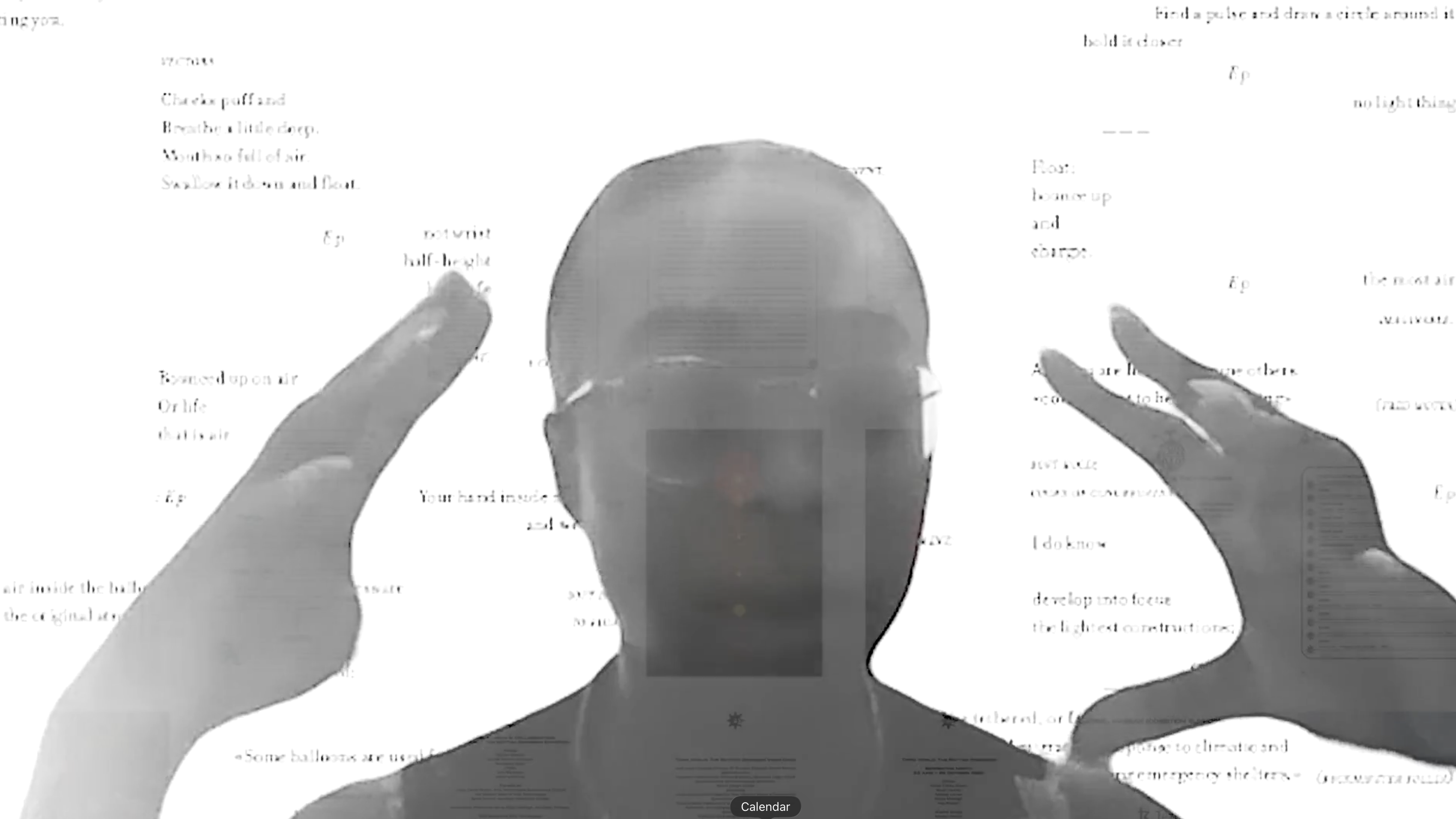
Painting faces a related pressure through the narratives that accompany its production, exhibition, and circulation. Biography, intention, historical context, and institutional interpretation can expand the possibilities of understanding a painting, but they can also restrict what is permitted to become meaningful. A painting's material organization does not necessarily confirm the story told about it, nor can its subsequent encounters be entirely anticipated by its maker. The film introduces this problem through a conversation whose visual circumstances are deliberately altered as it unfolds. Rather than treating narrative as something imposed upon an otherwise autonomous object, it considers how stories participate in establishing the conditions under which art becomes visible, recognizable, and valuable. The question is not whether painting can exist without narrative, but how much of its existence any particular narrative can claim.