(Agile Cinema®)
Acting is living truthfully under imaginary circumstances – Sanford Meisner

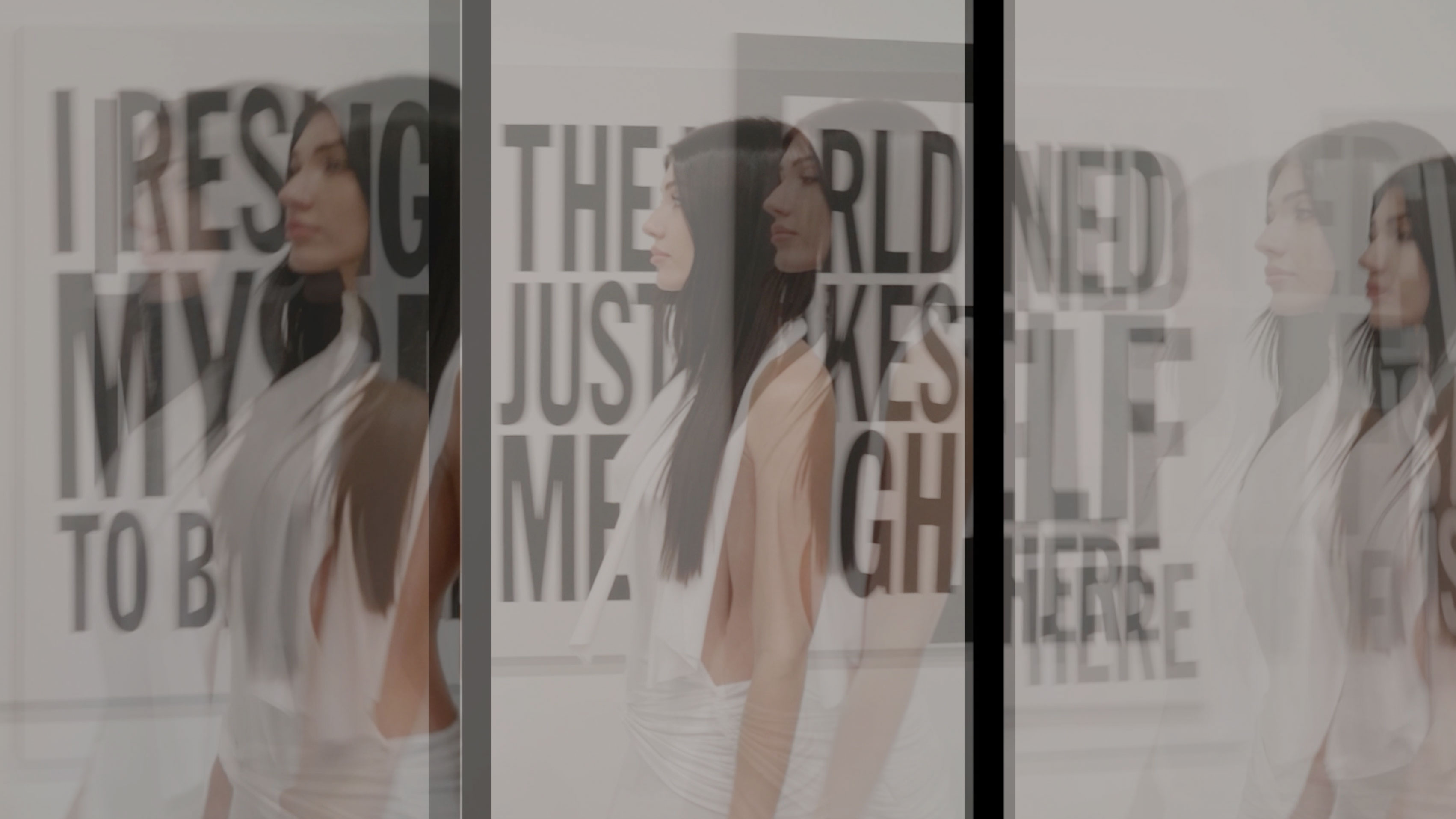
What happens to language when it becomes painting? At the Marciano Art Foundation's JOHN GIORNO: NO NOSTALGIA exhibition, words occupy painted surfaces as arrangements of color, scale, and space. Giorno's paintings resist the separation of reading from looking, bringing poetry into direct contact with the material and perceptual conditions of painting. Language becomes something to encounter physically, even as its meanings remain subject to interpretation and change.
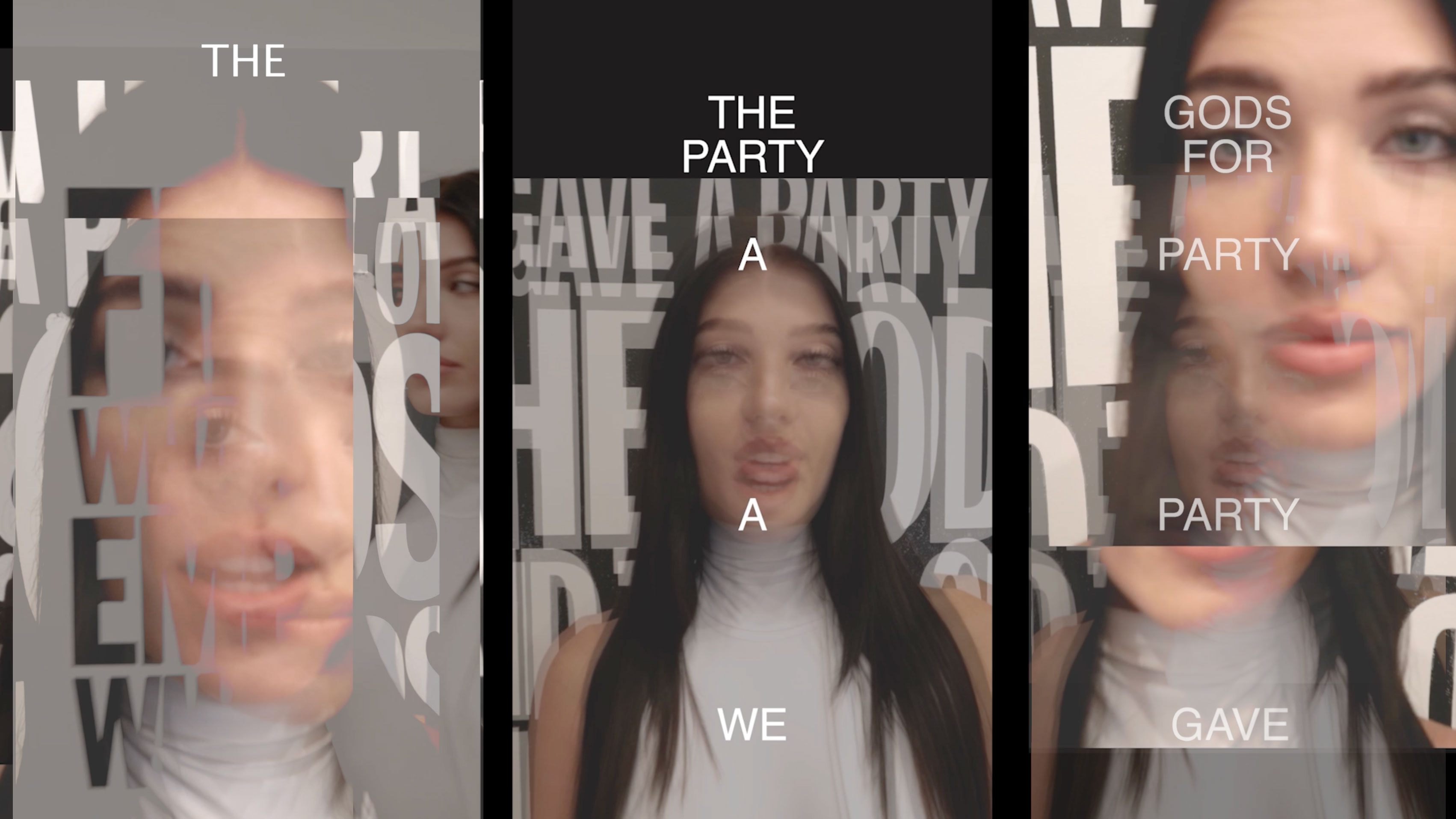
Drawing on conversations with Giorno Poetry Systems Art Director Anthony Huberman and exhibition curators Carlos Valladares and Hanneke Skerath, the film considers painting as a site of performance and public exchange. Huberman's description of Giorno's paintings as venues for language introduces a relationship between the fixed material object and the unpredictable events it permits. The curators' reflections on feeling and spirit in exhibition-making extend this inquiry into the relationships between artworks, institutions, and their audiences.

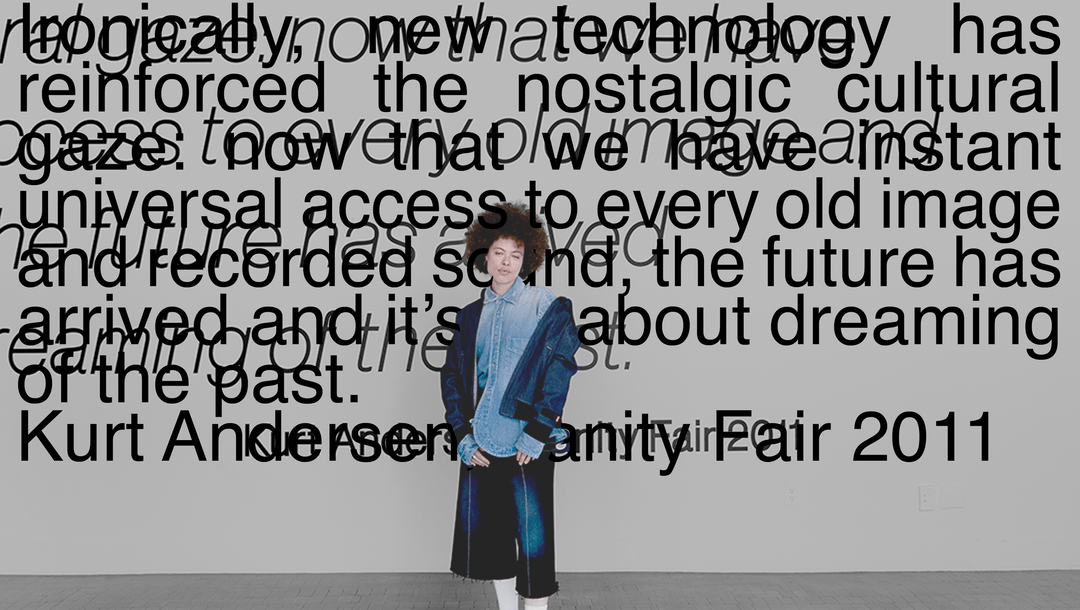
Featuring Alina Enero, No Nostalgia stages Giorno's poems before the paintings from which they originate. Through repetition, phasing, layered recordings, and delay, the written words acquire new durations and spatial relationships. A single performer becomes multiple figures; a painted phrase becomes a succession of spoken events. Montage introduces differences that neither the original text nor its performance contains independently. Painting remains the material point of departure, while its language enters the everyday systems through which images, voices, and messages circulate.