(Agile Cinema®)
Acting is living truthfully under imaginary circumstances – Sanford Meisner
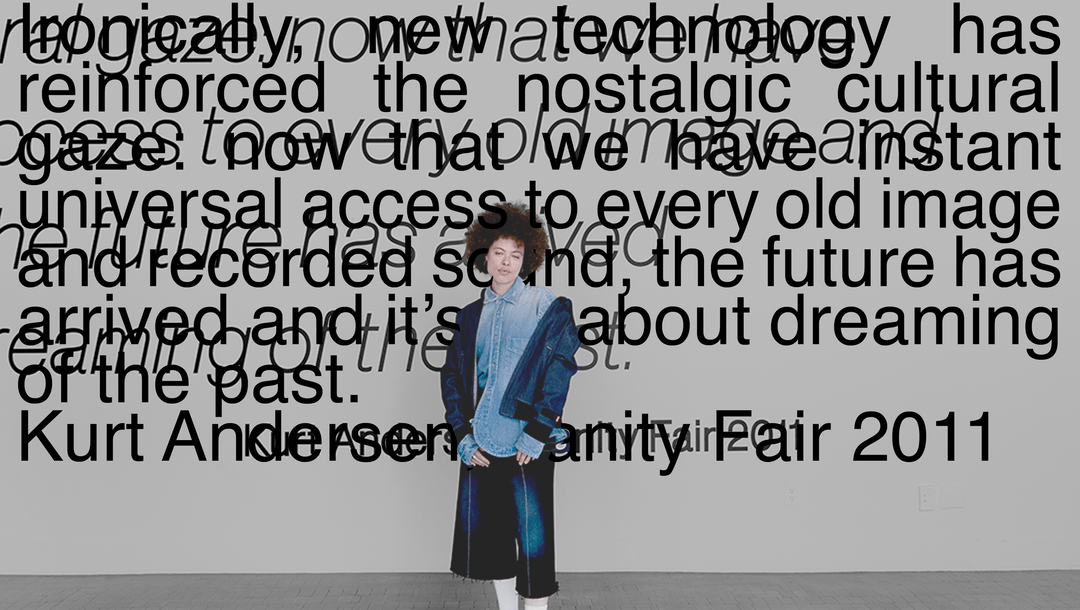
Nostalgia is often understood as a longing for something personally remembered. Yet much of what we recognize as the past reaches us through images, recordings, clothing, and stories that precede our own experience. The internet intensifies this condition, making different historical moments simultaneously available while obscuring the circumstances of their production. Obsessed: Fashion and Nostalgia in the '90s at the ASU FIDM Museum provided an occasion to consider how cultural memory is constructed through repetition, appropriation, and the circulation of images. A decade becomes recognizable through a limited repertoire of signs, even to those who never experienced it.
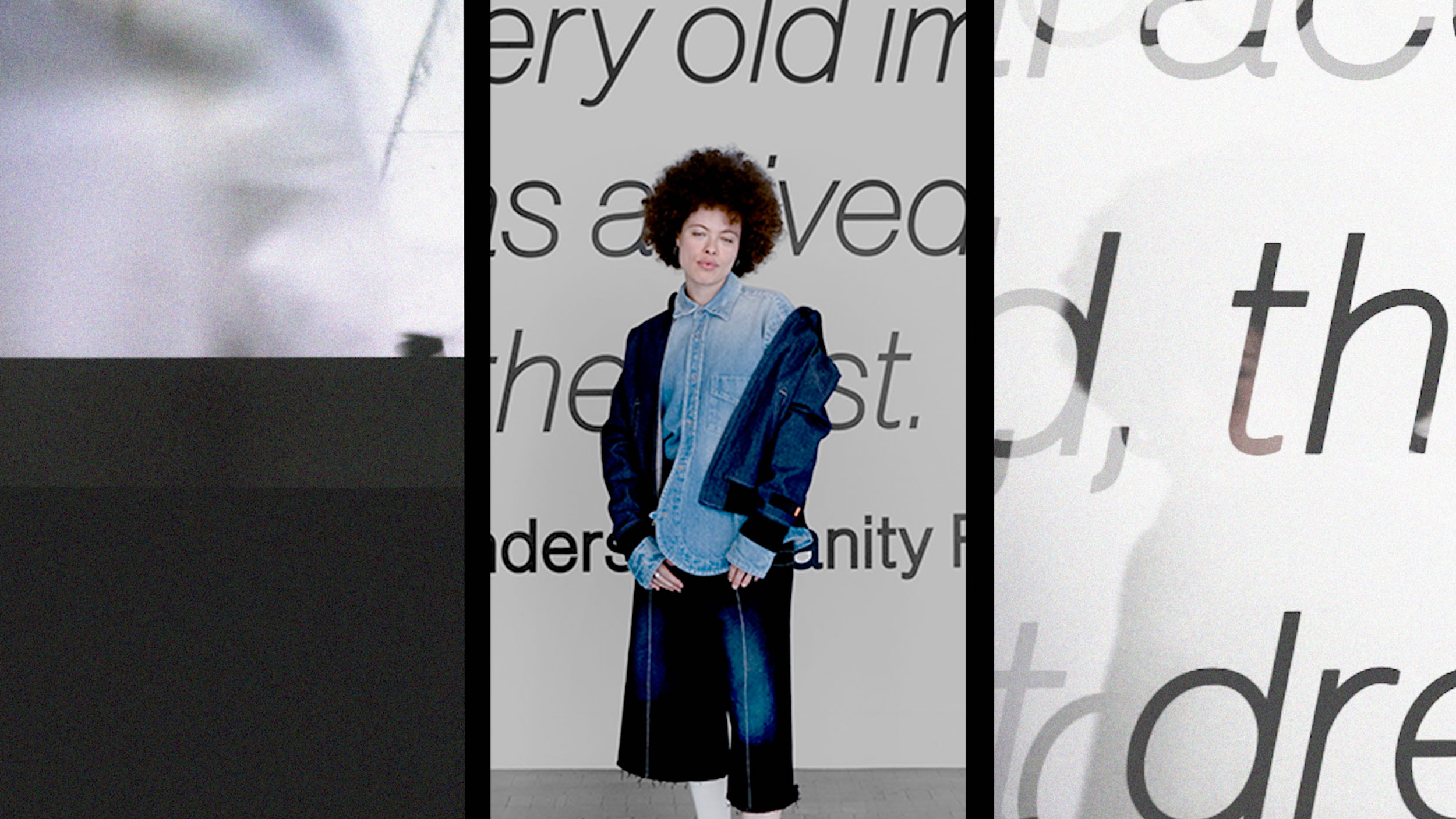
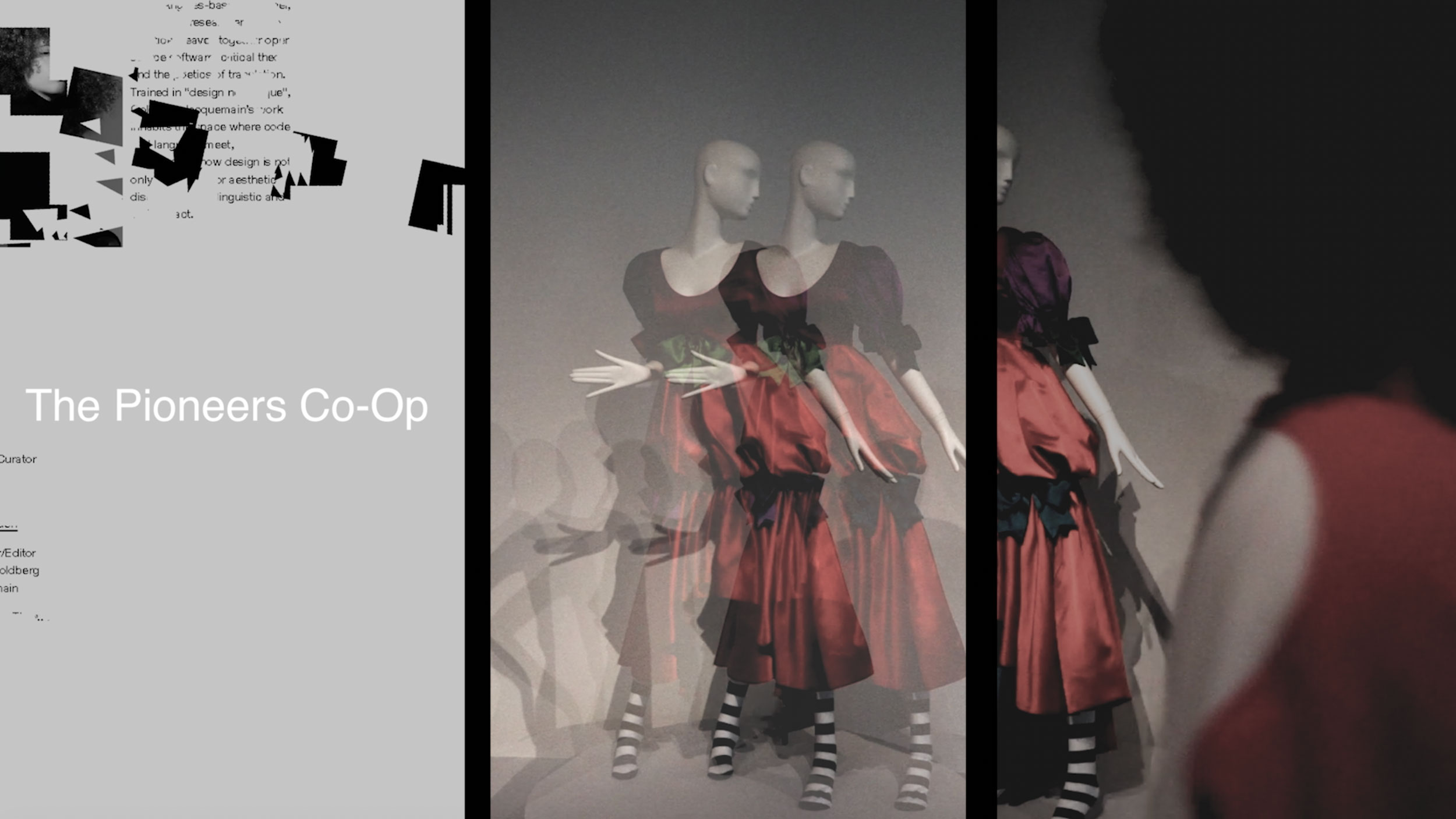
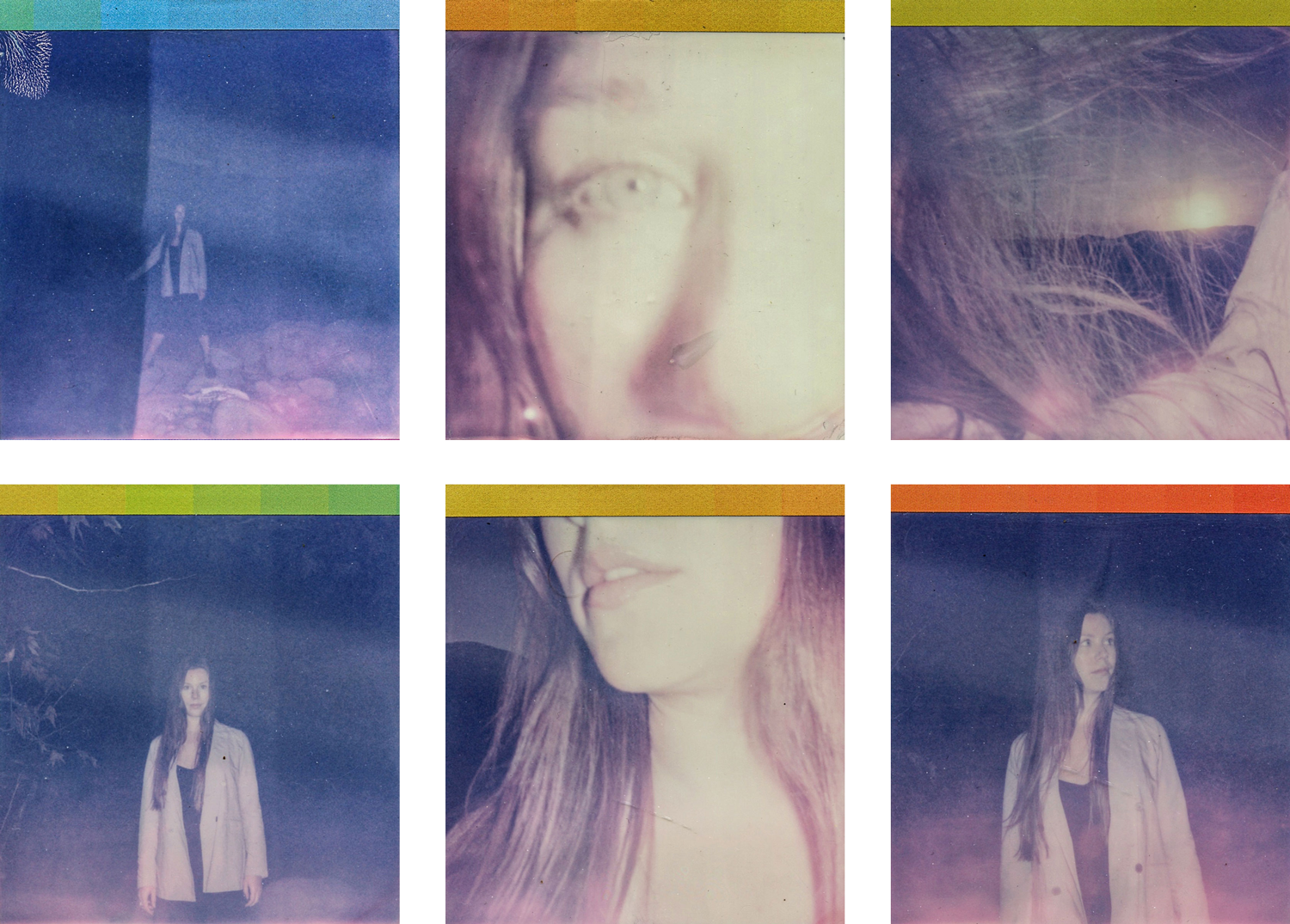
The film emerged through The Pioneers Co-Op and an exchange of material between artists, designers, and writers. Adam Katz's dream poetry, developed through Vera Maurina Press, introduced memories and imagined situations that could not be assigned a stable origin. Danita Nuchsawat Appelbaum contributed croquis and fashion illustrations, Clinton Hughes of The Oddinary Studios styled the micro-film, and Elodie Goldberg Jacquemain developed its visual structure and appears onscreen. Christina Frank also participated in the project, with support from Dennita Sewell and Kim Askew Kramer. The resulting composition draws from the exhibition, the Vera Maurina Press archive, and newly produced images, allowing distinct authorships and historical references to coexist without resolving into a single narrative.
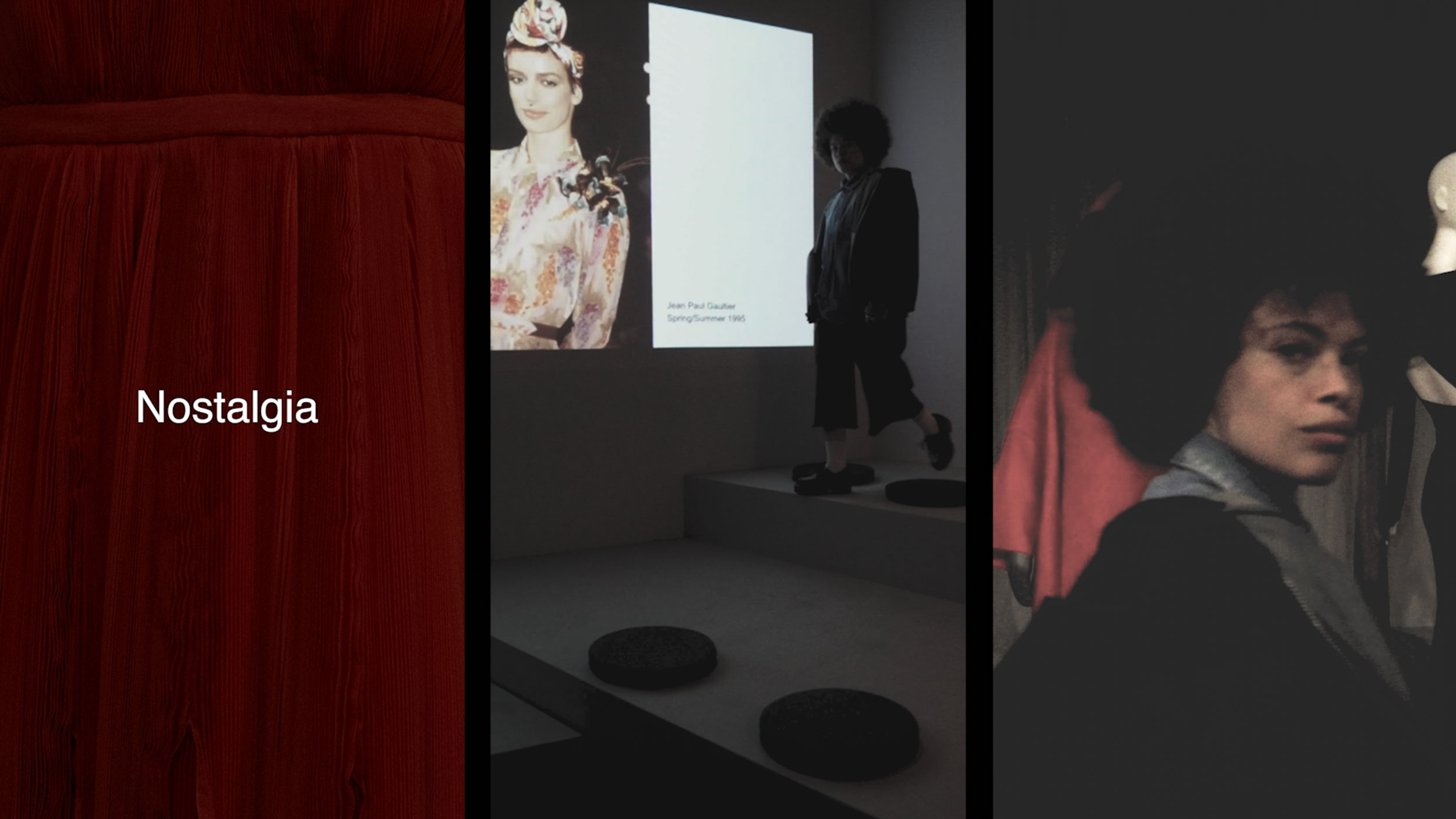
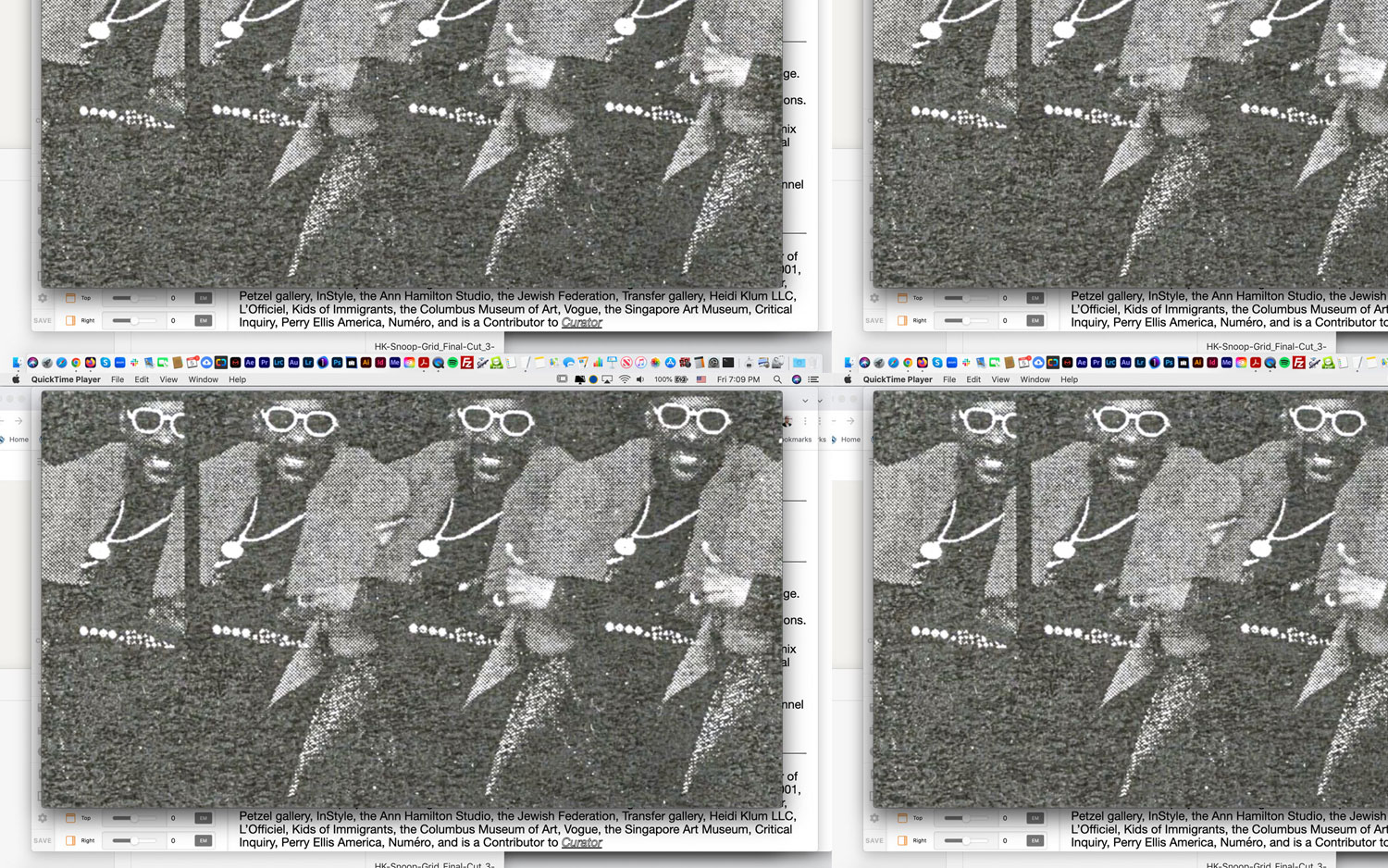
Painting provides a material precedent for this process. Its surface permits images, gestures, and references from different moments to occupy the same space without preserving their original chronology. A borrowed image need not retain its previous meaning, while a newly invented form may appear strangely familiar. Through split screens, digital layering, and stop-motion fragmentation, Obsessed extends these conditions into film. The composition does not reconstruct the 1990s or attempt to recover an authentic past. It investigates how arrangements of existing material can produce the sensation of memory, including memories of things that never happened.