(Agile Cinema®)
Acting is living truthfully under imaginary circumstances – Sanford Meisner
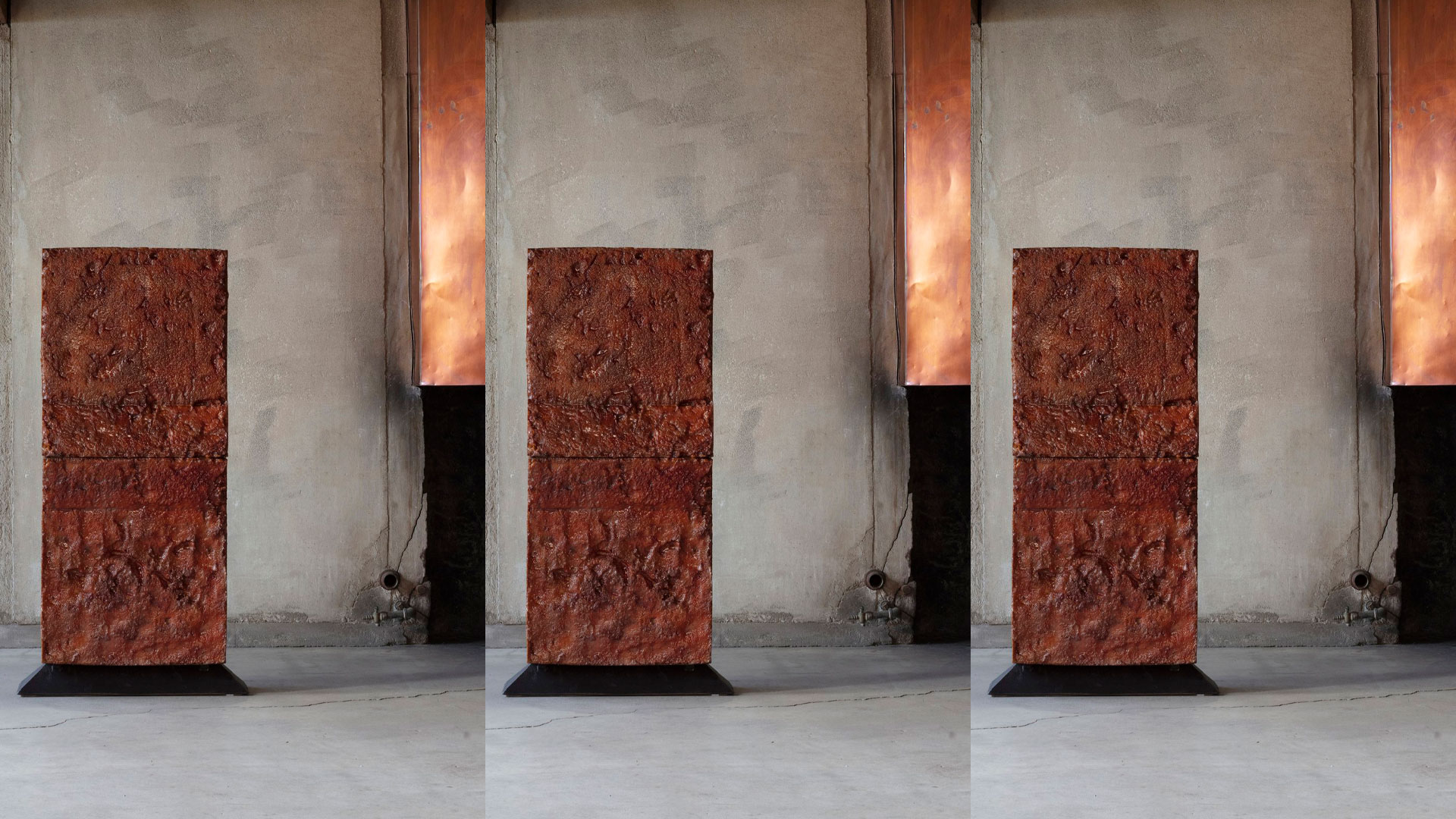
I went to see James Little in Brooklyn expecting to continue a conversation about spirituality and art. Instead, I found myself considering the distinction between nature and artifice, and whether that distinction remains meaningful in painting. Little described abstraction as a kind of public service, capable of stabilizing perception rather than simply expressing individual experience. His paintings are constructed through exacting relationships between pigment, resin, wax, color, and surface. Their material conditions are neither natural nor artificial in any uncomplicated sense. They emerge from processes in which physical properties, accumulated knowledge, and deliberate decisions become inseparable.

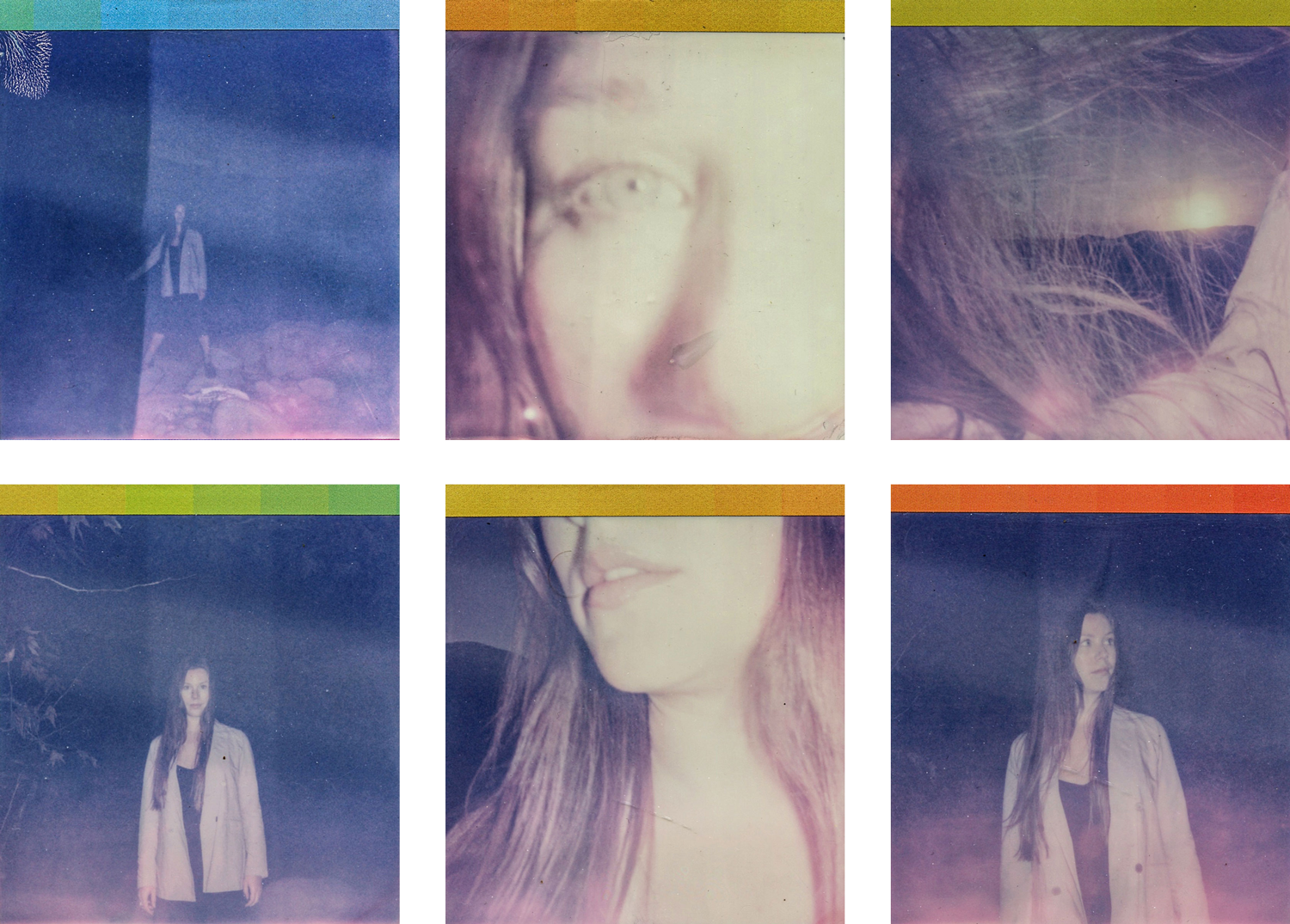
Cut to Janina Picard in Ojai. The dry air, vegetation, and changing light establish another set of material conditions. She performs a sequence of gestures informed by bodily training, including the disciplined movements of taekwondo. A leaf is selected, torn, and brought to her nose. These actions require no verbal explanation, yet they are neither spontaneous nor entirely instinctive. Like painting, they involve relationships between learned technique, sensory experience, and the resistance of materials. The camera records what happens without assuming that the recording can account for everything taking place.

Somewhere between Brooklyn and Ojai, I began questioning my own impulse to translate these experiences into a coherent argument. Painting produces relationships that can be examined through language but cannot be reduced to it. A gesture may be described without accounting for the knowledge involved in performing it. The film brings Little's paintings and Picard's movements into relation without claiming that one explains the other. Their differences remain intact. Perhaps the more consequential question is not whether nature and artifice can be reconciled, but why we continue to require that distinction in order to understand what we make.