(Agile Cinema®)
Acting is living truthfully under imaginary circumstances – Sanford Meisner

An encounter with Joseph Beuys at The Broad complicated my understanding of an artist whose mythology has become almost inseparable from his objects. Felt, fat, personal transformation, and the reconstruction of postwar Germany provide a familiar framework for interpreting his practice. Yet moving through In Defense of Nature, I was struck by something less frequently emphasized in American presentations of Beuys: his humor. Alongside the gravity of historical trauma and ecological responsibility, there was an unmistakable capacity for irony, absurdity, and play. These qualities recall Dada's refusal to separate artistic seriousness from the instability of established meanings. They also complicate the authority of Beuys's own mythology, suggesting that his objects need not remain confined to the narratives through which they have become recognizable.

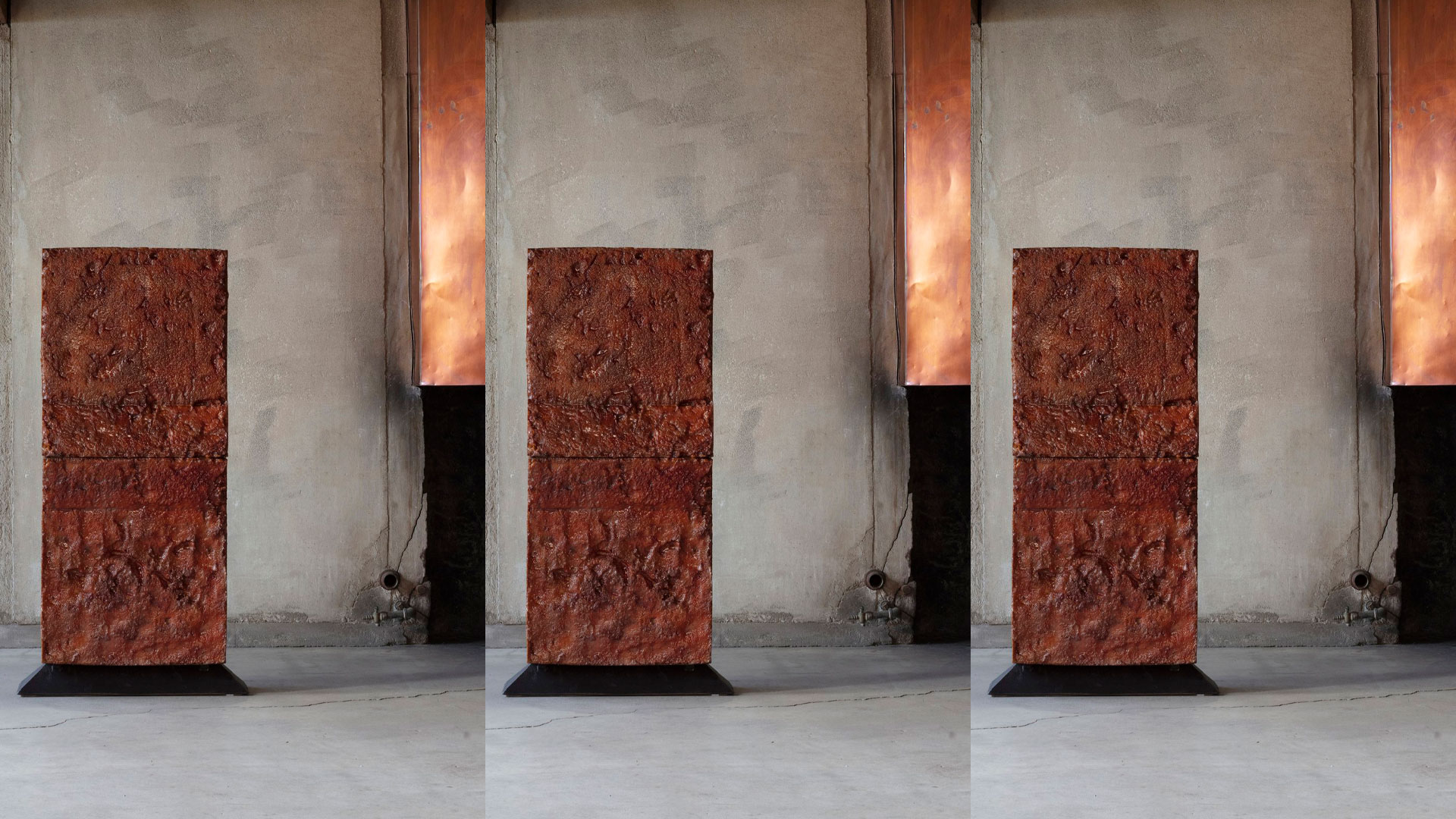
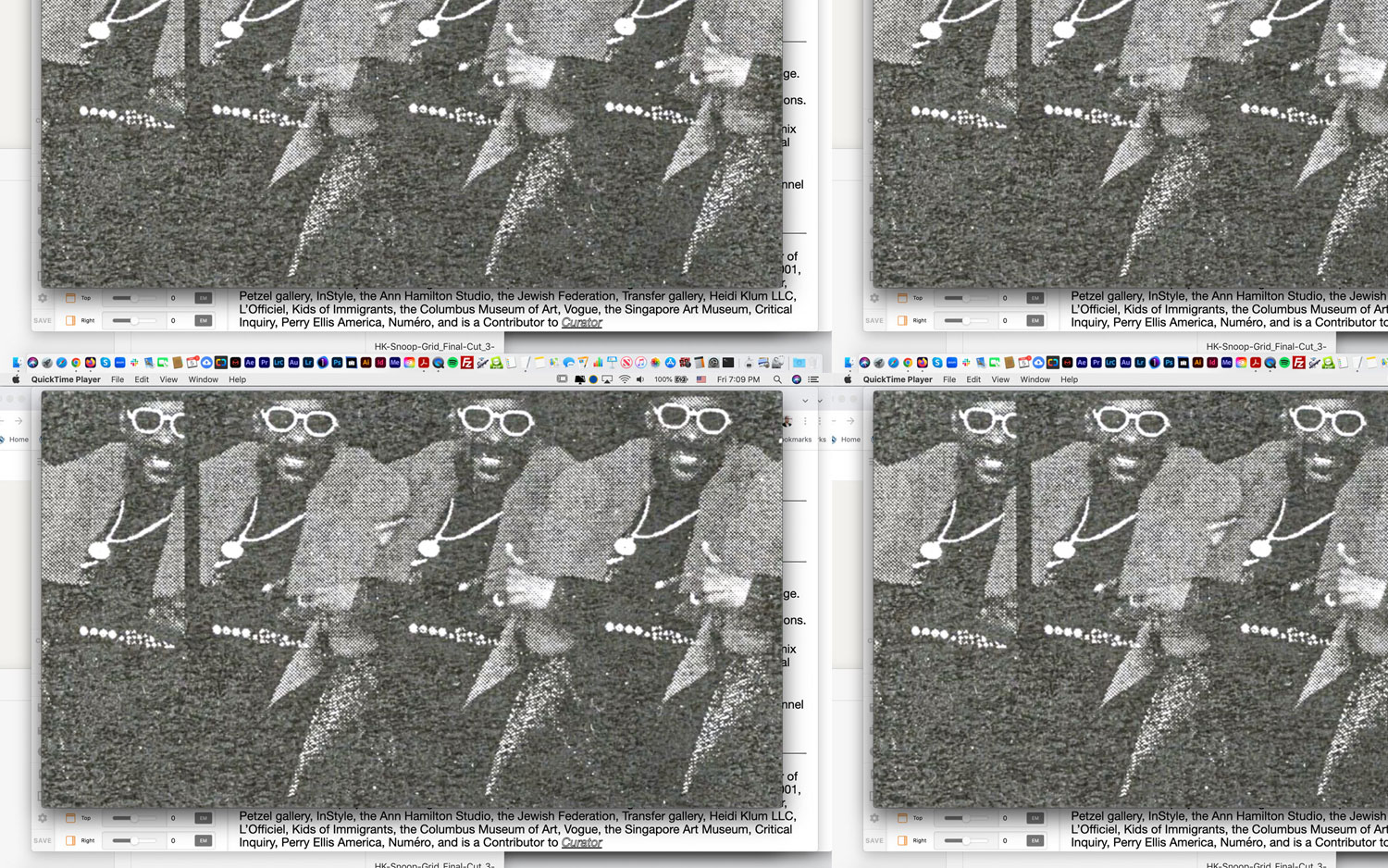
Mike Kash and I filmed the exhibition in split screen, placing its carefully organized presentation beside ordinary events in Elysian Park. A bird moves between branches and flies away. A child plants a tree with the help of adults. The images were recorded independently and brought together through editing, establishing a relationship that did not exist at either location. Beuys's concept of social sculpture provides one framework for considering this arrangement, particularly his insistence that artistic activity can extend into collective life and the transformation of society. Yet the film also introduces a distinction between an artistic proposition and an action undertaken without reference to art. The child planting a tree is not necessarily performing a Beuysian gesture. The relationship is established by the composition, and its significance remains open to interpretation.

Painting enters this investigation through the difference between material representation and material consequence. A painting may depict an ecological crisis, incorporate organic substances, or circulate among people whose subsequent decisions affect the world beyond it. These are distinct forms of activity, and none guarantees the others. Beuys challenged the conventional boundaries of artistic production, but his expanded conception of art also raises questions about what remains particular to painting as a physical and perceptual experience. The film does not resolve these questions by treating the museum and the park as equivalent spaces. Instead, it holds them apart within a shared frame. Artistic intention, natural processes, and human intervention proceed according to different conditions, while their simultaneous presentation makes new relationships available for consideration. The tree continues growing after the camera stops recording. The painting remains where it is, subject to other forms of duration, attention, and change.