(Agile Cinema®)
Acting is living truthfully under imaginary circumstances – Sanford Meisner
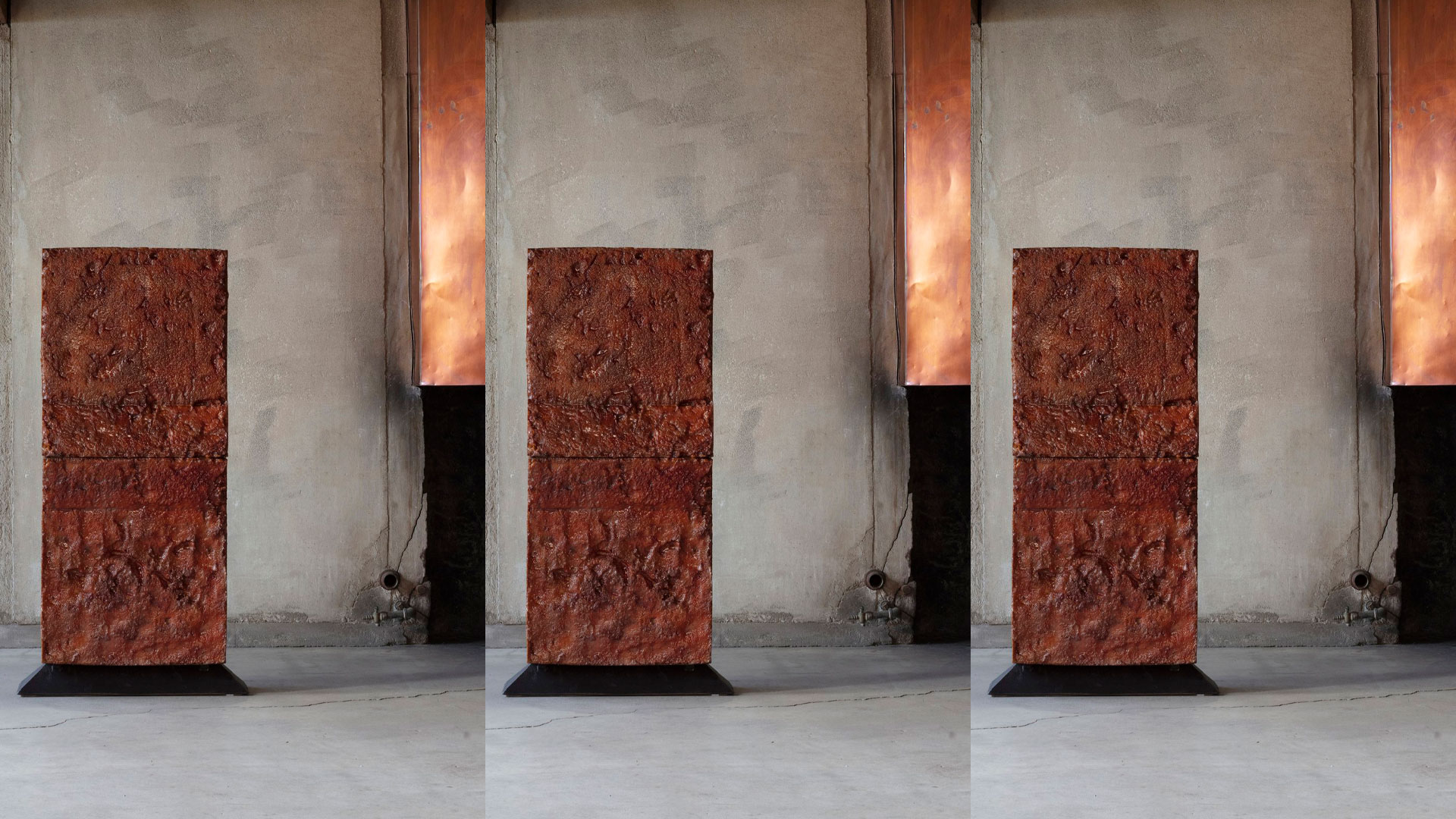
What determines the value of a material before it becomes art? Helmut Lang's sculptures at the MAK Center occupy the carefully articulated spaces of the Schindler House, where architectural proportion, natural light, and institutional presentation establish particular conditions of attention. Lang's movement from fashion into sculpture introduces questions about the histories materials carry between different economies of production and display. I set these interiors against images from The Pioneers Co-Op Archive, particularly the 999 Dollar Store project and the commercial vernacular of South Los Angeles. Storefront graphics, improvised displays, and inexpensive materials operate according to different expectations of usefulness, visibility, and exchange. Their aesthetic decisions are no less deliberate for having emerged outside the conventions of the gallery.

The film proceeds through a series of hyper-edits, abruptly alternating between the density of commercial imagery and the measured spaces of the exhibition. As the sequence advances through the Schindler House, the editing slows. Sunlight moves across architectural surfaces, fabric shifts, and the sculptures remain almost motionless. The archive repeatedly interrupts these intervals, introducing another rhythm of looking. The distinction between the two environments is neither purely formal nor economic. Each organizes attention through its own relationships between materials, space, presentation, and anticipated audiences. The film brings these conditions into contact without attempting to reconcile their differences or establish a hierarchy between them.

Painting has long participated in these negotiations of value. Pigment, fabric, wood, and other ordinary materials acquire particular significance through their arrangement, authorship, provenance, and institutional recognition. Yet the distinction between an artistic decision and a commercial one cannot always be established through appearance alone. A storefront sign and an abstract painting may employ comparable relationships of color, scale, repetition, and spatial organization while circulating through radically different systems of exchange. By introducing the archive into Lang's exhibition, the film investigates how context influences what becomes visible as art, design, or commerce. The physical materials remain specific to their circumstances, but the categories through which they are understood become less secure. What remains behind is not an original meaning waiting to be recovered, but the accumulated conditions through which value has been assigned.